How the Early Soviet State Turned Chess Into a Tool
A look inside the origins of Soviet chess culture. These articles trace how early USSR institutions and political leaders transformed chess into a tool for education, discipline, and national development, setting the foundation for decades of dominance in world chess.
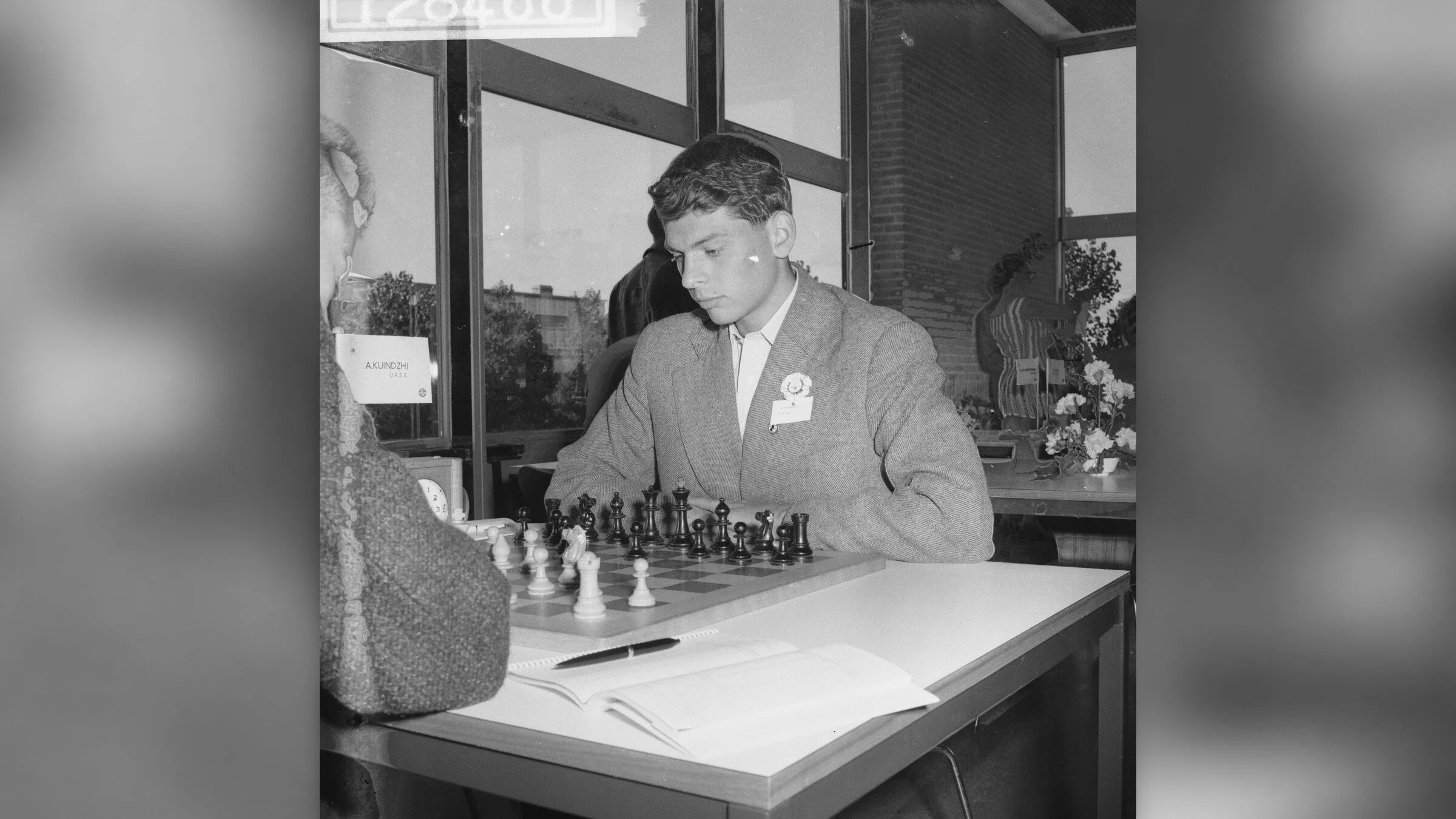
Alexander Kuindzhi
Alexander Kuindzhi won bronze at the 1961 World Junior Championship, defeating both Bruno Parma and Florin Gheorghiu. The Soviet master combined competitive chess with aviation work and earned another international bronze in the 65+ section of the 2014 European Senior Championship.

Alexander Zakharov
Alexander Zakharov competed in two USSR Championship finals and trained leading players in Rostov-on-Don, including Ekaterina Kovalevskaya. His career spanned international tournament victories, decades of teaching, and success in senior chess.
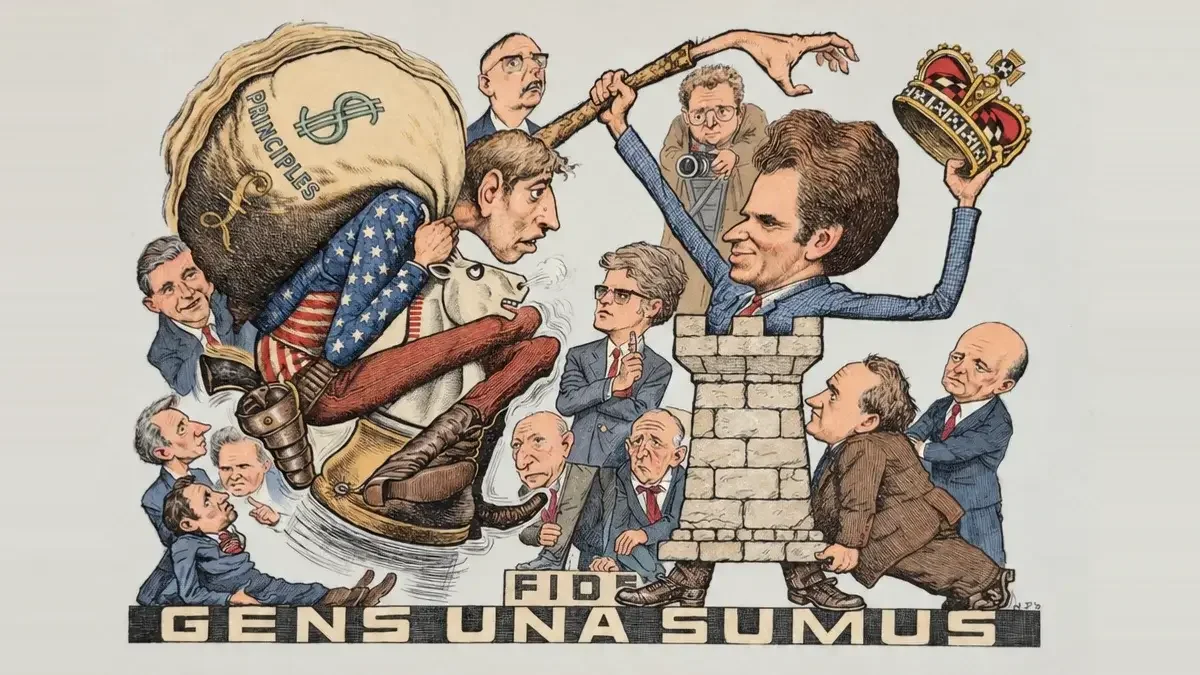
Spassky-Fischer, Reykjavik 1972 Caricature
Bobby Fischer, Boris Spassky, and the personalities surrounding the 1972 World Chess Championship appear in a caricature filled with chess symbolism.
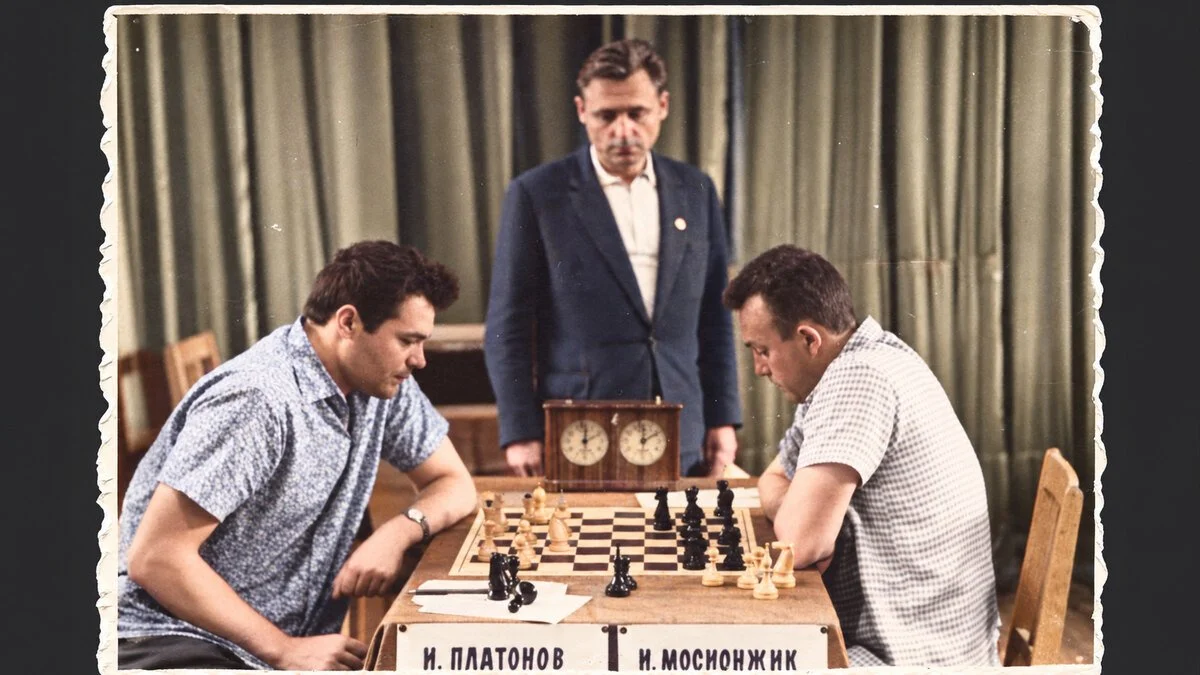
Igor Platonov
Igor Platonov reached five consecutive Soviet Championship finals and earned the title of USSR Grandmaster in 1969. This profile follows his tournament achievements, teaching, and contributions to Ukrainian chess, with a carefully sourced account of his murder in Kyiv in 1994.
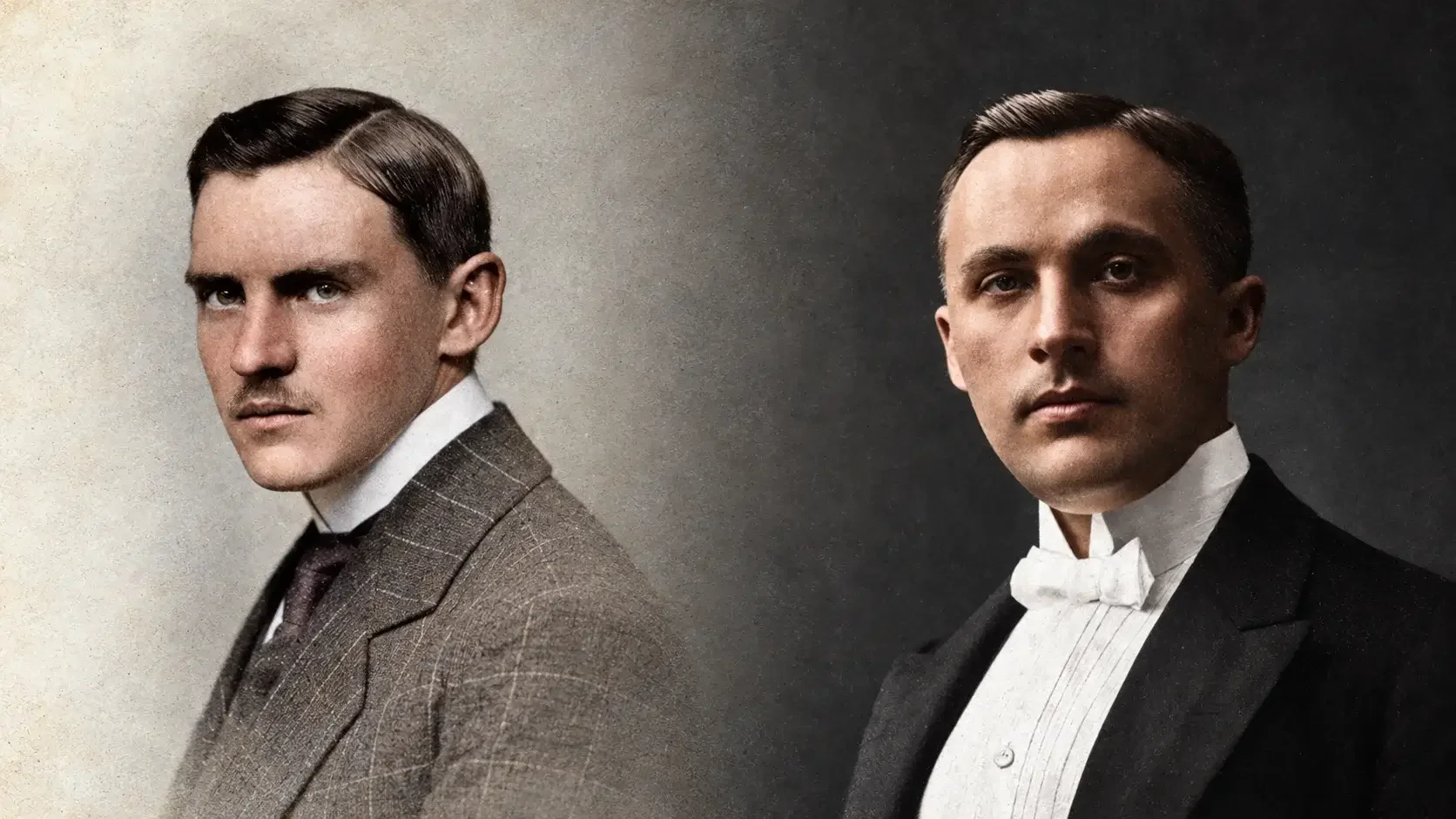
Alekhine and Bogoljubow in Germany 1914
After the Mannheim tournament was interrupted by the First World War in 1914, Alexander Alekhine and Efim Bogoljubow shared imprisonment in Rastatt and supervised residence in Baden-Baden. Contemporary reports and later recollections document their blindfold chess games, living conditions, and different paths out of internment.
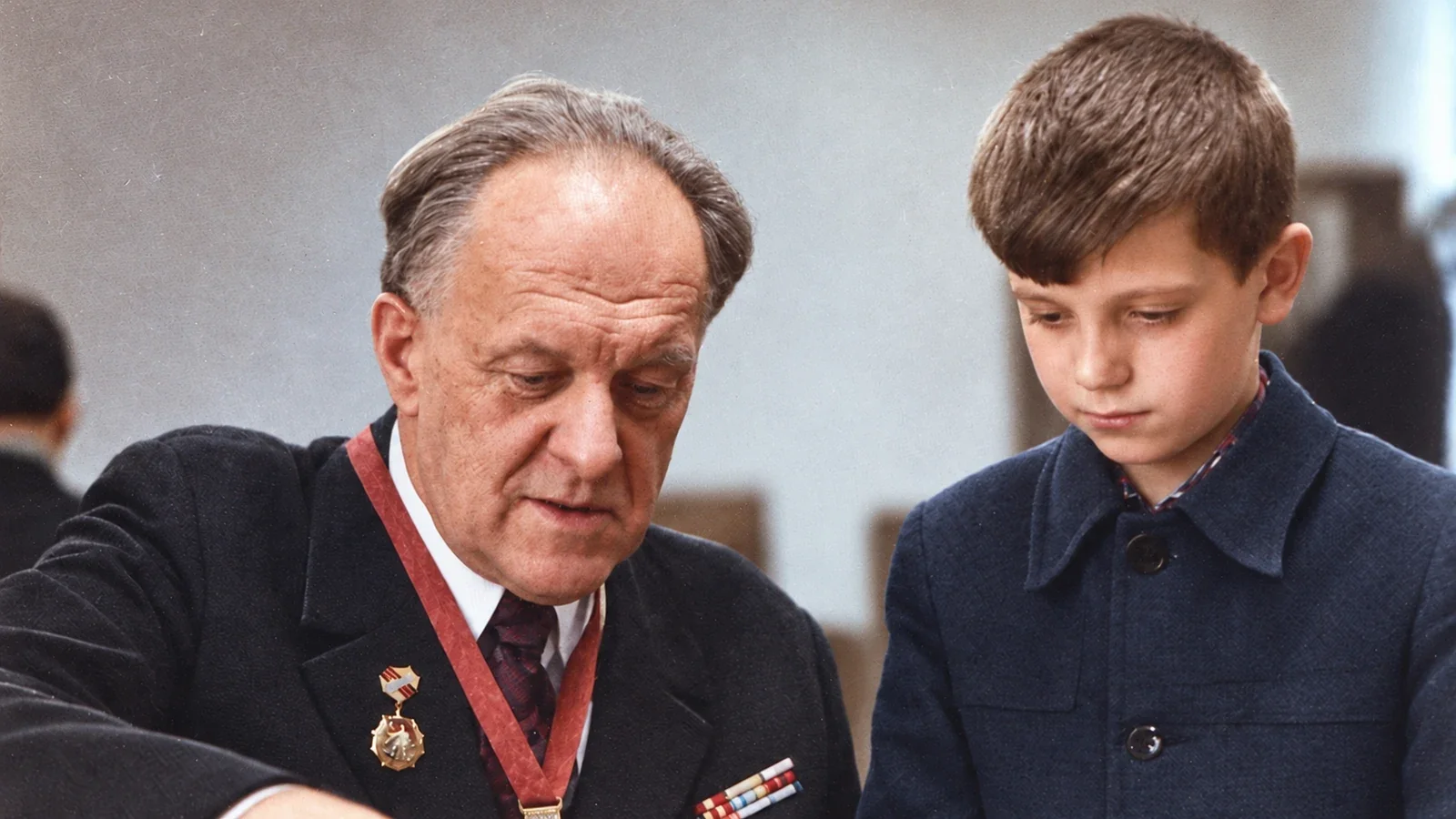
Pyotr Dubinin
Pyotr Dubinin (1909–1983) competed in four USSR Championship finals and became a correspondence grandmaster. A joint Soviet correspondence champion and world runner-up, he also spent decades teaching chess at the Gorky Automobile Plant.
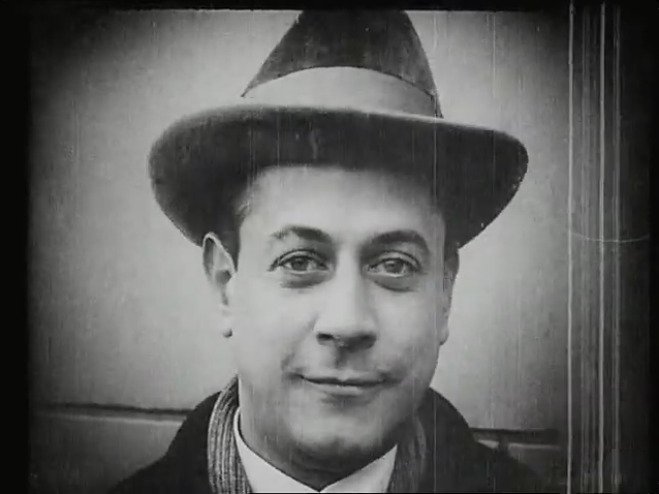
Chess Fever 1925
A silent comedy made during Moscow’s 1925 international tournament, Chess Fever brings together Capablanca, a troubled romance and a city absorbed in chess.
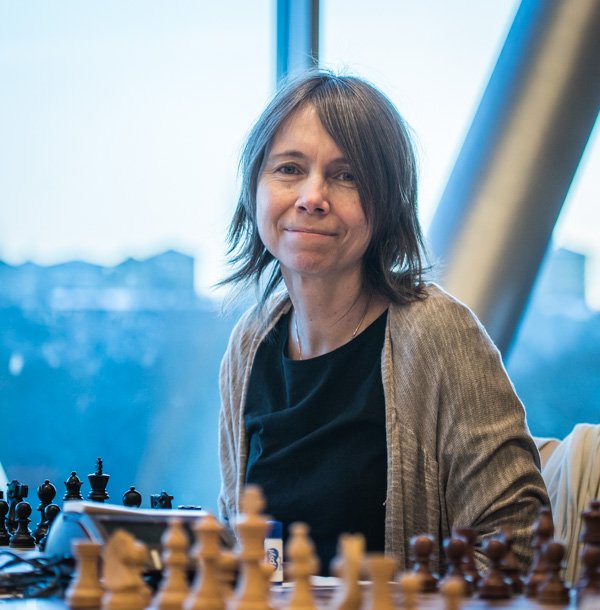
Pia Cramling
Pia Cramling led the women’s world rating list in 1984, ahead of six Soviet players. Her career took her through Candidates contests with the Soviet elite, two European titles, three Olympiad first-board gold medals, and decades of teaching and competition.
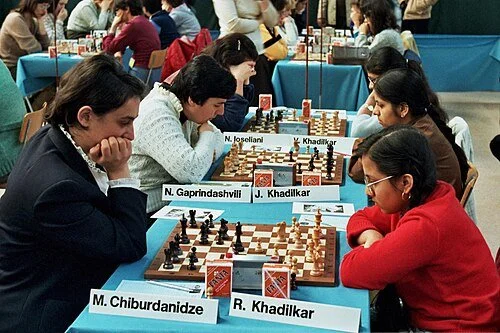
Women’s Chess in Georgia
Nona Gaprindashvili and Maia Chiburdanidze held the women’s world chess title in succession from 1962 to 1991. Behind their success stood families, dedicated coaches, and a growing network of clubs and competitions. This profile traces how Georgia developed its women’s chess tradition and sustained it across generations.
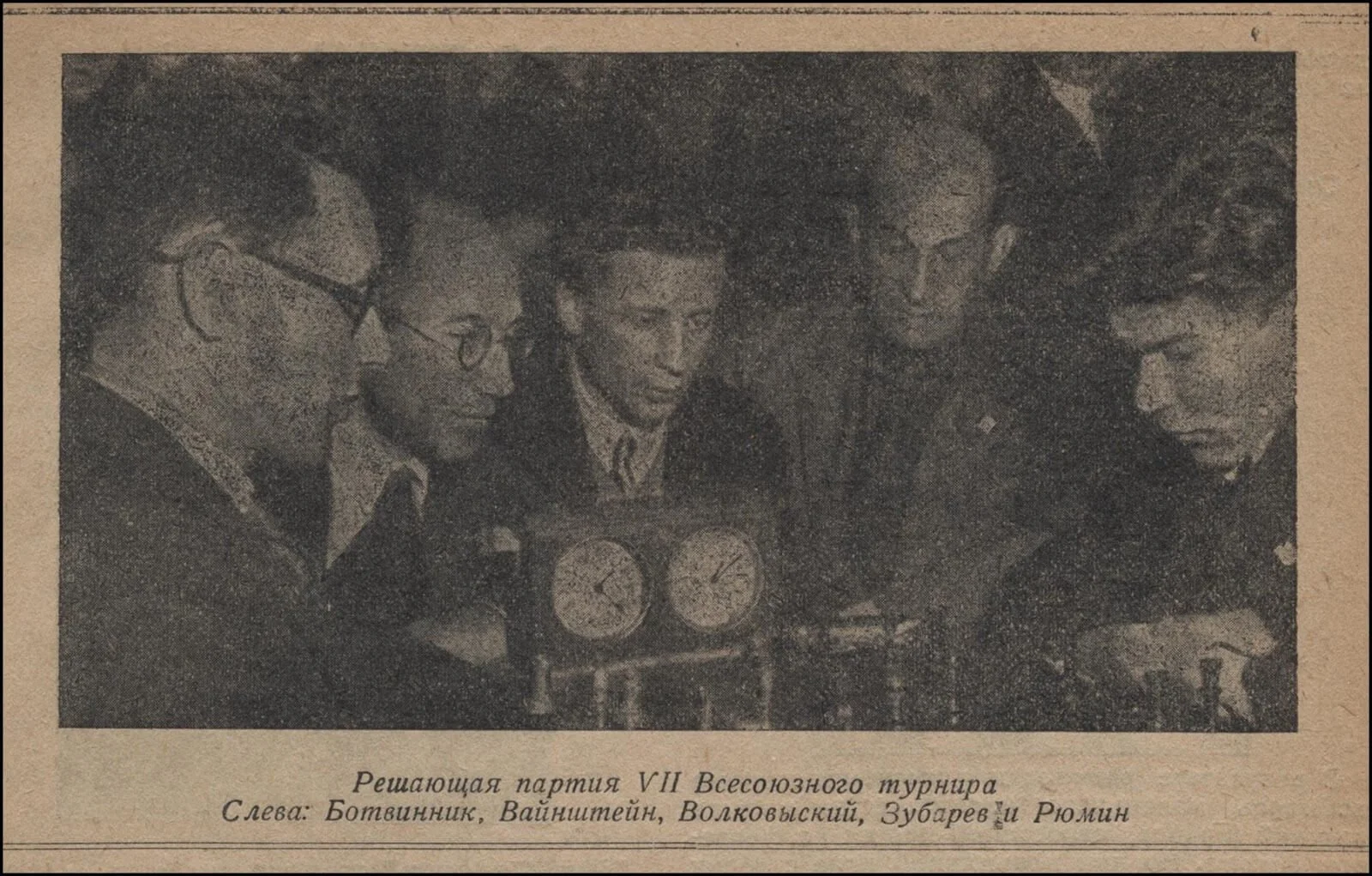
The 7th USSR Championship
At the 7th Soviet Chess Championship in Moscow, 20-year-old Mikhail Botvinnik won his first Soviet title with 13½/17. His victory over Nikolai Riumin helped secure a two-point winning margin and marked a defining breakthrough in his career.
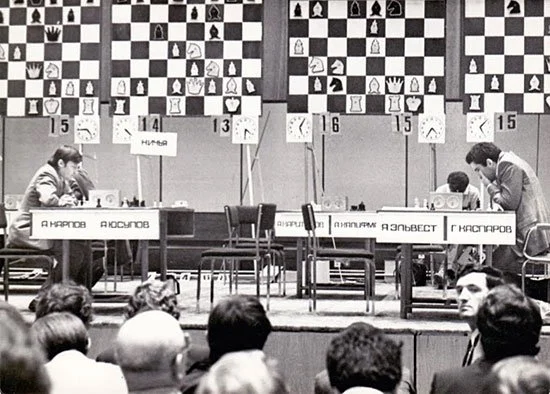
The 55th USSR Championship
Garry Kasparov and Anatoly Karpov shared the 55th Soviet Chess Championship in Moscow, both undefeated with 11½/17. With Mikhail Botvinnik serving as chief arbiter, the 1988 tournament brought together established champions and rising talents, including Vasily Ivanchuk.
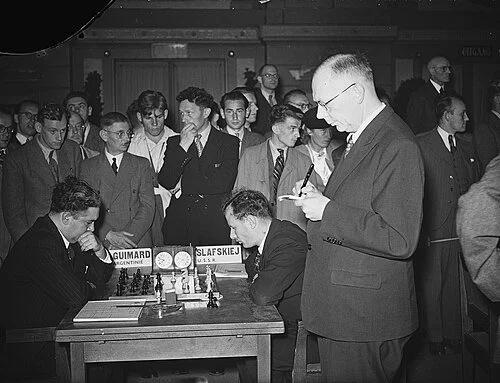
Groningen 1946
Mikhail Botvinnik won the Groningen 1946 chess tournament by half a point over Max Euwe, with Vasily Smyslov third. Bringing together twenty players from twelve countries, the event demonstrated Soviet chess strength and helped renew elite international competition after World War II.
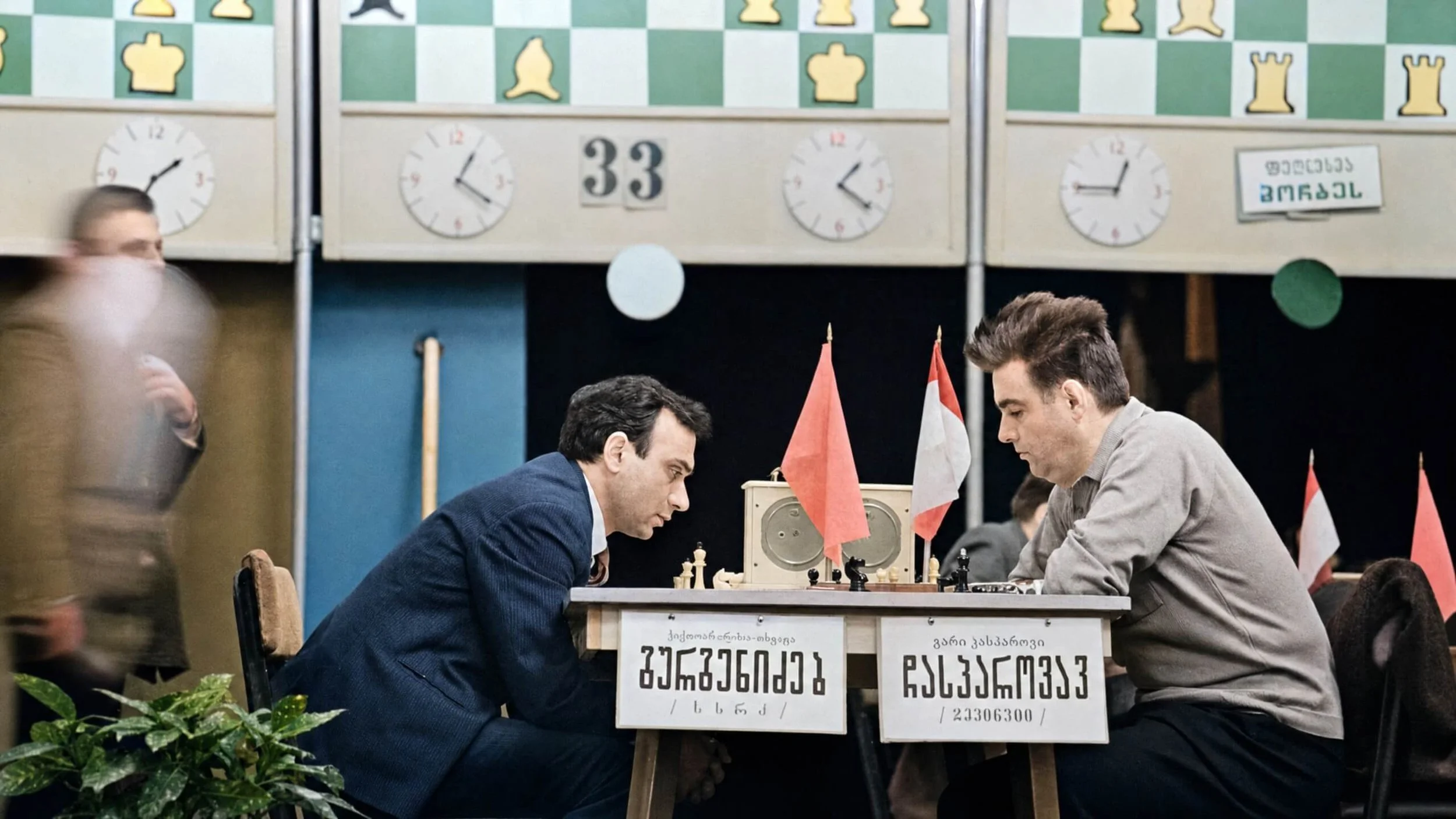
Bukhuti Gurgenidze
Bukhuti Gurgenidze was a Georgian grandmaster, multiple Georgian champion, opening innovator, and Honored Coach of the USSR whose influence reached several leading women players.
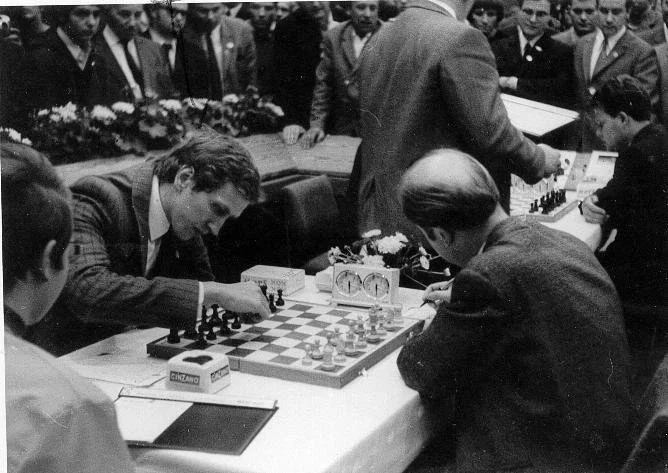
Siegen Chess Olympiad
The 1970 Siegen Chess Olympiad brought 60 teams to West Germany and produced the Soviet Union’s narrowest Olympiad victory to date. This profile examines its format, leading contenders, Spassky-Fischer encounter, public reception, FIDE Congress, and one-point finish ahead of Hungary.
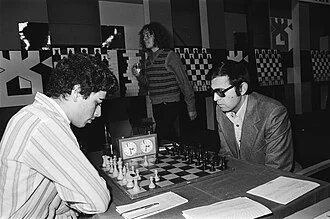
Lev Alburt
Lev Alburt rose through the Soviet chess system and won three Ukrainian championships before building a distinguished American career as a three-time U.S. champion, author, and influential coach.

Olga Rubstova
Olga Rubtsova became the first Soviet women’s chess champion in 1927, won the women’s world title in 1956, and captured the inaugural women’s world correspondence championship in 1972. Her biography traces a remarkable career through Soviet championships, international competition, and chess literature.
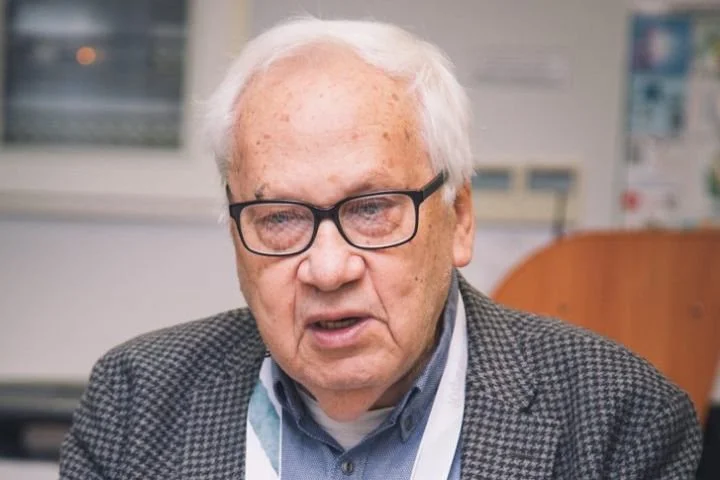
Anatoly Bykhovsky
Anatoly Avramovich Bykhovsky shaped Soviet youth chess for a quarter century. An International Master and Honored Coach of the USSR, he trained many future elite players.
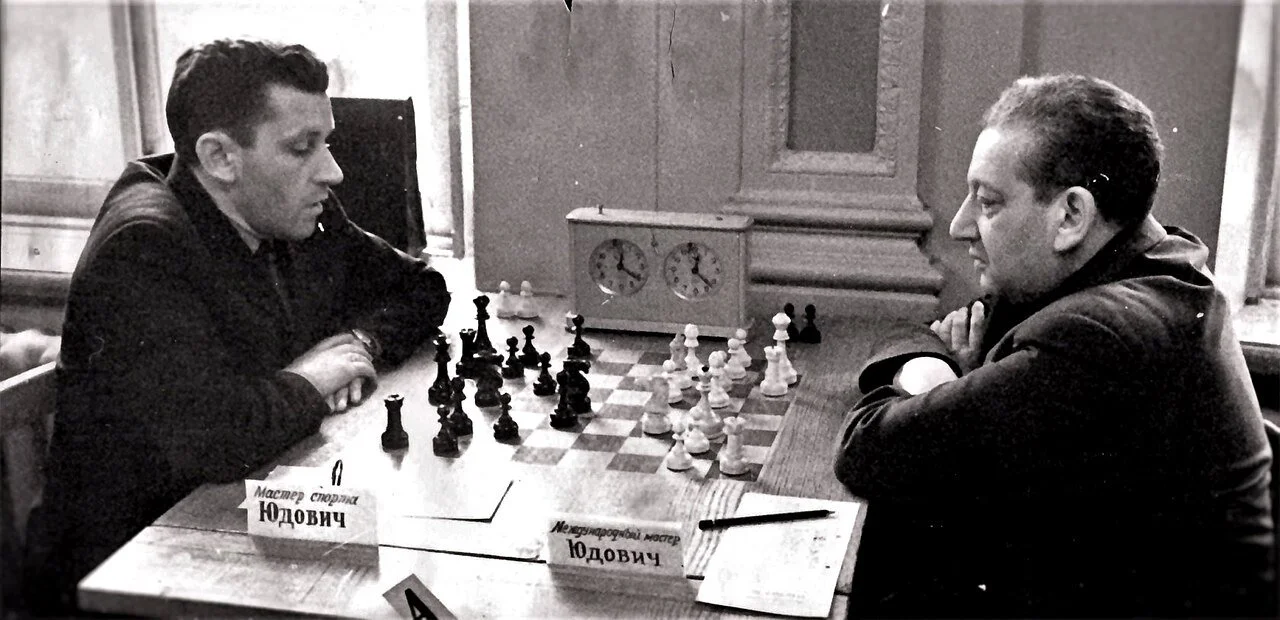
Mikhail Yudovich
Discover Mikhail Yudovich, the Soviet master who shared third in the 1931 USSR Championship and later became a correspondence grandmaster, influential editor, trainer, author, and chess educator.
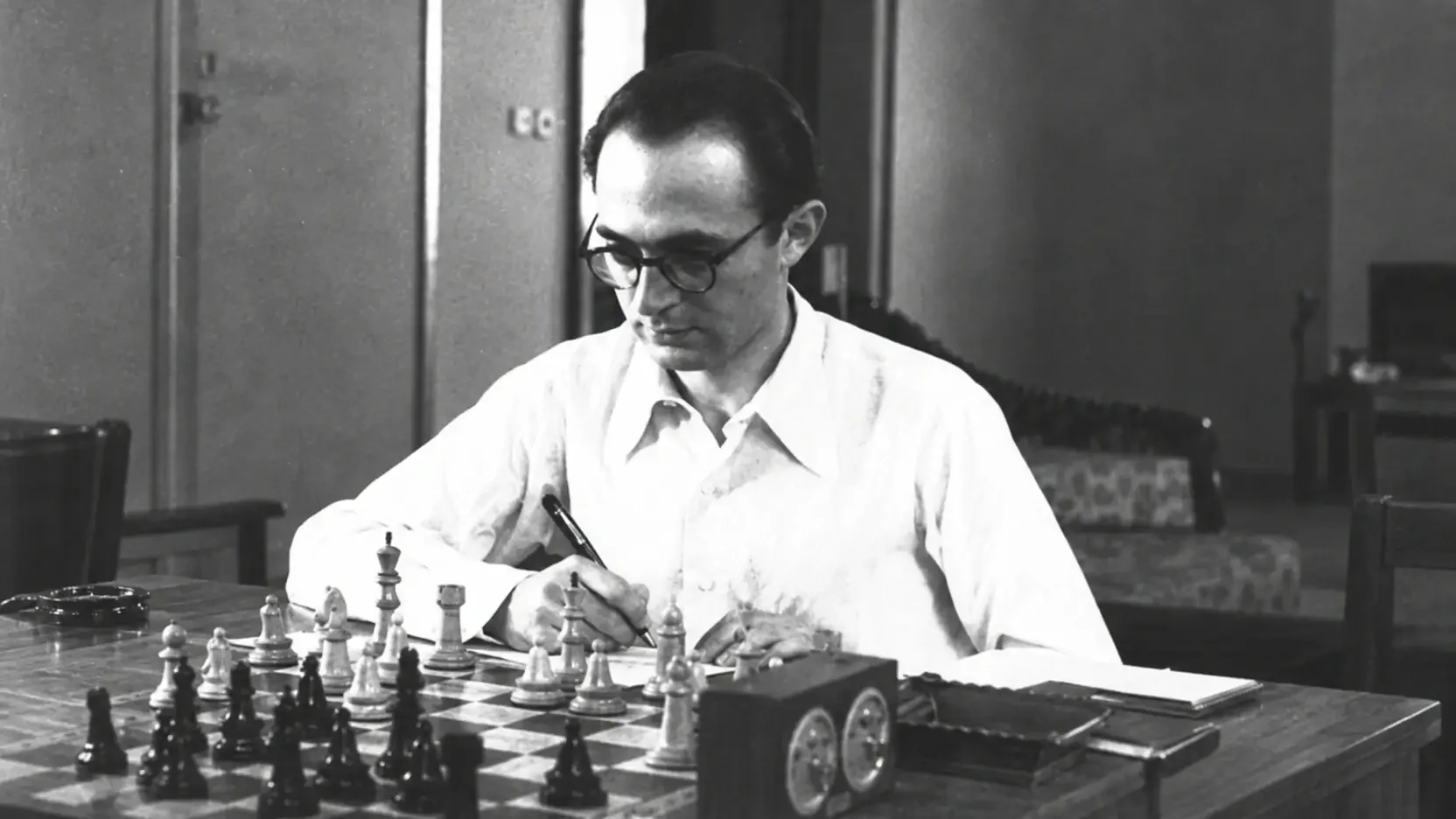
Isaac Lipnitsky
Isaac Lipnitsky was a two-time Ukrainian champion, joint runner-up in the 1950 Soviet Championship, and an influential Soviet chess theorist. This profile examines his life, competitive career, playing style, writings, and lasting place in chess history.
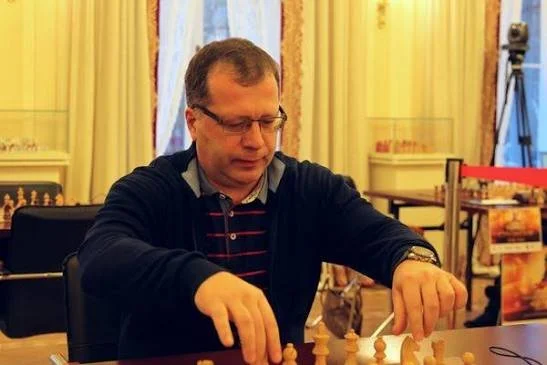
Alexey Dreev
Alexey Dreev emerged from the final generation of Soviet chess prodigies to become a three-time Olympiad champion, world championship quarterfinalist, respected theoretician, and elite trainer. This profile examines his development, competitive career, playing style, books, coaching work, and enduring legacy.