Mark Dvoretsky (Марк Дворецкий)
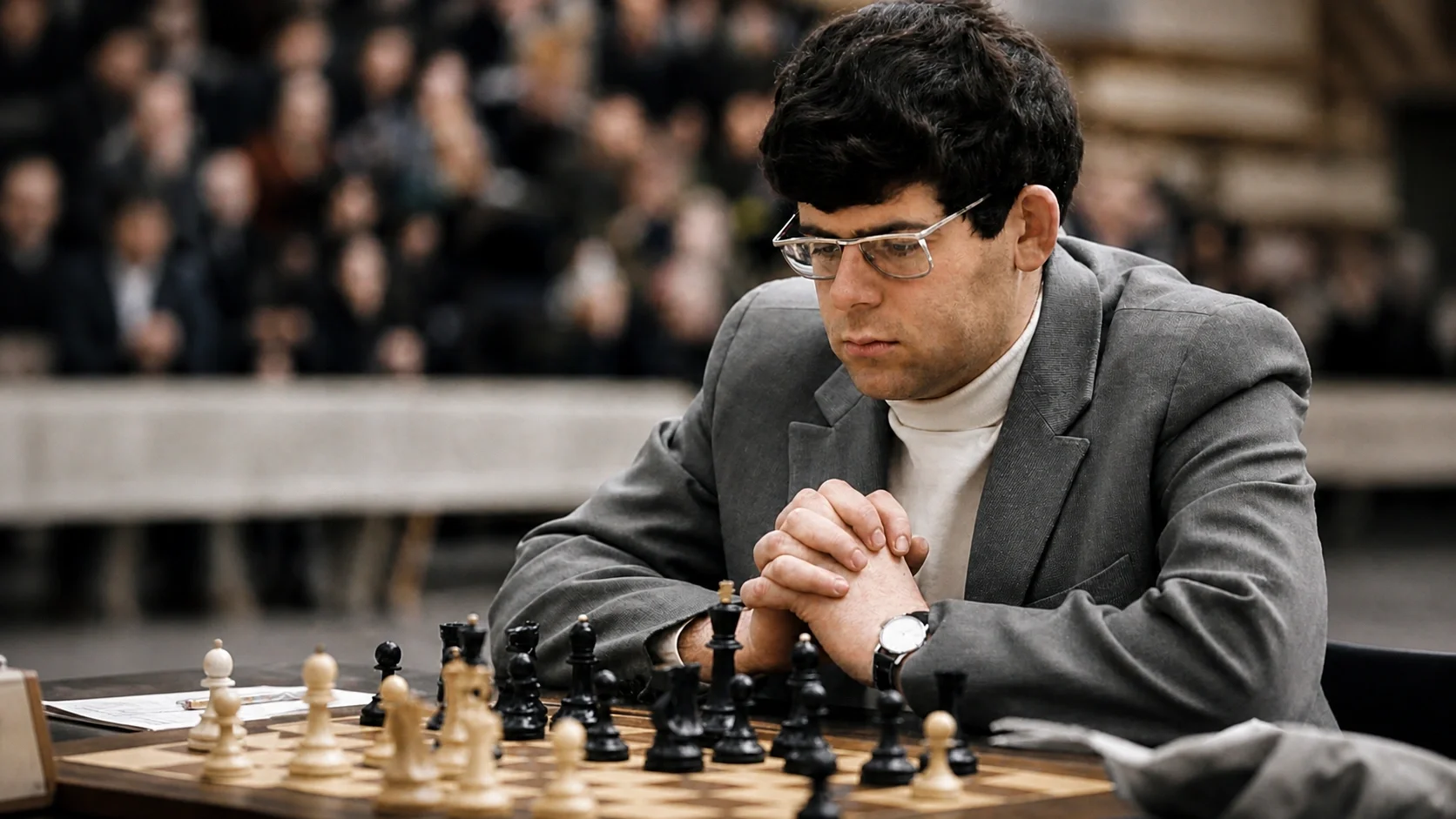
Mark Izrailevich Dvoretsky (1947–2016) was a Russian chess International Master who became renowned as one of the world’s greatest trainers. An Honored Trainer of the USSR (1990), Russia and Georgia, and a FIDE Senior Trainer, Dvoretsky shaped generations of champions. His competitive playing career peaked at roughly 2500+ FIDE (circa 1975), but he soon shifted focus to coaching. He ran Moscow’s famed Botvinnik Chess School and co-founded the School of Future Champions. Dvoretsky authored seminal training works (notably Dvoretsky’s Endgame Manual and the School of Chess Excellence series with Artur Yusupov), emphasizing deep calculation, endgame mastery, and intensive tactical exercise. His methods—rigorous and systematic—produced many grandmasters (including Artur Yusupov, Sergei Dolmatov, Alexei Dreev, Peter Svidler, and others). Critics (e.g. Joshua Waitzkin) noted his style could be inflexible, but his influence on modern chess training is profound. Dvoretsky received major honors (including a FIDE junior-trainer award in his name) and left an enduring legacy. This profile covers his life and work, focusing on biography, career highlights, coaching, publications, students, influence, criticisms, and legacy.
Biography
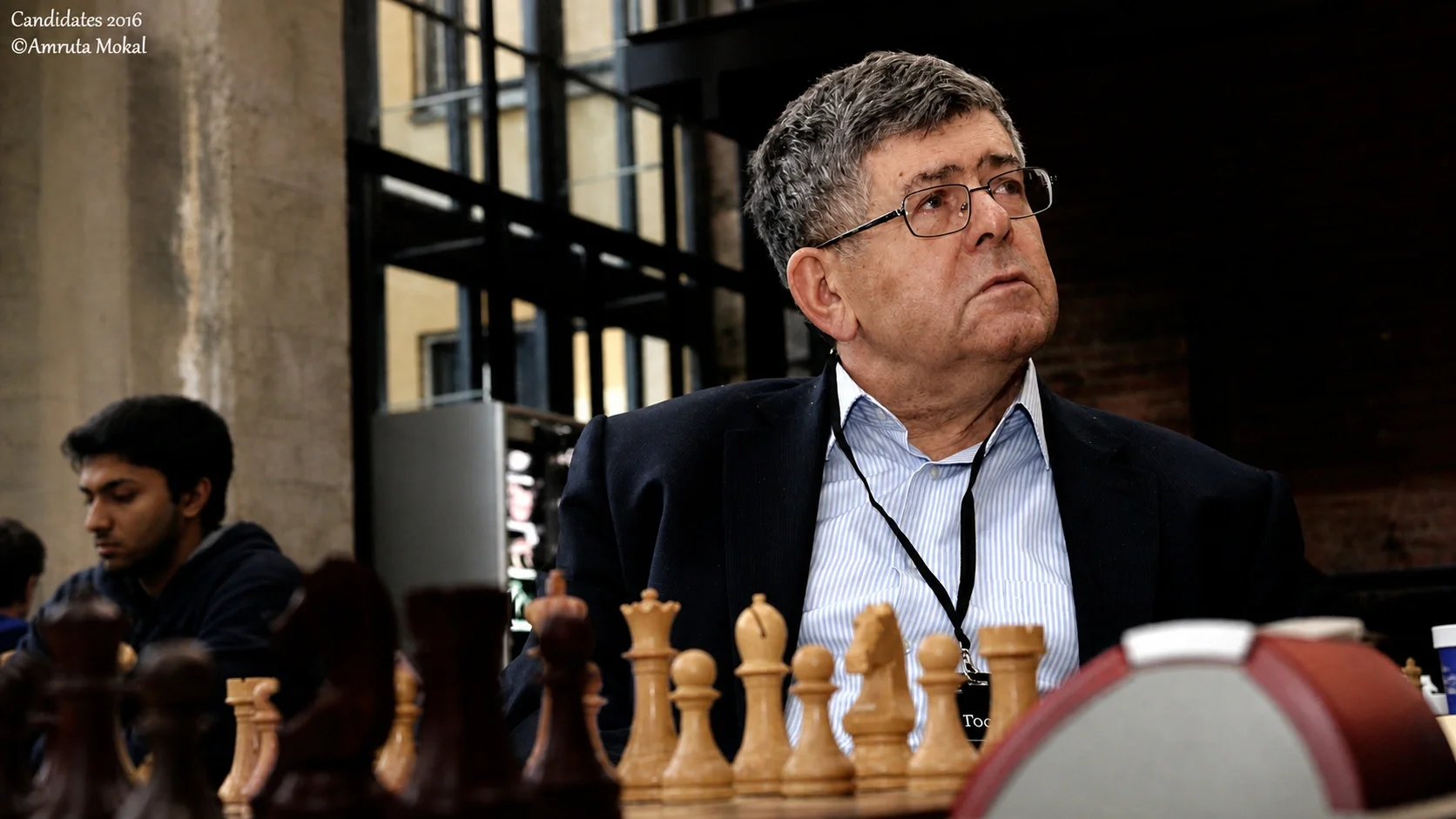
Early Life and Education: Mark Dvoretsky was born in Moscow on December 9, 1947. He displayed early talent in both mathematics and chess, graduating from Moscow’s elite Math School №444. A lifelong mathematician-scholar, Dvoretsky later earned a Ph.D. focusing on chess analysis and computer technology. In 1965 he won the Moscow Junior Championship, and in 1975 FIDE awarded him the International Master title. He never achieved Grandmaster status in play, but contemporaries considered him GM-strength.
Family: Public records on Dvoretsky’s family are sparse. He was married to architect Galina Dmitrievna Nikitina and had a son, Alexandr Markovich Dvoretsky. Nothing controversial is recorded about his private life; he was known chiefly for integrity, discipline, and respect within the chess community.
Death: Dvoretsky died suddenly on September 26, 2016, at age 68. News of his passing appeared at the Tal Memorial in Moscow. He is buried in Moscow. Various chess organizations (including FIDE) published tributes noting his honors as USSR/Russia coach and author of many best-selling chess books.
Chess Career
Titles and Rating: In over-the-board play Dvoretsky’s official titles were International Master (1975) and Honored Coach (USSR 1990, Georgia 1981, etc.). His peak FIDE rating was around 2540, unusually high for an IM. According to retrospective rating lists (Chessmetrics), he reached a strength equivalent to 2690 in the mid-1970s (top 20 in the world). Domestically he won strong events such as the Moscow Championship (1973) and competed in Soviet championships. However, at his own request he retired from serious competition relatively young to focus on coaching and research.
Tournament Results: As a player Dvoretsky had notable results in Soviet team events and international opens. He played in the USSR Championship finals in the 1970s, and tied for first in the 1975 Hoogovens-B (Polgarti Mens) tournament. In team competitions, he helped the Soviet Burevestnik (University) team and won team events. Nonetheless, most chess historians consider his practical legacy to lie in training, not on tournament crosstables.
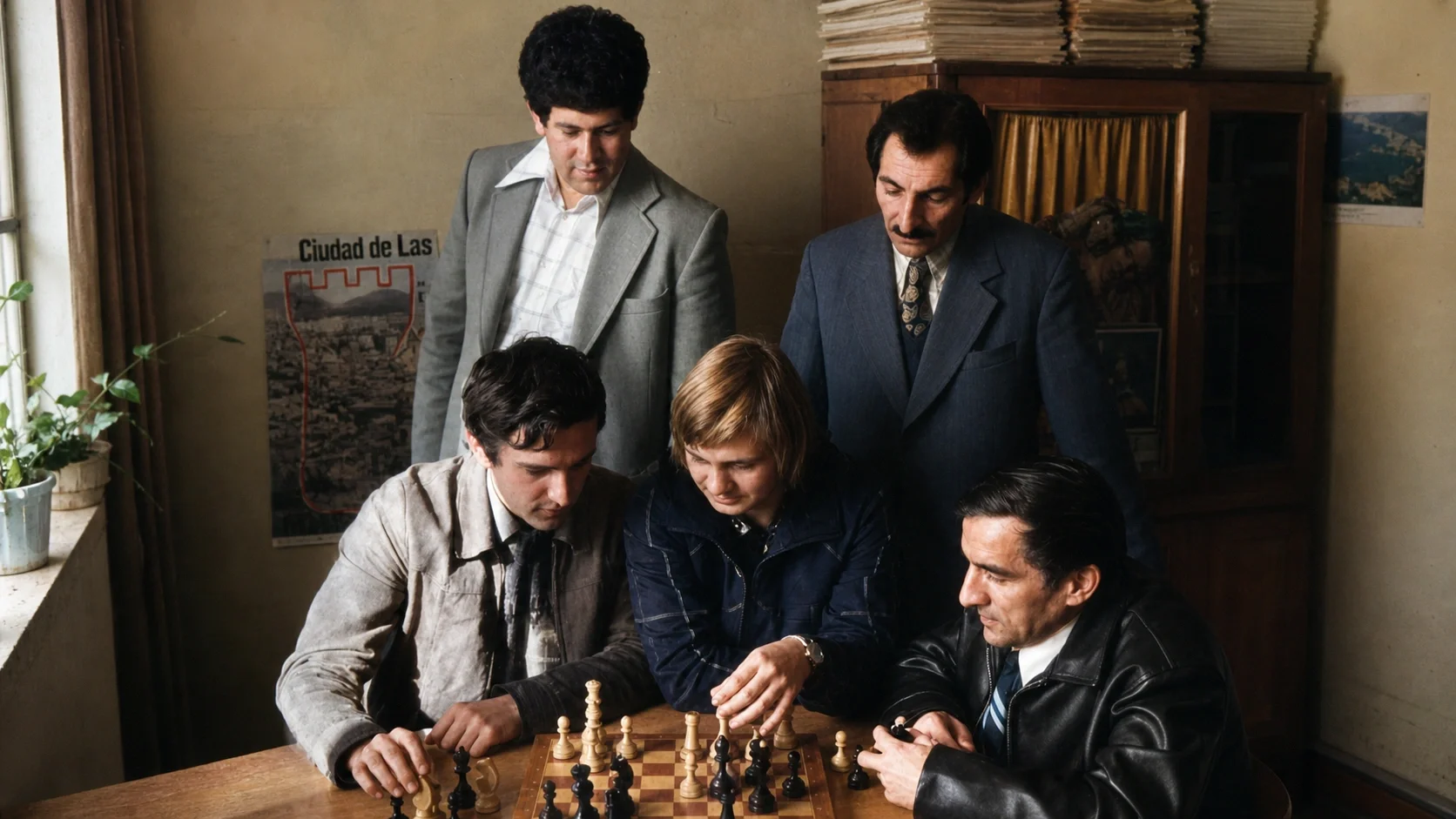
Dvoretsky, Dolmatov, and Yusupov
Coaching Career
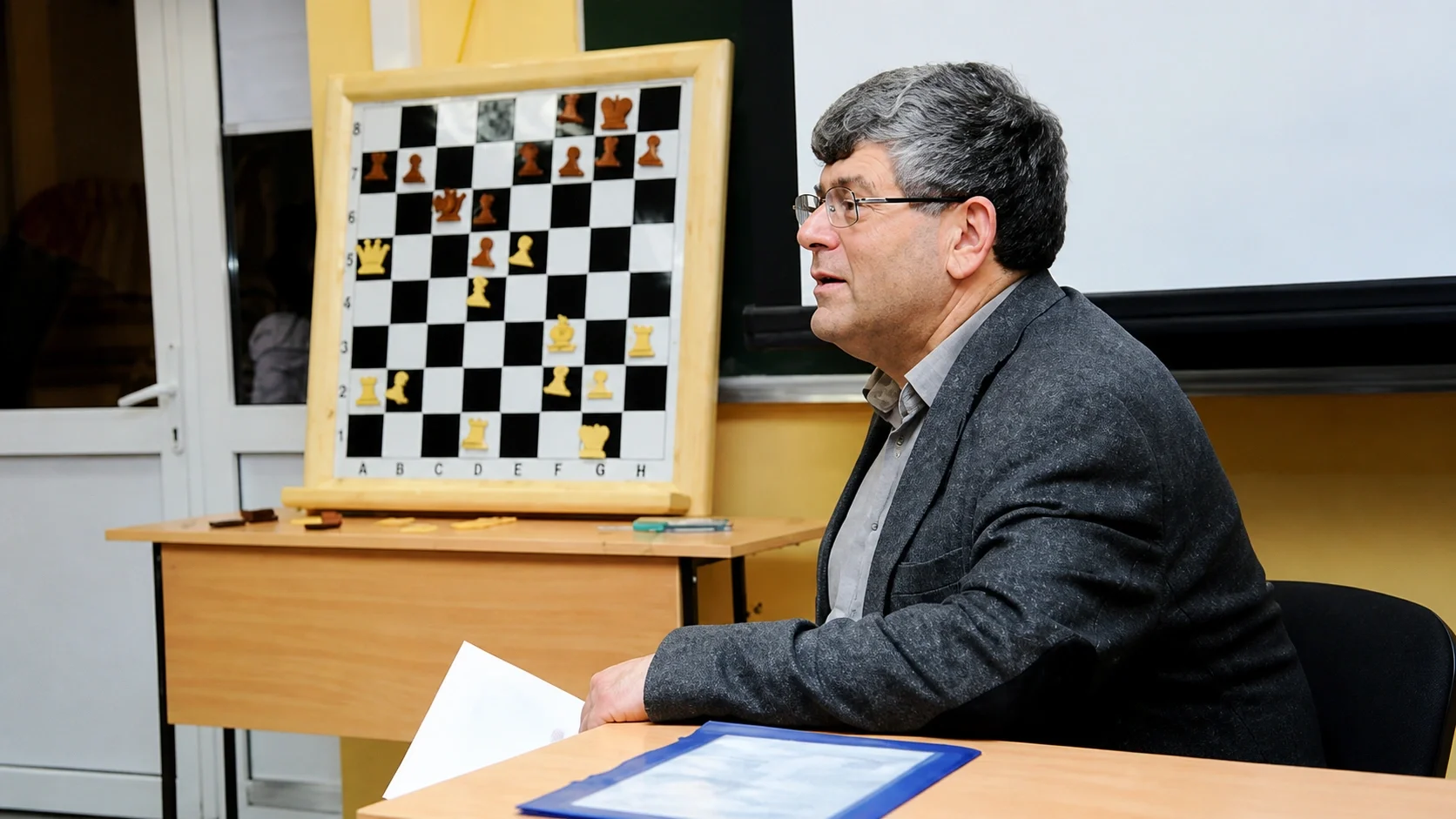
Early Coaching and the Botvinnik School: Dvoretsky began coaching in the late 1960s. In 1973 he joined the Mikhail Botvinnik Children’s Chess School in Moscow as a senior coach. After Botvinnik’s death in 1995, Dvoretsky helped lead the renamed Botvinnik School, mentoring top Soviet juniors. He co-founded the School of Future Champions, a private training program in the 1990s, with students including rising talents from across the USSR. For over two decades he was considered the leading coach of Soviet/Russian juniors.
Methods and Curriculum: Dvoretsky’s training method was systematic and intensive. He emphasized:
Calculation and Tactics: Students solved huge numbers of tactical and endgame exercises. Dvoretsky insisted on the “guess the move” approach, where a student attempts the best move before seeing the solution, to sharpen intuition and calculation.
Endgame Mastery: Known as the “endgame guru,” Dvoretsky made studying endgames a cornerstone of preparation. He personally worked through challenging theoretical endgames and pawn structures with pupils.
Positional Understanding: He taught students to analyze positions deeply, evaluating imbalances and long-term plans. This included learning classic strategic themes and pawn-play techniques.
Self-analysis and Discipline: He required students to keep detailed notebooks, analyze their own games rigorously, and persevere through difficult positions.
His philosophy was that talent is less important than hard work and methodical study. He once said that consistent training “matters” (though he did not use that word) more than innate genius.
Timeline and Geographic Work: Through the 1970s–1990s Dvoretsky’s work was centered in Moscow, but he also traveled frequently for training camps. After the fall of the Soviet Union he lectured extensively abroad. In the 2000s–2010s he spent periods coaching in Europe and the United States (often in Dallas and California), teaching master classes and conferences. He took official roles as a FIDE Senior Trainer (2004) and was named Honored Trainer of FIDE for his lifetime achievements.
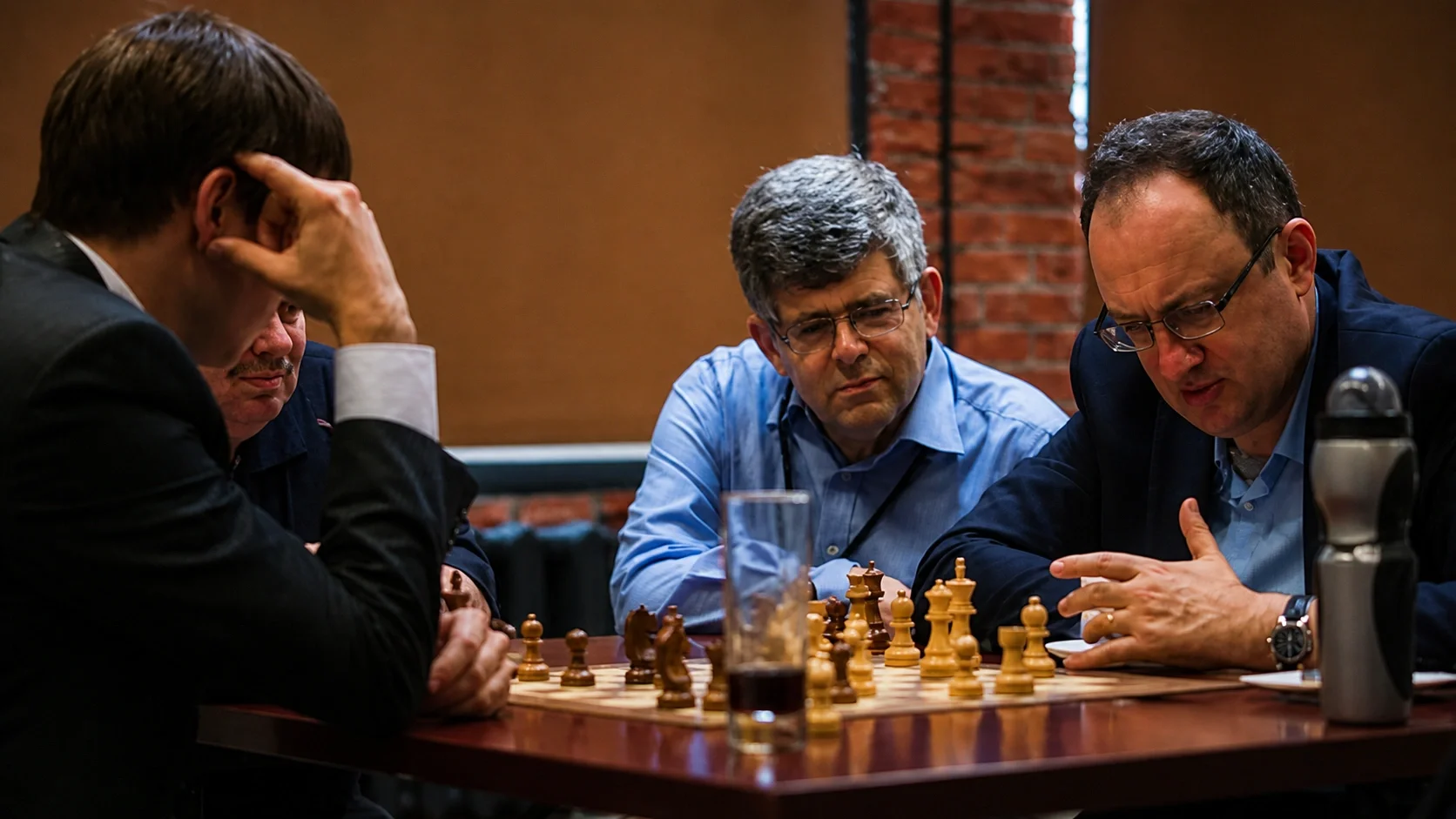
Dvoretsky and Gelfand
Publications
Dvoretsky was a prolific author. His works are highly regarded training manuals. Key publications include (with original language and later translations):
School of Future Champions Series (with Artur Yusupov, 1991–1995): A five-volume course titled Secrets of Chess Training (1991), Technique of Positional Play (1994), Opening Preparation (1995), School of Future Champions, Vol. 1–5 (various co-authors). Published by the Macmillan Chess Library, these books lay out Dvoretsky’s training curriculum and have been translated into many languages.
Dvoretsky’s Endgame Manual (1987; revised editions in 1995, 2006): His most famous book, presenting hundreds of difficult endgame positions with instruction. Often called the “Bible of the Endgame,” it remains a standard reference for serious players. The 2006 edition (McFarland) is widely used today.
Tricks, Traps, and Games (1997): A tactical exercise book drawing on world championship games, emphasizing combinational themes.
Opening Preparation, Volume 1 and 2 (1984–85): Introduced his systematic approach to opening study (out of print now).
Positional Play (1987; also known as Technique of Positional Play): Co-authored with Artur Yusupov, covering advanced middlegame strategy.
Attacking Manual 1 and 2 (1995–96): Focused on aggressive play and attacking techniques.
School of Chess Excellence Series (2000s): A set of workbooks and manuals (often co-authored with others) for tournament players, including topics like calculation, analysis of champions, and psychological preparation.
Endgame Training (2003): A book of endgame studies and exercises for students.
For Friends and Colleagues (Vol.1 & 2, 2017–2018): Posthumously published collections of his unpublished articles, annotated games, and reminiscences, compiled by peers at the Chess Tiger imprint.
In total Dvoretsky wrote or co-wrote dozens of chess books and articles (some self-published in Russian). He was also editor-in-chief of Chess in Russia magazine and wrote columns in 64 and other journals. Many of his Russian titles were translated into English, German, Spanish, etc. His works are notable for clear explanations, deep analysis, and an emphasis on training rather than opening theory.
Notable Students
Dvoretsky coached numerous grandmasters and champions. While he had many students, some of the most distinguished include:
Artur Yusupov: Dvoretsky’s most famous pupil and co-author. Yusupov became World Championship Candidate (top 3 in FIDE rating, mid-1980s), a Soviet champion, and a 2700+ GM. He credits Dvoretsky for transforming his approach to chess.
Sergey Dolmatov: World U-18 (1978) and U-20 (1980) Champion under Dvoretsky’s tutelage. Dolmatov earned the GM title in 1981, scored well in interzonals and USSR championships, and later became a trainer himself.
Alexei Dreev: European (1987) and World Junior (1990) Champion, multiple-time Russian champion contender, and 2700+ GM. Dreev trained with Dvoretsky throughout his junior career.
Peter Svidler: Six-time Russian Champion (1994–2011), world-class GM. Svidler attended Dvoretsky’s training sessions as a junior (often with Yusupov’s group) and regarded him as a key influence.
Sergei Movsesian: Armenian (later Slovak/Slovenian) GM who became European Champion (2017) and a candidate. He trained in Moscow as a youth under Dvoretsky.
Krunoslav Hulak and Gyula Sax: (Juniors from Yugoslavia/Hungary in the 1980s) also spent periods studying with Dvoretsky to reach grandmaster level.
Vasily Yemelin, Vladislav Tkachiev, Alexandra Kosteniuk, and other grandmasters reported coaching or consultation with Dvoretsky during their careers.
Elena Gaponenko and Ildikó Mádl: Strong women players coached by Dvoretsky in the 1990s.
Each of these students reached at least the grandmaster title, with many winning national or world junior titles and competing at the highest levels. A few went on to be trainers themselves (e.g. Yusupov), perpetuating Dvoretsky’s methods.
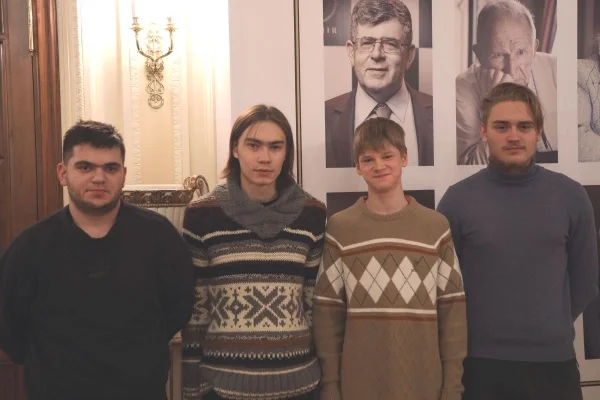
Mark Dvoretsky Memorial
Influence on Modern Training and Theory
Dvoretsky’s influence on modern chess is enormous, though indirect. Key aspects of his legacy include:
Training Philosophy: His systematic approach (tactical drills, deep endgame study, and intensive self-analysis) has been adopted by many coaches worldwide. Modern training software and books often reflect the “Dvoretsky style” of exercise-based learning.
Educational Materials: His books became standard curricula at chess schools. Coaches today still use exercises from Endgame Manual and the School of Future Champions. The notion of solving thousands of endgame and tactic problems owes much to his emphasis.
Theoretical Contributions: Some opening ideas emerged from his analyses (for example, work on certain lines of the Ruy Lopez and Catalan). But more importantly, his work on general chess thinking (e.g. how to evaluate positions) influenced grandmaster coaches everywhere.
Recognition by FIDE: In 2016 FIDE established the Mark Dvoretsky Award for the best junior trainer of the year, highlighting his lasting impact on chess education.
Hall of Fame and Honors: He was inducted into the U.S. Chess Hall of Fame in 1989 (as one of its earliest members) and later recognized by various chess federations. A monthly rapid tournament in memory of Dvoretsky (e.g. “Mark Dvoretsky Memorial” in Moscow) is held, keeping his name in circulation.
Overall, Dvoretsky is often called the “king of chess coaches”. His trainees and readers number in the thousands, many crediting him with breakthroughs in their understanding. Even among players who never met him, his books have changed how they study.
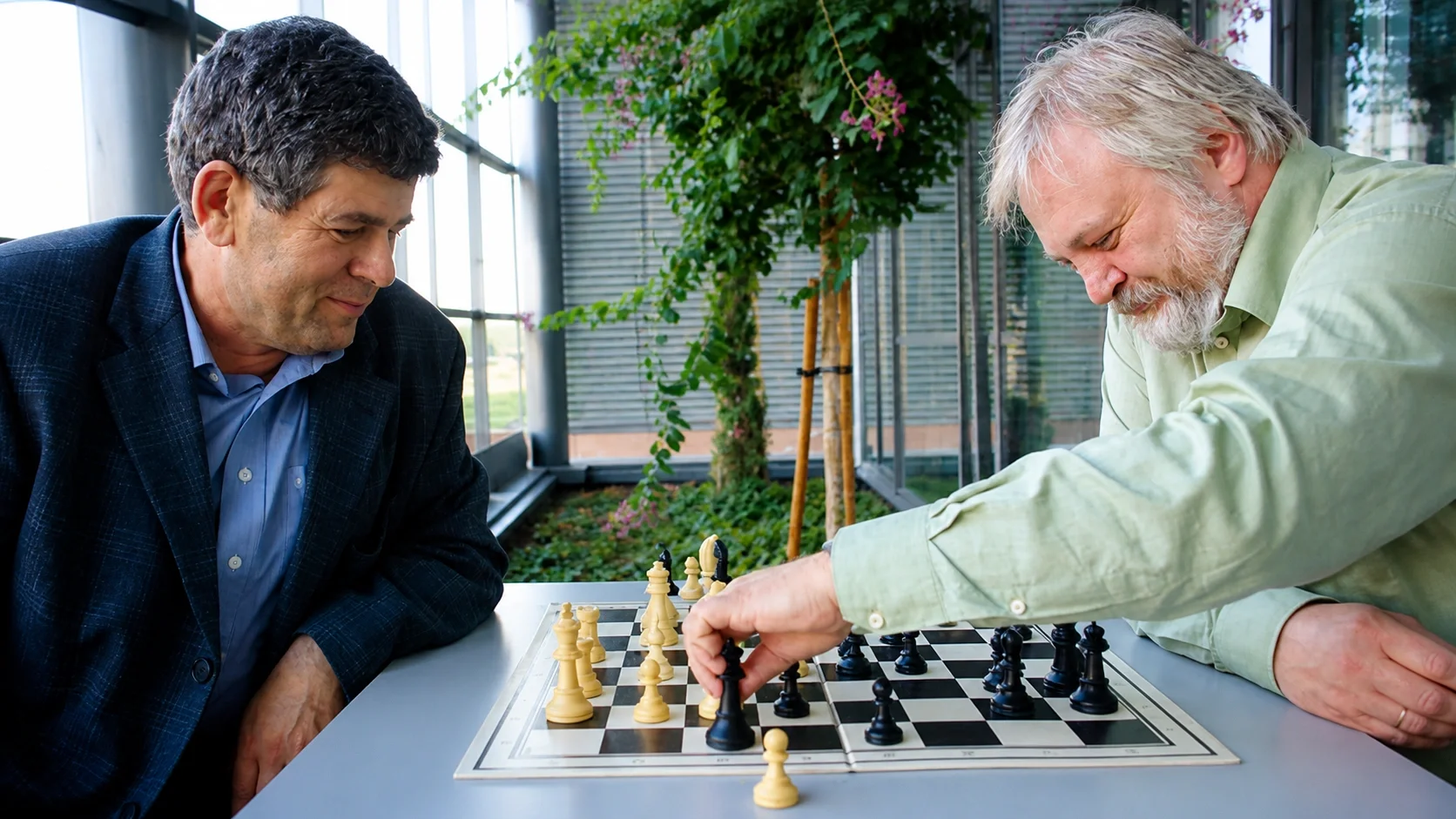
Legacy
Mark Dvoretsky’s legacy in chess is multifaceted. He is remembered as a legendary coach whose methods became part of standard chess pedagogy. Honors and ongoing influence include:
Memorial Tournaments and Awards: The annual Mark Dvoretsky Memorial events and the FIDE trainer award in his name celebrate his memory.
Hall of Fame Inductions: He is a member of national and (informally) global chess “Halls of Fame,” reflecting his status among the all-time greats in coaching.
Continued Use of His Works: His books continue to sell in new editions (e.g. Endgame Manual 6th ed. in 2020) and are often recommended by coaches. Translations keep his teachings accessible worldwide.
Influence on Students: Many of his students became coaches themselves or wrote books (e.g. Yusupov’s Build Up Your Chess), spreading Dvoretsky’s ideas.
Quotations and Anecdotes: Phrases like “training, not talent” (often attributed to him) and stories of his rigorous sessions circulate in chess lore, inspiring both respect and caution.
In short, Dvoretsky’s methods, books, and students continue to shape the chess world. Even a decade after his death, top players and coaches cite him when discussing endgame study or training regimens.
