Alexander Beliavsky: The Uncompromising Soviet Master
Origins, Formation, and Early Ascent
Alexander Beliavsky (b. 17 December 1953, Lviv, Ukrainian SSR) emerged from one of the Soviet Union’s most fertile chess environments. Trained under Viktor Kart—whose pedagogical approach emphasized individuality and psychological insight—Beliavsky developed a style that resisted rigid orthodoxy while retaining classical foundations.
His international breakthrough came with victory at the 1973 World Junior Championship, a result that established him among the Soviet elite. Although his debut in the USSR Championship the same year was unsuccessful, he rebounded dramatically by sharing first place with Mikhail Tal in 1974, signaling his arrival as a major force within the strongest national chess system in history.
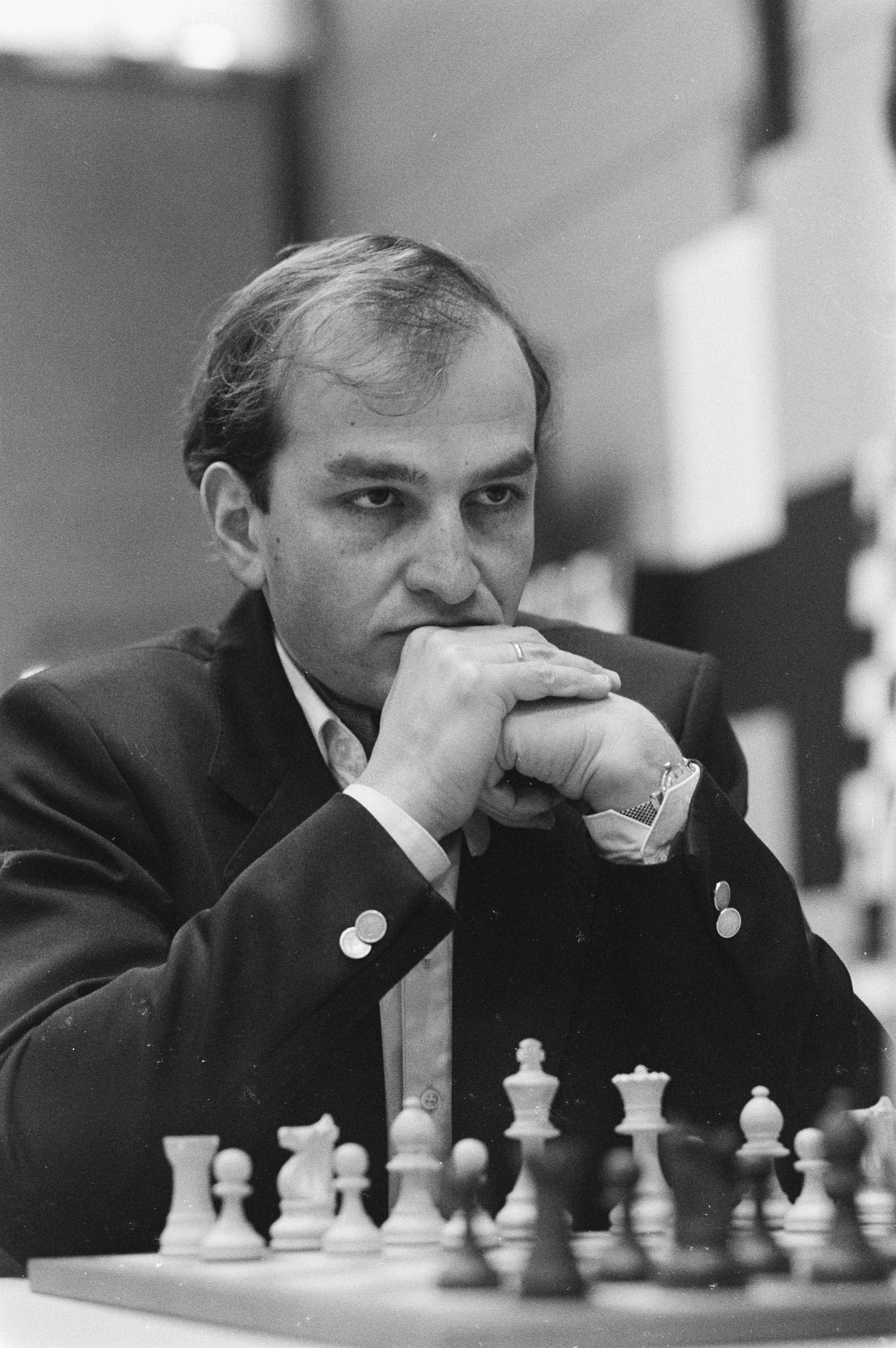
Alexander Beliavsky at Wijk aan Zee
9th round; Beliavsky, January 29, 1985
Soviet Elite Career and World Championship Contention
Beliavsky’s competitive peak unfolded during the 1970s–1980s, when he stood among the world’s leading players. His most significant achievements include:
Four-time USSR Champion (1974, 1980, 1987, 1990), placing him alongside Petrosian and Korchnoi in the event’s hierarchy
Peak ranking of World No. 3 (1985)
Candidates appearances in 1983 and 1985
Despite repeated proximity to the world title, he never reached the final match. His progress was obstructed by the extraordinary density of elite competition in the Karpov–Kasparov era. Nevertheless, his consistent presence in Interzonals and Candidates cycles confirms his status as a genuine world championship contender rather than a peripheral participant.
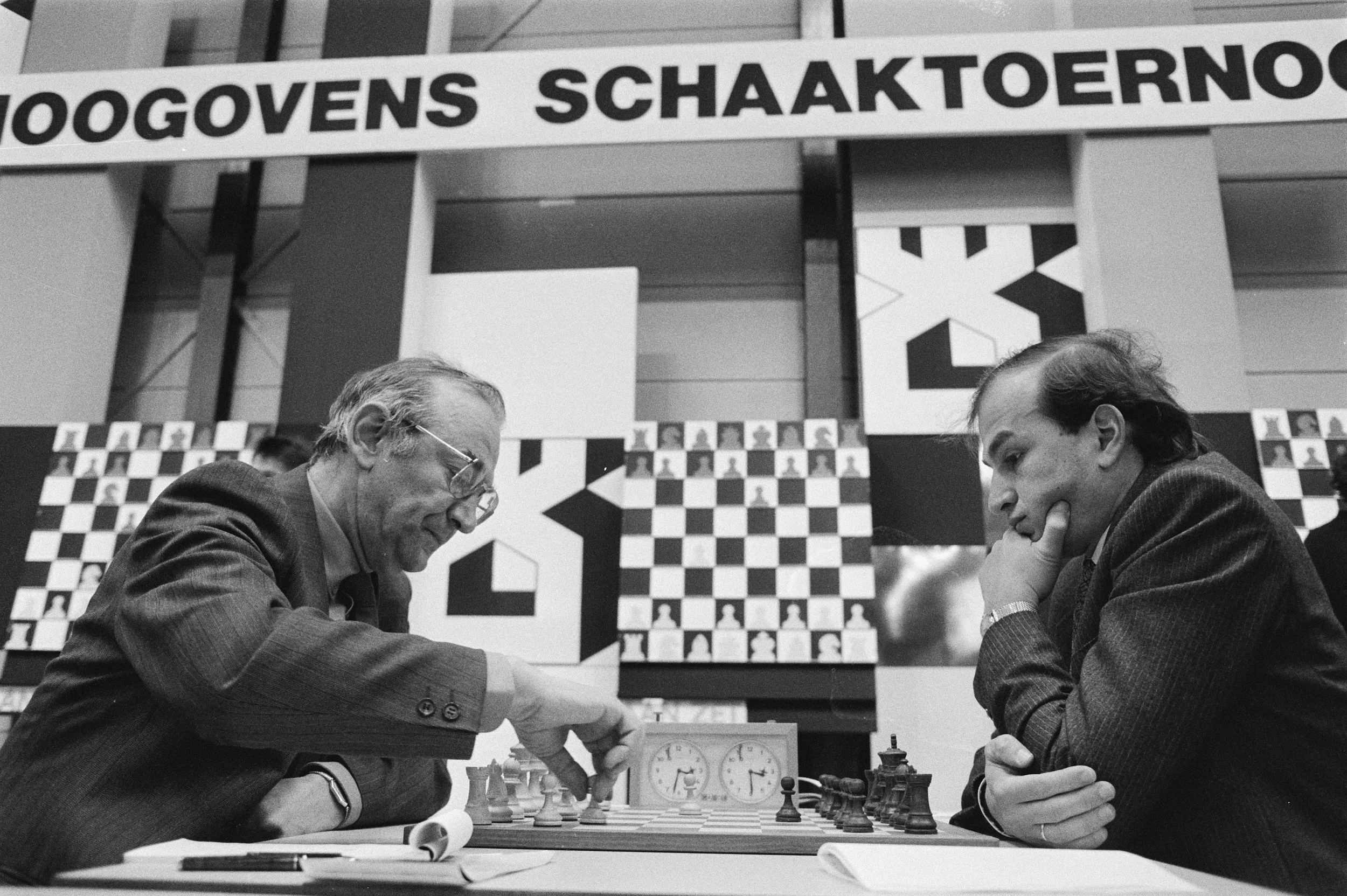
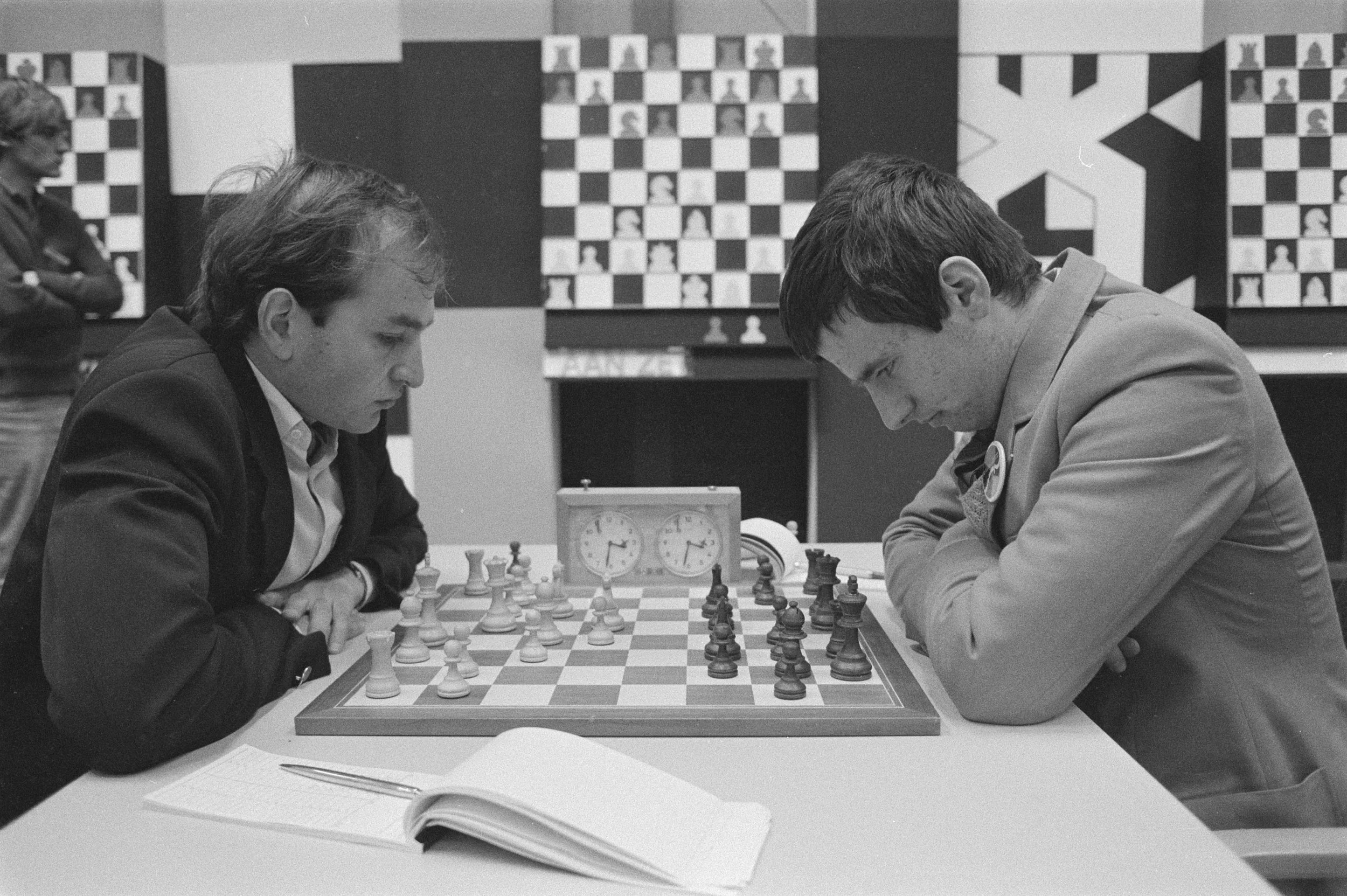
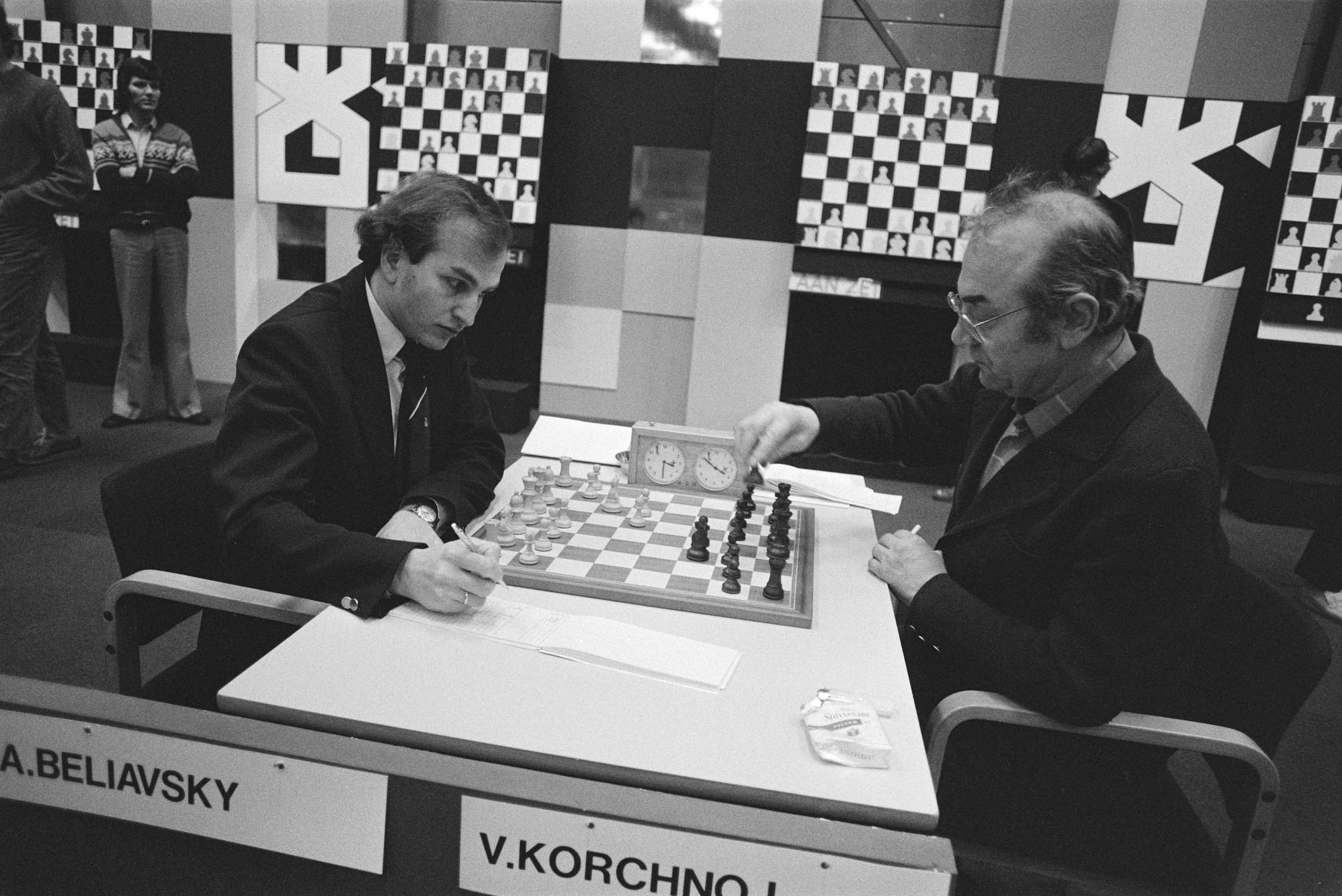
Viktor Korchnoi and Alexander Beliavsky at Wijk aan Zee
Team Success, Longevity, and International Career
If his individual title remained elusive, Beliavsky’s team record is exceptional:
Olympiad team gold medals with the USSR (1982, 1984, 1988, 1990)
World Team Championship gold medals (1985, 1989), including individual board golds
Leading Soviet scorer in the USSR vs. Rest of the World (1984) match
Following the dissolution of the Soviet Union, he represented Ukraine briefly, then Slovenia from 1996 onward, serving as a long-term top-board player and later as team captain.
His longevity is remarkable: active at the elite level from the 1970s into the 2010s, with a return to a 2700+ rating in 1997 after a mid career decline, and continued relevance in international competition well into his 60s.
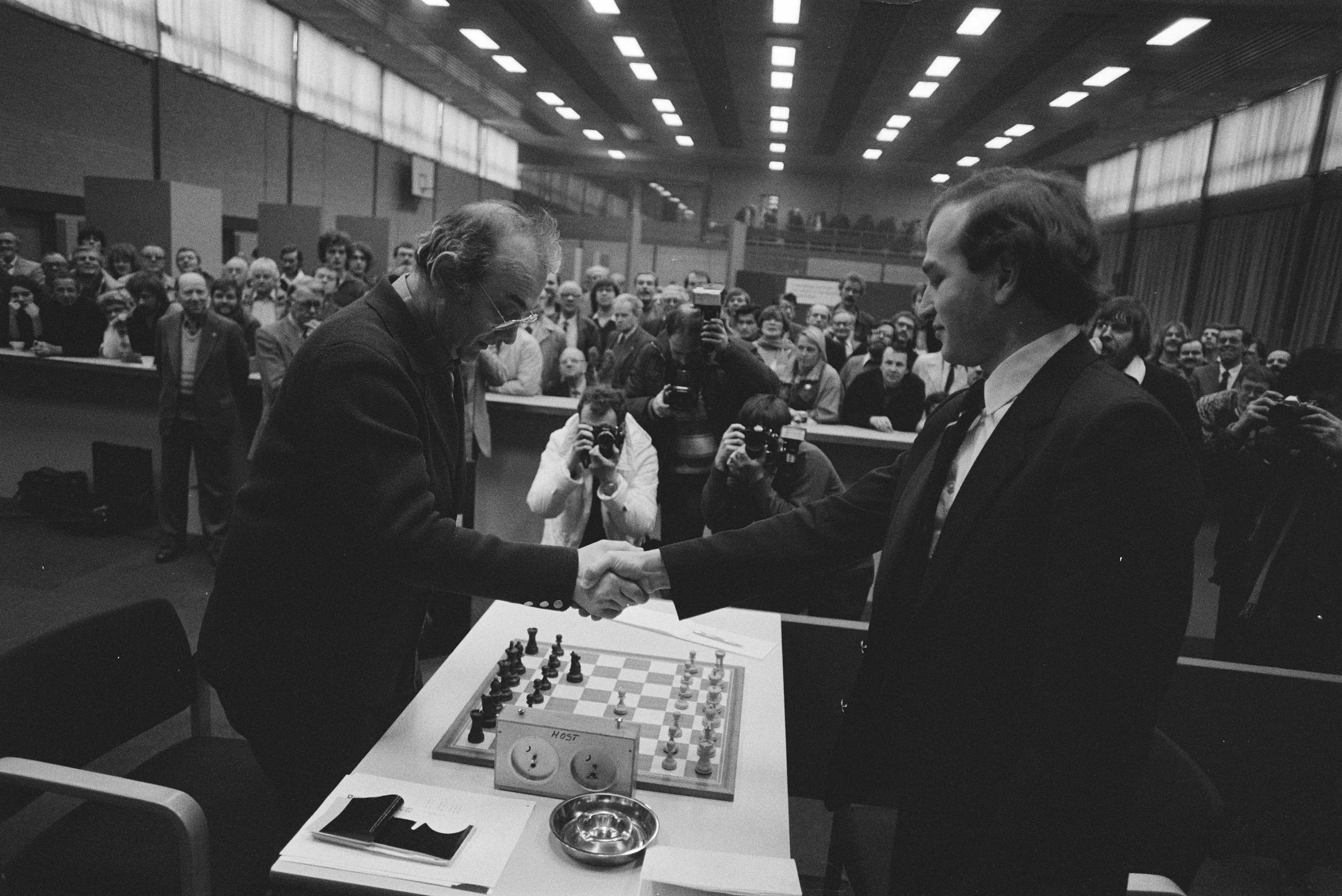
Viktor Korchnoi and Alexander Beliavsky
Style, Contributions, and Historical Significance
Beliavsky’s chess combined classical structure with uncompromising fighting spirit. His repertoire was grounded in traditional openings, yet he avoided sterile play, often preferring dynamic imbalance over safe equality. This approach enabled him to defeat nine undisputed world champions, a rare historical distinction.
Beyond tournament play, his contributions are substantial:
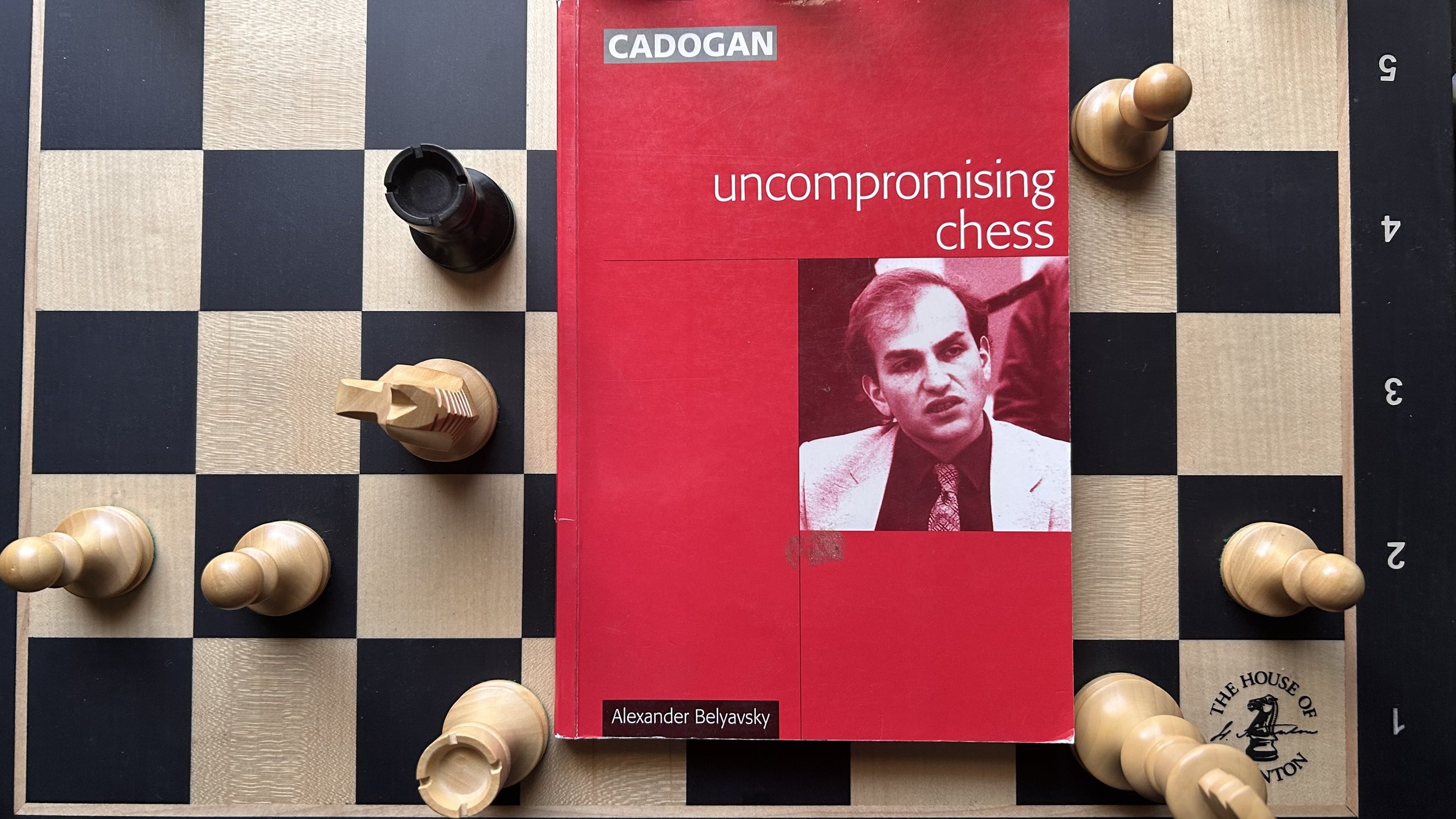
Author of influential works such as Uncompromising Chess and Isolani Strategy
Opening theoretician, particularly in systems like the Fianchetto Grünfeld
Endgame study composer, with multiple prize-winning compositions
Elite trainer and second, including work with Garry Kasparov and later top players
FIDE Senior Trainer (since 2004)
Alexander Beliavsky’s legacy extends far beyond the absence of a world title. He stands as a central figure of late Soviet and post-Soviet chess, distinguished by competitive longevity, intellectual contributions, and sustained influence across multiple generations.
Rather than a near miss in the history of world champions, Beliavsky is best understood as a complete chess professional—player, thinker, and teacher—whose career reflects both the depth and continuity of the modern chess tradition.