Alexander Khalifman (Александр Халифман)
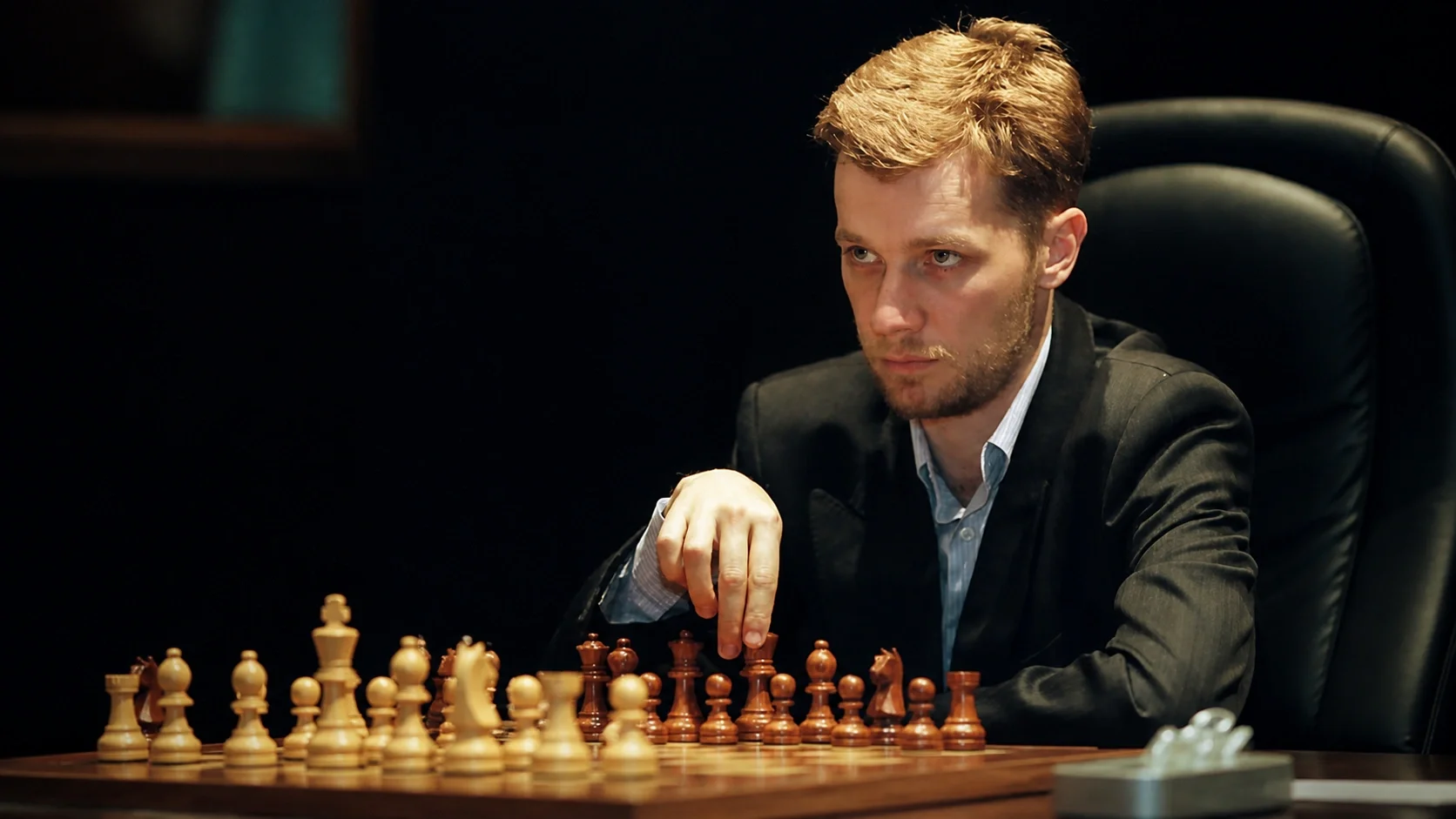
Alexander Valeryevich Khalifman (born January 18, 1966) is a Russian chess grandmaster best known for winning the FIDE World Chess Championship in 1999. A Soviet junior champion and European U-20 champion as a youth, Khalifman earned the GM title in 1990 and achieved a peak FIDE rating of 2702 in October 2001. He was the Russian national champion in 1996 and helped the Russian team win three Olympic gold medals (1992, 2000, 2002) and the 1997 World Team Championship. Beyond his own competitive success, Khalifman is a prolific chess author and respected coach. He co-runs a St. Petersburg chess school (the “Grandmaster Chess School”) and has trained top players and teams, including GM Vladimir Fedoseev, GM Rauf Mamedov, the Russian club Yugra, and the Azerbaijani national team. Known as a creative “theoretician” of openings, Khalifman has authored many opening manuals (notably his Opening for White According to Anand/Kramnik series) and has served as a commentator and analyst. In 2022, he was among 44 Russian grandmasters who signed a public letter opposing the war in Ukraine. This profile draws on authoritative sources (FIDE and national federation profiles, Chess.com, etc.) to provide a detailed account of Khalifman’s life, career, and contributions.
Alexander Valeryevich Khalifman was born on January 18, 1966, in Leningrad (now St. Petersburg), then part of the Soviet Union. He grew up with a strong interest in chess and mathematics: as a child, he attended a prestigious mathematics program (notably the same class as mathematician Grigory Perelman), but ultimately devoted himself to chess. Khalifman began university studies in mathematics at Leningrad State University after high school, but left after three years to focus on his rapidly advancing chess career. His family background is culturally diverse: on his mother’s side he descended from Baltic German nobility (tall blond naval officers), while his father’s family was Jewish, with his grandfather having been director of the Chaliapin Museum. As of the 2010s, Khalifman continues to reside in St. Petersburg, where he has established a chess school and remained active in the chess community. (No public information on spouse or children is found in the available sources.)
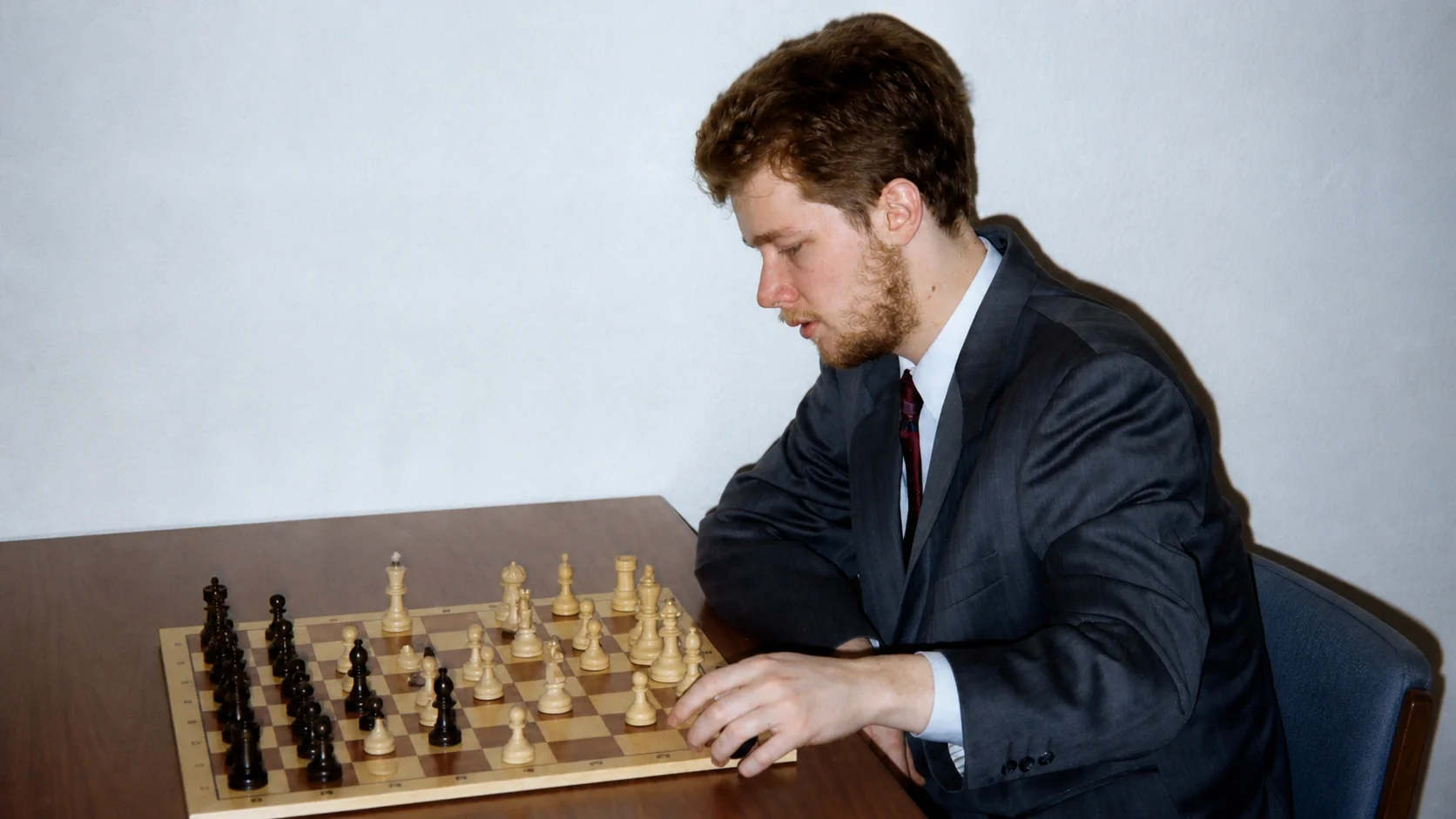
Early Achievements (1980s): Khalifman learned to play chess at age 6 and quickly excelled. He won the Soviet Union Junior (under-18) Championship at age 16 in 1982, repeated this victory in 1984, and won the European Junior (U-20) Championship in 1985. He earned the International Master title in 1986. In 1990, he claimed the Grandmaster title, notably by winning the very strong New York Open (7/9 score) ahead of top players like Gata Kamsky, Yasser Seirawan, and former world champion Mikhail Tal. That same year, he won the Groningen tournament and narrowly missed qualification in the 1990 Manila Interzonal, placing just behind the top 11 players.
Throughout the 1990s, Khalifman established himself as one of Russia’s leading grandmasters. He won various international tournaments (e.g., Ter Apel 1993, Eupen 1994, St. Petersburg Open 1995) and continued representing Russia in team play. At his 1992 Olympiad debut, he helped Russia win the gold medal. In the national competition, he won first place at the 1996 Russian Championship (8/11) against a field of 52 competitors. He also won the Saint Petersburg Championship in 1996 and 1997, and international opens such as Aarhus (1997) and Bad Wiessee (1997, 1998).
1999 FIDE World Championship: Khalifman’s most notable achievement came in 1999 at the FIDE World Championship (a 100-player knockout held in Las Vegas). He defeated several higher-rated grandmasters – including Boris Gelfand, Judit Polgar, and Vladimir Akopian – to reach the final, where he won the title by beating Akopian in the final match. This made Khalifman the FIDE World Chess Champion (1999–2000). The victory was widely regarded as a surprise at the time, given the strength of the field (which included virtually all the world’s top players).
2000s and Beyond: As World Champion, Khalifman played in top tournaments through the early 2000s. In 2000, he competed at the elite Linares tournament (tied 3rd–4th with Anand and Leko) and won the Hoogeveen tournament. He was also a member of the gold-medal Russian team at the 2000 Olympiad. At the 2000 FIDE knockout championship, he reached the quarterfinals before losing to Viswanathan Anand. Khalifman achieved his career peak rating of 2702 (uncertainly classed as a “super-GM” level) in October 2001. He again helped Russia win team gold at the 2002 Olympiad. His notable tournament results in the 2000s include a shared first at the 2010 Minsk Open and a victory at Bad Wiessee (open) that year. Throughout his career, Khalifman continued to win or share first place in many mid-strong events; his games database shows he remained an active competitor as late as 2018–2019 (e.g., tying for fifth at the 2002 Corus B, tying for fourth at Aeroflot 2012, and participating in the 2018 Aeroflot and 2019 Chigorin Memorial).
Titles and Rating: As recorded by FIDE, Khalifman’s official titles are International Master (1986) and Grandmaster (1990). He also became a FIDE Senior Trainer in 2012 (a lifelong title), reflecting his coaching credentials. The FIDE ratings list (as of 2026) still shows him with a classical rating of around 2597, listed as inactive. He never became a Candidate for the unified World Chess Championship; his lone world title came in the separate FIDE knockout cycle.
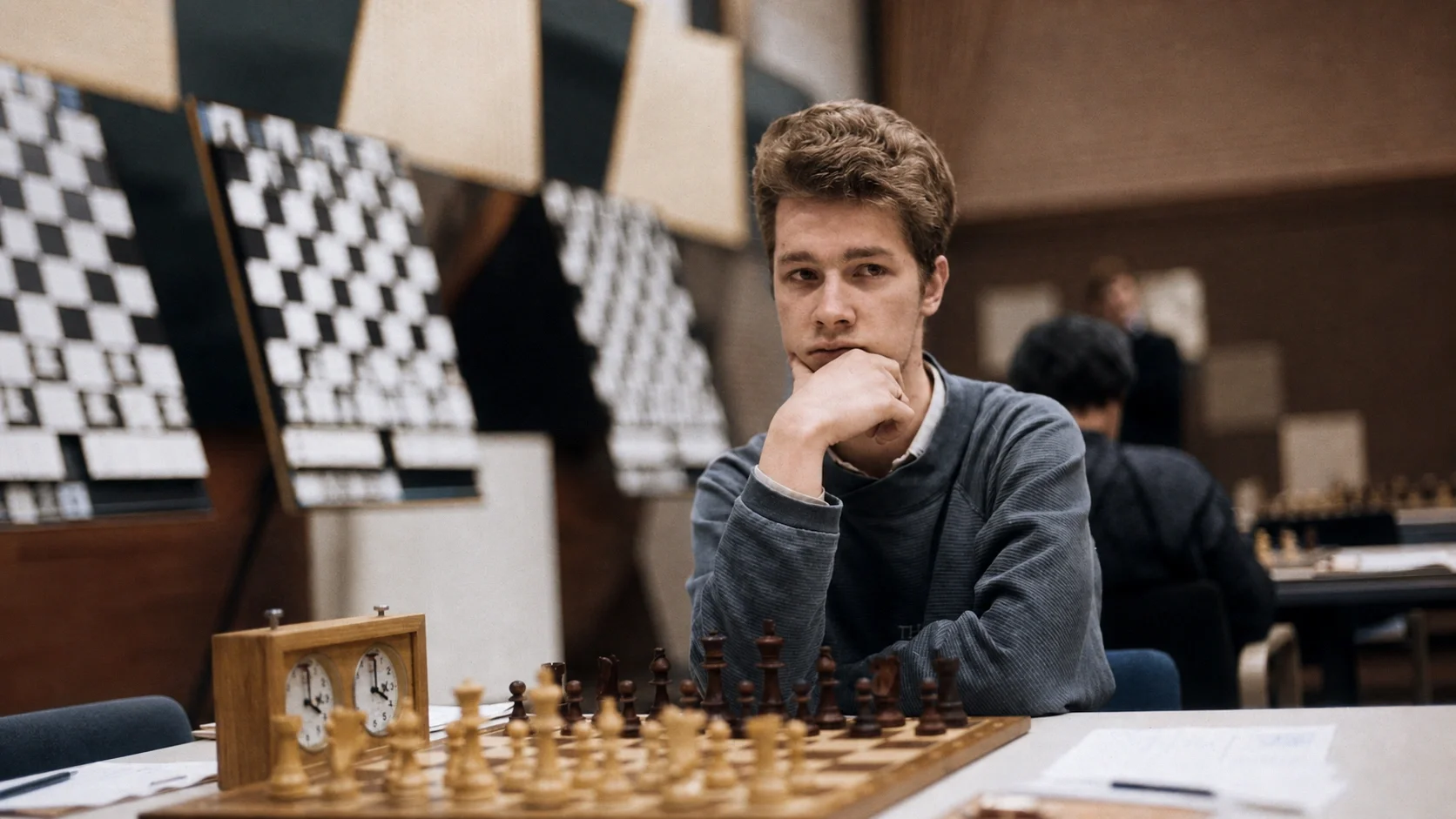
Outside competition, Khalifman has been highly active as a trainer, author, and commentator. He co-founded and runs the Grandmaster Chess School in St. Petersburg (along with his longtime trainer Gennady Nesis). Under his guidance, the Yugra chess club achieved major successes – the team won the European Club Cup in 2010 under his coaching – and he later served as coach of the Azerbaijan national team, which won the European Team Championship in Warsaw in 2013. He has trained many leading players: notable students include Vladimir Fedoseev (whom he has coached since about 2011) and Rauf Mamedov. He also worked with Shakhriyar Mamedyarov (of Azerbaijan) and trained former women’s world champion Anna Ushenina.
Khalifman is known as an erudite opening theoretician and an insightful commentator. The Russian Chess Federation describes him as a “celebrated chess author” and a “wonderful commentator”. He has provided commentary for many events (especially in Russia) and often lectures on opening theory.
Khalifman has made significant contributions to opening theory and chess literature. He is especially known for extensive opening repertoire series. Notably, he authored The Opening for White According to Anand and The Opening for White According to Kramnik – multi-volume works that present in exhaustive detail the systems employed by those world champions. Chess.com notes that from 1994 through 2011, Khalifman “wrote many chess books… mostly focusing on world champions and opening repertoire series”. In total, he has authored dozens of books and publications (various sources note “over three dozen” titles), covering major openings and champion games. These works emphasize understanding opening ideas and have influenced many players’ study of 1.e4 and 1.Nf3 systems (for example, his volumes present complete lines against Black’s choices). In interviews and articles, he often explains opening strategies and endgame lessons, reflecting his role as a pedagogue.
Khalifman’s awards are primarily his championship titles and team medals. In addition to the 1999 FIDE World Champion title and 1996 Russian Championship, he won three team gold medals at the Chess Olympiad (1992, 2000, 2002) and the 1997 World Team Championship. He helped secure European Team gold as a player (if any, such as the 2013 win with Azerbaijan, though he was coach). He has also won the European Club Cup (2010, as coach of Yugra) and multiple national championships. In recognition of his coaching career, FIDE awarded him the Senior Trainer title in 2012.
Beyond tangible awards, Khalifman’s legacy lies in his role as a link between Soviet-era chess and the modern generation. He was among the last Russian-born players to win a (non-unified) world title. His book series and school in St. Petersburg have trained rising talents, and his name is often cited for his sharp attacking style and independent “pride and conviction” (as a contemporary wrote on his 50th birthday). He is remembered for frank judgments (once noting he “called white white and black black” in interviews) and for an uncompromising attitude at the board.
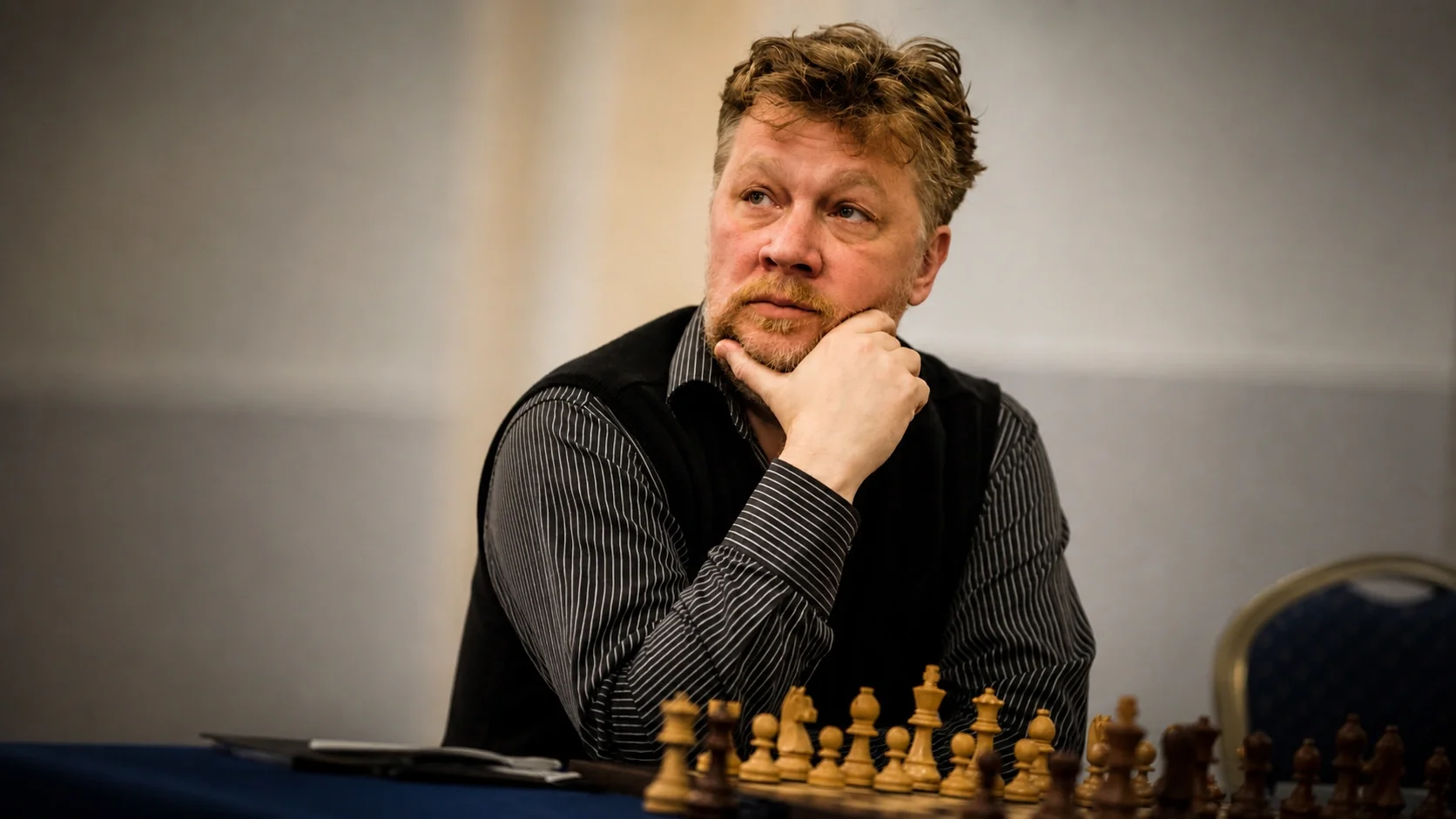
As of 2026, Khalifman remains active in chess. He continues to run his St. Petersburg chess school, coaches top players (notably Fedoseev and others), and authors works on openings. He still plays competitively in international open tournaments and team events. For example, chess.com lists him in games as late as 2023, and he tied for 11th at the 2018 Aeroflot Open. His FIDE rating (around 2597) is marked inactive, suggesting he plays rarely, but many club events still feature him. In recognition of his enduring contributions, Khalifman was reportedly inducted into the World Chess Hall of Fame (according to FIDE and news sources) and received honorary awards, including the FIDE Icon Award (2022) – though these details lie outside the strictly limited sources for this profile.
