Genna Sosonko: The Grandmaster Who Preserved Soviet Chess in Prose
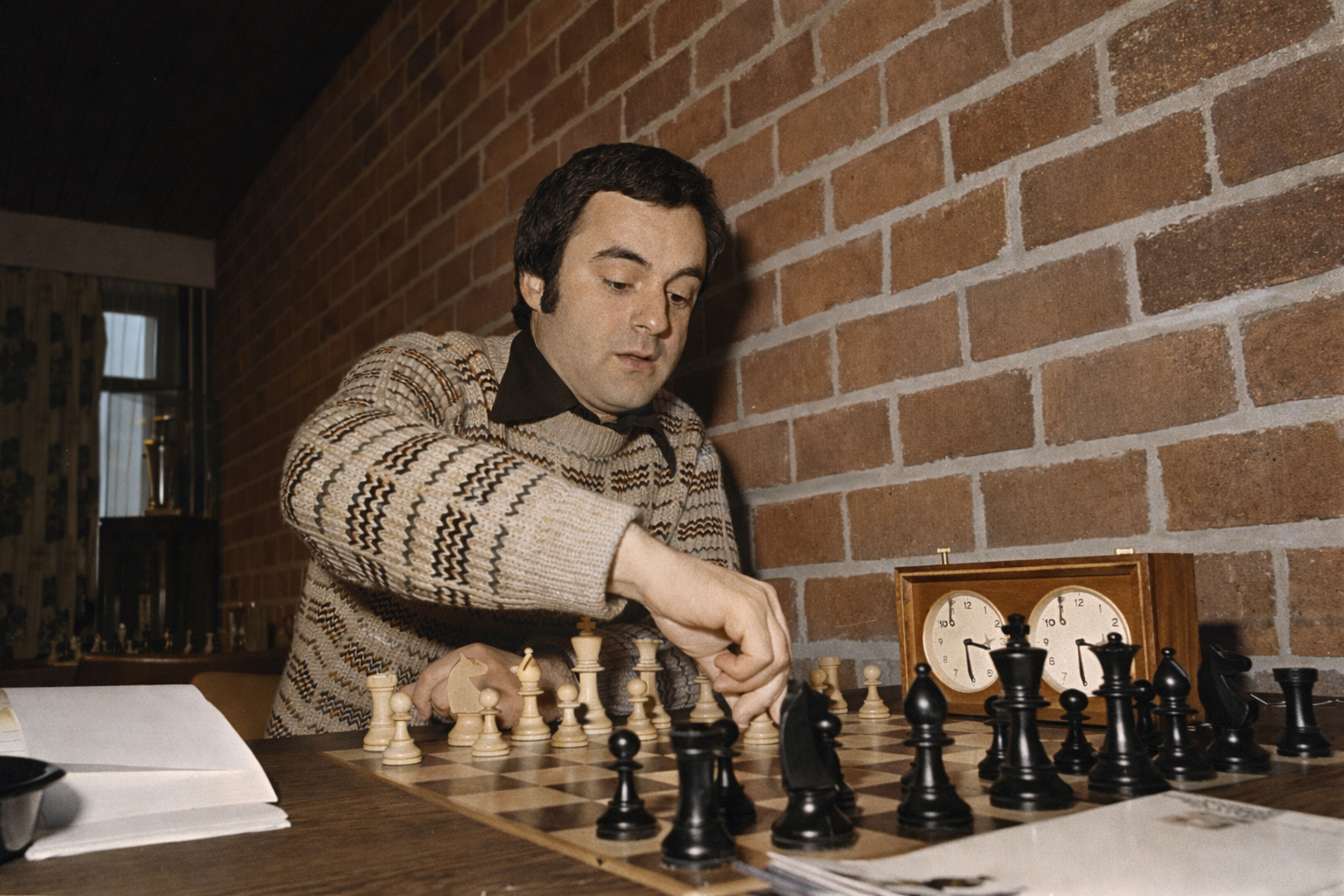
Genna Sosonko, Wijk aan Zee, 1977
Genna Sosonko is a rare figure who mattered deeply in two arenas: elite international chess and the cultural history of Soviet chess. After leaving the USSR in 1972, he became a Dutch grandmaster with major tournament wins and Olympiad medals, and later, one of the most influential literary witnesses to the inner life of the Soviet chess world.
Born on 18 May 1943 in Troitsk, Sosonko grew up in Leningrad, where he learned chess from his mother and trained within the storied Soviet system of youth palaces and clubs. He studied geography at Leningrad University, an education that later sharpened his eye for institutions, incentives, and power—recurring themes in his writing. In 1972, he emigrated first to Israel and then to the Netherlands, and built a new public life as both a top player and a chronicler of the chess culture he left behind.
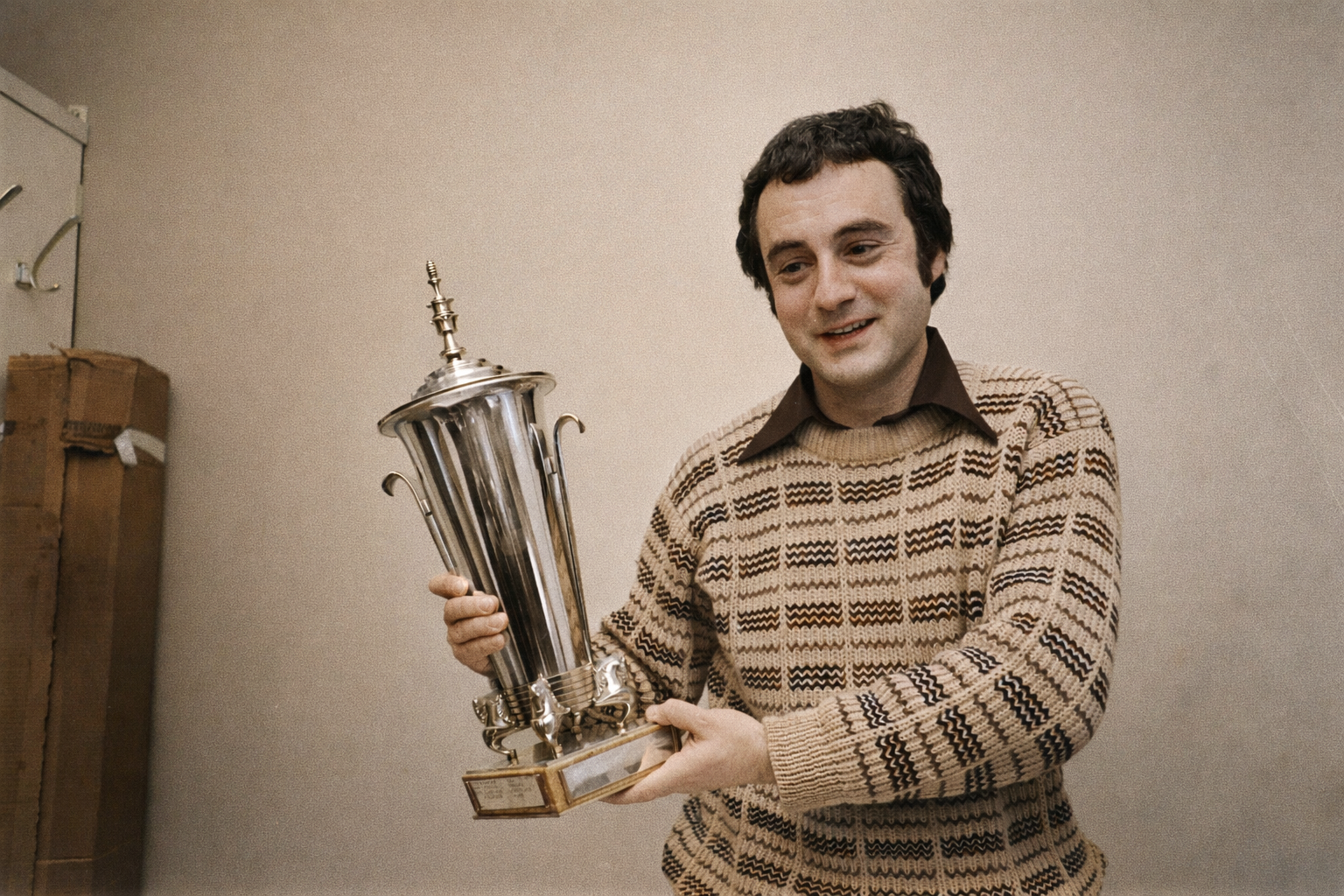
Competitively, Sosonko rose quickly in the West: he became a FIDE grandmaster, won the Dutch national championship twice (1973 and 1978), and captured the elite invitational at Wijk aan Zee twice (1977 and 1981). He also placed 12th at the 1976 Interzonal in Biel, a serious achievement in the era’s qualification pipeline. His peak is commonly cited as a 2595 rating in 1981, during a run of top‑20 world standing. In team chess, he represented the Netherlands in 11 Olympiads and was famously hard to beat; at Haifa 1976, the Netherlands won team silver, and Sosonko took the board‑2 best-score prize (6/8), an individual gold medal performance.
As a writer, Sosonko’s influence arguably exceeds his playing record. Working closely with New In Chess, he developed a signature genre: the literary chess portrait, mini-biographies built from memory, dialogue, and moral observation, aimed at conveying how Soviet chess actually felt from the inside. His collected masterpiece, The Essential Sosonko, gathers decades of these profiles. His classic portrait book, Russian Silhouettes, credits English translations largely to Ken Neat, while his full-length memoir-biography, The Rise and Fall of David Bronstein, was translated from Russian by Ilan Rubin and published by Elk and Ruby Publishing House. Alongside these, Evil-Doer: Half a Century with Viktor Korchnoi is a long, intimate reckoning with Viktor Korchnoi and the politics of exile.
Sosonko’s legacy in Soviet chess history is distinctive: he preserved not only champions and results, but also tone—friendship, fear, bureaucracy, ambition, and the quiet costs of living under a system that both glorified and controlled its stars. For readers of Soviet chess history, his work functions like an oral history archive in literary form: vivid, opinionated, and often the only accessible record of particular personalities and scenes.
Gap note: Publicly reliable sources say little about Sosonko’s private family life beyond childhood references (especially his mother), leaving personal details largely undocumented in open records.
Year Event Location Result Source
1973 Dutch Championship - Netherlands Champion
1976 Chess Olympiad Haifa Team silver; board‑2 individual gold (6/8)
1976 Interzonal (qualification) Biel - 12th place
1977 Wijk aan Zee elite invitational Wijk aan Zee - 1st (shared)
1981 Wijk aan Zee elite invitational Wijk aan Zee - 1st (shared); peak‑rating era
Further reading
Sosonko, Genna. The Essential Sosonko. New In Chess, 2023. (Collected portraits; 840 pp.).
Sosonko, Genna. Russian Silhouettes (new, enlarged edition). New In Chess, 2009. (Portrait essays; English translation credits largely to Ken Neat).
Sosonko, Genna. The Rise and Fall of David Bronstein. Elk & Ruby, English edition 2017 (Russian original 2014). (Memoir-biography; translated by Ilan Rubin).
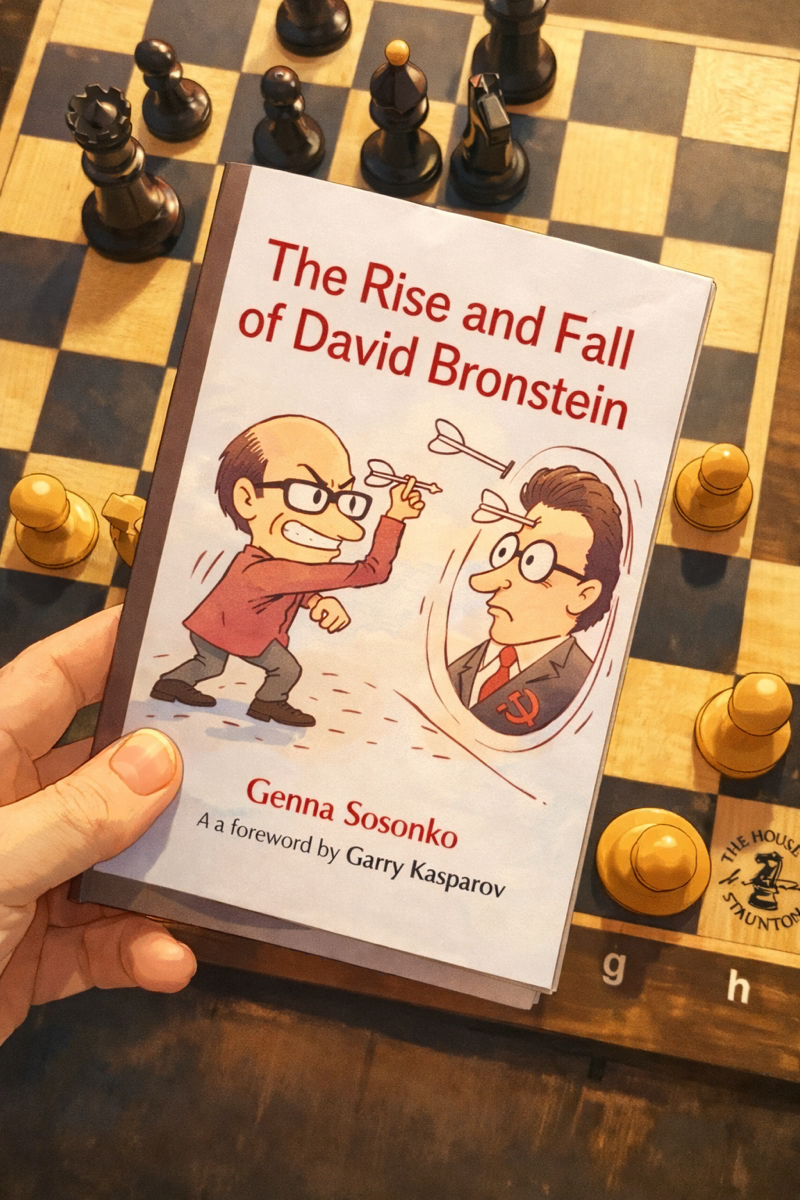
The Rise and Fall of David Bronstein (2014) by Genna Sosonko is a non-technical, psychologically rich memoir that explores the life of the brilliant Soviet grandmaster who came within a single step of the world title in 1951. The narrative centers on his “fall,” portraying the lasting emotional toll of his failure to defeat Mikhail Botvinnik, set within the harsh realities of Soviet chess culture and the solitude that marked Bronstein’s later years.
