Igor Bondarevsky (Игорь Бондаревский)
Early Life and Education
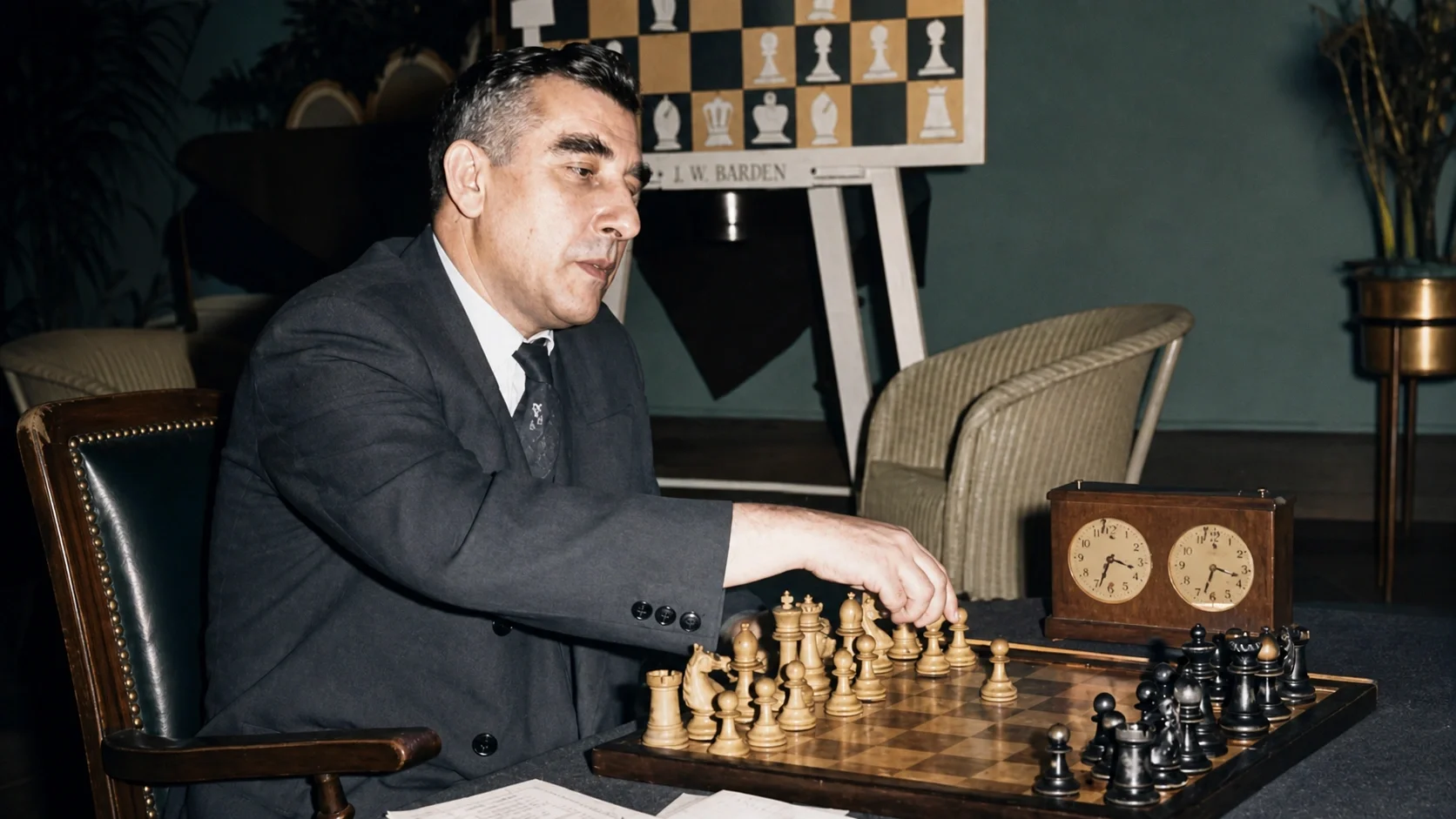
Igor Zakharovich Bondarevsky was born on May 12, 1913, in the Rostov region of the Russian Empire (near Rostov-on-Don). He developed an interest in chess at the age of 12 and quickly became active in the local chess scene. As a teenager, he won the championship of Rostov-on-Don and even led a chess club at the city’s Palace of Pioneers by 1930. Alongside chess, Bondarevsky pursued formal education; he trained as an engineer-economist, which provided him with a professional career outside the chessboard. This dual path – academic training in economics and passion for chess – defined his early development. By the mid-1930s, Bondarevsky’s chess talent was evident, and he earned the Soviet title of Master of Sport in chess in 1937, marking him as one of the country’s prominent young players.
Rise in Competitive Chess and Playing Career
Bondarevsky (right) receiving the Hamilton-Russell Cup on behalf of the Soviet team after winning the 1954 Chess Olympiad in Amsterdam. His competitive chess career took off in the 1930s and peaked in the 1940s. Bondarevsky made his debut in the USSR Chess Championship in 1937 and went on to play in a total of nine USSR Championships during his career. His first major breakthrough came in 1936, when he dominated an All-Union first-category tournament in Leningrad with an undefeated 11½/14 score. This victory earned him a spot in the 1937 Soviet Championship, where he held his own against the nation’s best. Over the next few years, Bondarevsky steadily improved his results: by 1939, he placed 6th in the USSR Championship, cementing his status in the Soviet chess elite.
Bondarevsky reached the pinnacle of his playing career in 1940. In the 12th USSR Championship (Moscow 1940), he tied for first place with Grandmaster Andor Lilienthal, ahead of future world-class players like Paul Keres, Isaac Boleslavsky, and even the great Mikhail Botvinnik. This result made Bondarevsky co-champion of the Soviet Union for 1940 – a remarkable achievement given the strength of the field. To determine an absolute champion, a special six-player round-robin (the so-called “Absolute USSR Championship”) was organized in 1941. Bondarevsky participated alongside Botvinnik, Keres, Smyslov, Boleslavsky, and Lilienthal – six of the world’s strongest players at the time. Although Bondarevsky finished last in this elite tournament (which Botvinnik won), his presence in such a celebrated event underscores his standing as a top Soviet master.
After World War II, Bondarevsky continued to make his mark. He represented the USSR in international competition and was part of the Soviet team’s success in the 1950s. Notably, he served as a team captain/representative for the USSR, and he received the Hamilton-Russell Cup on behalf of the Soviet side when they won the 1954 Chess Olympiad in Amsterdam. In individual play, Bondarevsky excelled in the 1948 Interzonal tournament in Saltsjöbaden, tying for 6th–9th place, which earned him qualification for the 1950 Candidates Tournament – the final stage in the World Championship cycle. Unfortunately, he was unable to participate in the 1950 Candidates (held in Budapest) due to illness. This health setback curtailed his chances to fight for the World Championship title.
Nonetheless, Bondarevsky remained an active competitor into the early 1960s, though he played fewer events. A highlight of his later tournament career was his performance at the Hastings International Chess Congress 1960/61, where he finished second behind Yugoslav GM Svetozar Gligorić. By this time, Bondarevsky had transitioned to a more selective playing schedule, focusing on other avenues of chess. FIDE honored him as one of the inaugural International Grandmasters in 1950 – he was among 27 players to receive the title when it was first formally introduced. He also earned the title of International Arbiter in 1954, reflecting his knowledge of the game’s laws and his reputation for integrity. Uniquely, Bondarevsky achieved grandmaster status not only in over-the-board play but also in correspondence chess; he was awarded the International Grandmaster of Correspondence Chess title in 1961. This double distinction testifies to his versatile mastery of chess.
Playing Style and Notable Achievements
In his prime, Bondarevsky was known for a solid and positional style of play, avoiding undue risks and excelling in strategic battles. Contemporary accounts often describe him as a “calm strategist”, especially in contrast to more tactical players of his era. He was adept at deep planning and endgame technique, qualities that later became hallmarks of his coaching philosophy. Bondarevsky could handle complex positions with patience and logic, which helped him compete against the sharpest attacking players. In fact, during the late 1930s and 1940s he scored well in highly competitive Soviet championships, even as he faced tactical giants. He also had an eye for combinations when opportunities arose – for example, one of his games against Lilienthal was acclaimed and earned a brilliancy prize in a Soviet tournament (an indication that despite his positional preference, he could conduct vigorous attacks when advantageous).
Bondarevsky’s peak competitive strength is evidenced by retrospective rankings: chess historians estimate he was among the top 15 players in the world during the 1940s, based on performance and rating metrics of the time. His co-victory in the 1940 USSR Championship, and the fact that he contended with legends like Botvinnik and Keres on equal terms, speak to his elite caliber. For his successes, Bondarevsky was recognized by Soviet sports authorities – he was awarded the title Honored Master of Sport of the USSR in 1948, a prestigious honor given to athletes who achieve outstanding results. This honorific underscored that Bondarevsky’s chess achievements were not just personal milestones but also sources of national pride during the golden age of Soviet chess.
Theoretical Contributions to Chess
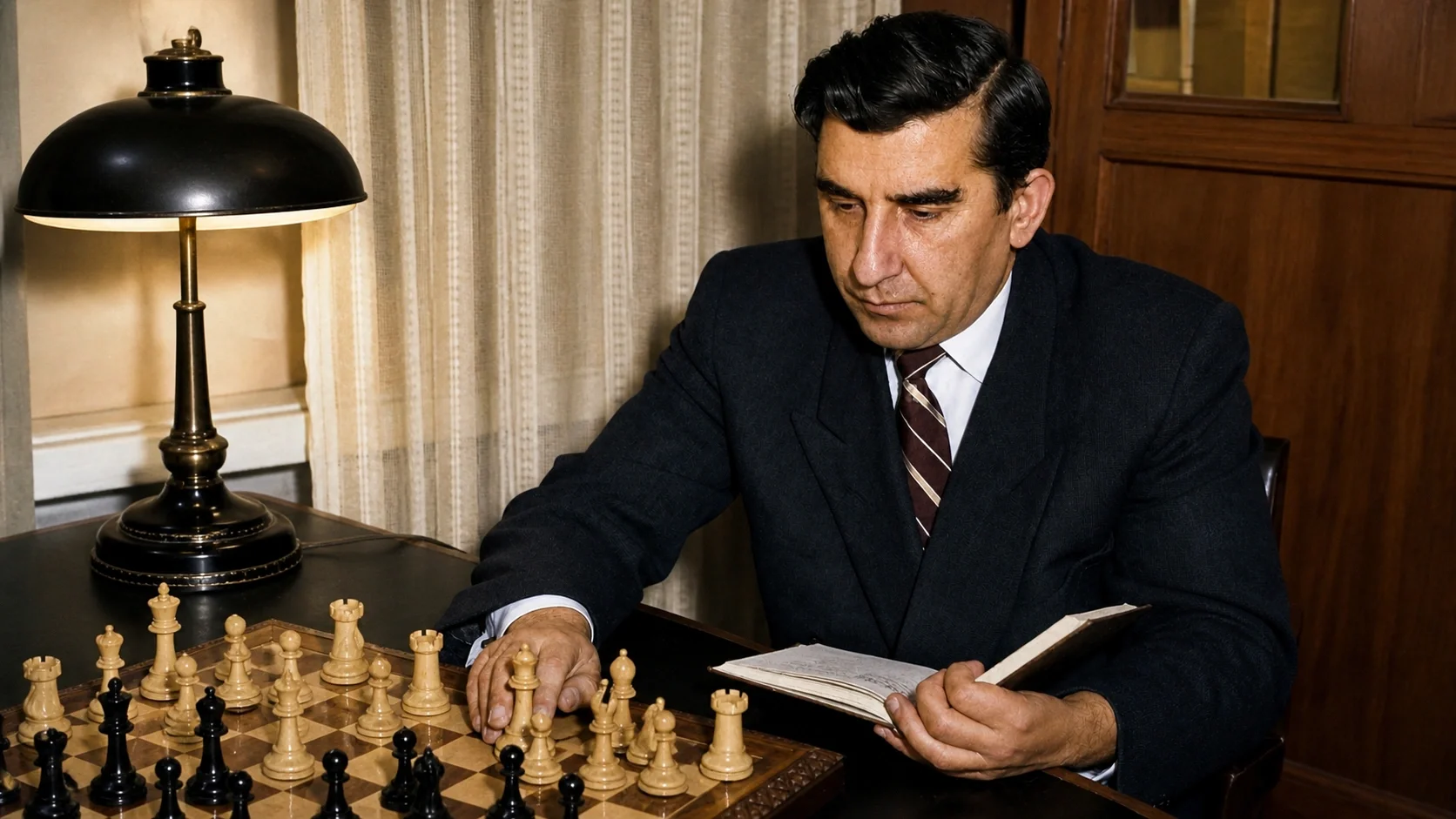
In addition to his playing exploits, Bondarevsky made significant contributions to chess opening theory and strategy. He was regarded as a deep chess thinker and theoretician, often working on new ideas and analyses that influenced top-level play. One of his most enduring legacies is his role in developing the Queen’s Gambit Declined – Tartakower Variation, which in the Soviet literature is often called the Tartakower–Makogonov–Bondarevsky System (TMB System). This is a solid but dynamic defensive system for Black in the Queen’s Gambit Declined, characterized by a timely ...b7–b6 and ...Bb7 fianchetto to fortify Black’s position. Originally introduced by Saviely Tartakower in the 1920s, the system was further refined by Soviet masters in the 1940s. Bondarevsky, together with Vladimir Makogonov, contributed analytical ideas and improvements that strengthened this line. The Tartakower–Makogonov–Bondarevsky System became a mainstay of Soviet championship play – Botvinnik and many others adopted it – and it remains a respected variation of the Queen’s Gambit Declined to this day. Bondarevsky’s name attached to this system is a testament to his analytical creativity in opening preparation.
Beyond specific opening lines, Bondarevsky’s theoretical impact can be seen in his writings and the training of his students. He was the author of several chess books that distilled high-level concepts for a broader audience. For example, his book “Комбинации в миттельшпиле” (Combinations in the Middlegame, 1960) focused on tactical patterns and the art of attack in the middle phase of the game. Another book, “Атака на короля” (Attack on the King, 1962), offered insights into conducting king-side assaults. While these titles suggest an emphasis on tactics, Bondarevsky always grounded tactical play in solid positional foundations. Indeed, in his writings he often stressed classical principles – piece development, strong pawn structures, and the transition to favorable endgames – as prerequisites for successful combination play.
As a theoretician, Bondarevsky did not limit himself to openings; he also delved into match strategy and preparation. In the early 1970s, when assisting Boris Spassky (then World Champion) in preparations, Bondarevsky authored detailed training programs that included psychological and strategic planning against specific opponents. For the 1972 Spassky–Fischer match, Bondarevsky outlined a comprehensive plan that covered psychological study of Fischer’s style, tailored opening preparation to exploit the opponent’s weaknesses, and even physical conditioning for the long match. This holistic approach to chess preparation – treating chess as a multi-dimensional discipline – was ahead of its time and has since become standard in top-level chess (where players routinely prepare targeted strategies and maintain physical fitness). In summary, Bondarevsky’s contributions to chess theory were both concrete (in the form of opening innovations) and conceptual (in terms of training methodology and match strategy). His work earned him a place among the respected chess thinkers of his era, and he is rightfully listed as one of the leading chess theoreticians produced by the Soviet school.
Coach and Mentor of Champions
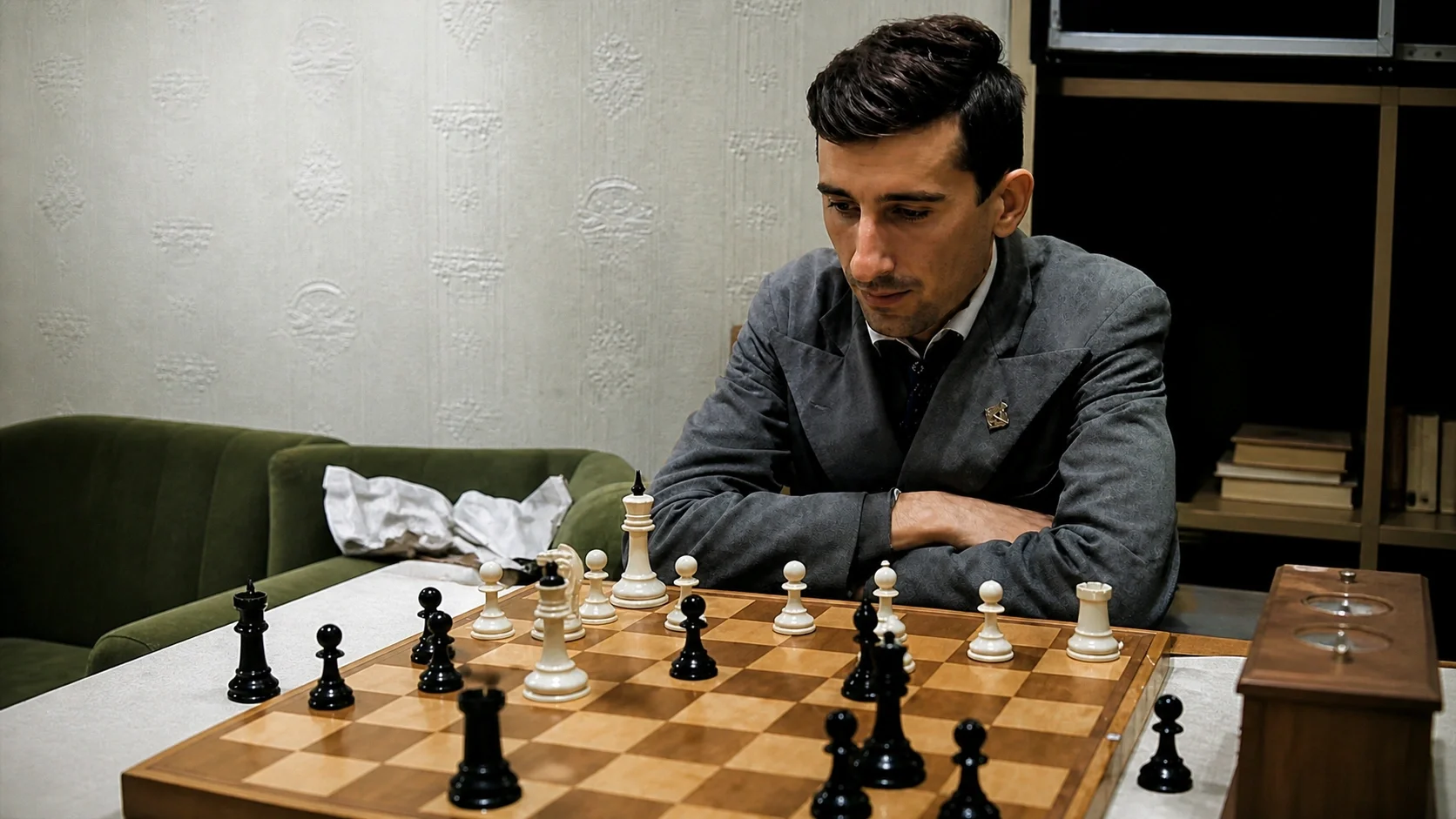
Bondarevsky is perhaps most celebrated for his second career as a chess coach and trainer, in which he achieved legendary status by guiding others to the pinnacle of world chess. He had a profound influence on the Soviet chess training system, pioneering methods of instruction that combined rigorous analysis with practical discipline. In recognition of his coaching excellence, he was awarded the title Honored Coach of the USSR in 1966, a title reserved for coaches who produce top-class results (in Bondarevsky’s case, the emergence of a world champion under his tutelage).
His most famous student was Boris Spassky, whom Bondarevsky began coaching in the early 1960s. When Bondarevsky took over, Spassky was a talented grandmaster who had not yet fulfilled his full potential. Bondarevsky’s influence was immediate and transformative. He instilled in the young Spassky a much stronger work ethic and a broader, more resilient playing style. Known earlier for his attacking flair (honed under previous coach Alexander Tolush), Spassky under Bondarevsky evolved into a more universal player, capable of both aggression and calm positional play. Contemporary observers noted that Spassky’s switch from the “volatile attacker” Tolush to the “calmer strategist” Bondarevsky proved to be “the key to his resurgence” in the 1960s. Indeed, shortly after teaming up with Bondarevsky, Spassky won the Soviet Championship (1961) for the first time, a breakthrough attributed to Bondarevsky’s training regimen.
Bondarevsky’s coaching methodology was ahead of its time and contributed significantly to Soviet training practices. According to Spassky himself, Bondarevsky was the best trainer he ever had, largely because of his emphasis on the middlegame and overall understanding rather than rote opening memorization. A typical training session with Bondarevsky would involve Spassky solving complex middlegame positions without moving the pieces, under tournament conditions (using a chess clock). This exercise sharpened Spassky’s calculation and deepened his positional insight. Bondarevsky believed that by training the mind to handle critical middlegame decisions and to formulate long-range plans, a player builds the strength to handle any situation – an approach that complemented Spassky’s natural tactical talent with strategic clarity. Spassky later recalled an instance from his youth: Bondarevsky gave him an exceptionally subtle position to analyze, and after Spassky found the correct solution entirely in his head, Bondarevsky told him, “Someday you will probably become a world champion”. This confidence and vision bore fruit as Spassky went on to claim the World Championship in 1969.
Under Bondarevsky’s guidance, Spassky also learned the importance of psychological preparation and adaptability. Bondarevsky taught him never to let an opponent be in their comfort zone – a strategy of steering games into channels unfavorable for the opponent’s style. Chess historians note that Spassky’s Candidates’ match victories in 1965 (over Keres, Geller, and Tal) showed a new level of psychological insight and versatile preparation: he would calmly go into endgames against tactical wizards or complicate matters against positional players. Much of this versatility was credited to Bondarevsky’s training, which “broadened and deepened” Spassky’s style. Grandmaster Mihail Marin and trainer Karsten Müller have remarked that Bondarevsky’s influence made Spassky a more complete player, especially improving his positional play – a factor that helped Spassky overcome the ultra-positional Tigran Petrosian in their 1969 World Championship rematch. Bondarevsky essentially helped Spassky add a strong strategic bow to his tactical arrow, forging a “universal” chess style that was very hard to beat.
Aside from Spassky, Bondarevsky trained or assisted many other Soviet grandmasters over the years. He was involved with training the Soviet national team and top contenders of the 1960s and 70s, often as part of coaching teams for major events. For his collective achievements as a trainer, he was honored with the USSR Order of the Badge of Honor in 1957, recognizing his contribution to Soviet sport. Bondarevsky’s own chess experience – as a top player who had faced the likes of Botvinnik – gave him a rich reservoir of knowledge to impart. He was known to be a strict disciplinarian in training, expecting his pupils to study diligently. Yet, he was also admired for his genuine care for his students’ improvement. This combination of strictness and support was a hallmark of the Soviet coaching philosophy that Bondarevsky exemplified.
The 1972 Fischer–Spassky Match Episode
An important chapter in Bondarevsky’s coaching career was the 1972 World Championship match, where his mentorship with Spassky encountered challenges. In the run-up to the match against Bobby Fischer, Bondarevsky initially served as Spassky’s head coach and drew up extensive preparation plans. However, as World Champion, Spassky had gained a degree of independence and was perhaps less receptive to Bondarevsky’s authority. There were tensions in the training camp: Bondarevsky insisted on a rigorous regimen, famously warning Spassky, “If you don’t work, you’ll lose the match,” which Spassky resented. Another Soviet grandmaster, Efim Geller, was part of the team and covertly criticized Bondarevsky’s methods as old-fashioned, telling Spassky that Bondarevsky was lagging behind modern opening theory. Unfortunately, Spassky heeded this advice. In February 1972, Spassky requested Bondarevsky’s removal, claiming that his longtime coach had “fallen behind in theory and practice lately” and lacked faith in their success. Bondarevsky resigned from the training team just months before the historic match.
Many commentators believe this split was a serious mistake on Spassky’s part. Bondarevsky’s departure deprived Spassky of a wise steadying hand during the match’s psychological battles. A Soviet report later lamented that Spassky “lost a man who was an epitome of wisdom, determination, clarity and work ethic” in the most critical moment. Indeed, through the tumultuous 1972 match, Spassky’s camp was plagued by disorder and infighting, and Spassky struggled with psychological pressure – areas where Bondarevsky might have provided guidance. After losing the title to Fischer, Spassky came to regret the falling-out. He reconciled with Bondarevsky and sought his advice again in later years. This episode, while unfortunate, further cemented Bondarevsky’s reputation: even in absence, his importance was felt, and it highlighted the depth of trust and expertise he brought as a coach.
In summary, Bondarevsky’s career as a trainer had an immense impact on Soviet chess. He cultivated Boris Spassky into a world champion and in doing so demonstrated the effectiveness of the Soviet training approach – rigorous analysis, all-around preparation, and psychological resilience. He helped professionalize coaching in chess, showing that a second or trainer could elevate a player’s level significantly. Bondarevsky’s methods and success were emulated by others, and elements of his training philosophy (such as intensive middlegame study and opponent-specific preparation) became staples of chess coaching globally.
Writing, Editing, and Contributions Outside the Board
Outside of playing and coaching, Bondarevsky was active as a chess author, columnist, and analyst, contributing to the rich literature of chess in the Soviet Union. He wrote numerous books and articles that aimed to educate and inform players, from beginners to fellow grandmasters. His early authorship included tournament books: immediately after his greatest competitive triumph, Bondarevsky published “20 партий XII Всесоюзного шахматного первенства” (“20 Games of the 12th USSR Championship”) in 1941, analyzing games from the 1940 Soviet Championship which he had won. This work not only provided instructive commentary on high-level games but also preserved the legacy of that landmark tournament during the war-torn era.
In the 1950s, Bondarevsky turned his pen to documenting Soviet chess achievements abroad. He authored “Советские шахматисты в США, Англии, Швеции” (“Soviet Chess Players in the USA, England, Sweden”) in 1955, a book recounting and analyzing the post-war international tours and tournaments where Soviet grandmasters, including himself, demonstrated their prowess to the world. He also co-authored (with GM Isaac Boleslavsky) a book on the 1969 World Championship match“Петросян – Спасский, 1969” (published 1970), offering an insider’s perspective on the games between Petrosian and Spassky. These publications were both educational and propagandistic – showcasing Soviet chess might – and Bondarevsky’s clear instructional style was highly respected. In addition, he wrote primers such as “Учитесь играть в шахматы” (“Learn to Play Chess”, 1966) aimed at newcomers, reflecting his desire to cultivate chess understanding at all levels.
Bondarevsky’s contributions outside chess also included his work as an economist. Described as “an economist by profession,” he balanced his chess activities with a career in economics, especially in the post-war years. In 1966, he relocated to the city of Pyatigorsk in southern Russia, where he lived and worked for the remainder of his life. It is likely he took up an economic post or was involved in academic work there, though details of his economic career are less documented than his chess exploits. Nonetheless, his analytical skills in chess perhaps mirrored the analytical rigor of an economist. Bondarevsky was also an International Arbiter, and he occasionally served as a referee or judge in major competitions, leveraging his authoritative understanding of the rules.
Throughout his life, Bondarevsky remained a respected figure in Soviet intellectual and sporting circles. The Soviet government recognized his contributions by awarding him the Order of the Badge of Honor in 1957, citing his success in promoting physical culture and sports – a sign that his chess victories and training achievements were seen as part of the USSR’s national prestige. Politically, like many top Soviet players, Bondarevsky was a member of the USSR’s sports organizations and likely the Communist Party, working within the system that supported chess as a symbol of Soviet cultural supremacy. However, he was not a political functionary per se; his “political” contribution was mainly through chess diplomacy – helping demonstrate Soviet dominance in the intellectual arena.
Legacy and Influence on Soviet and Global Chess
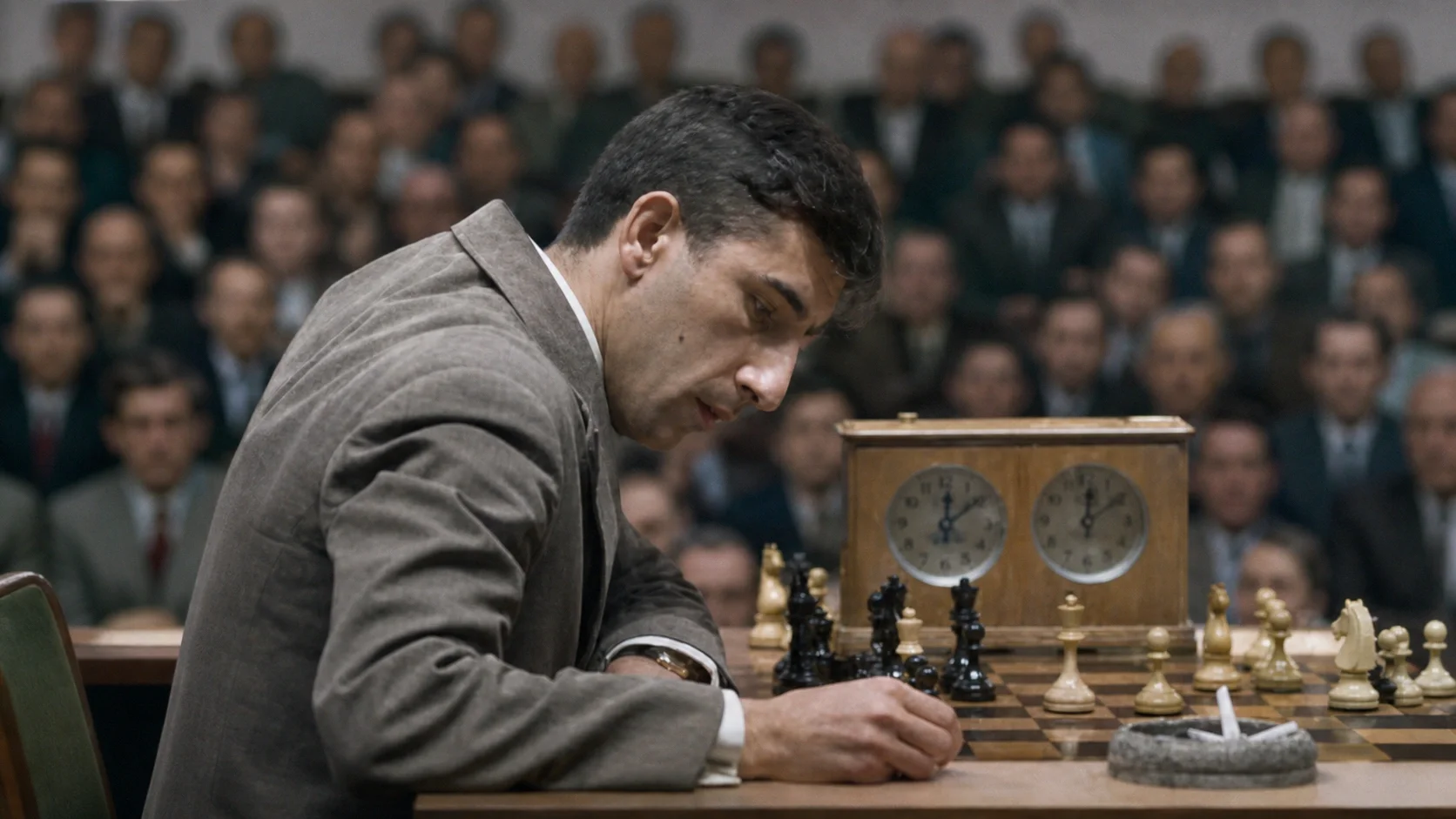
Igor Bondarevsky’s legacy is rich and multifaceted, reflecting his roles as a champion player, a masterful coach, and a thought leader in chess. In the Soviet Union, he came to be regarded as one of the founding fathers of the Soviet chess school, even if his name is less famous internationally than some of his contemporaries. As a player, he proved that a product of the Soviet training system could reach world-class strength, and his 1940 Soviet Championship victory (in a field including legends) remains a celebrated chapter in Soviet chess history. Chess historians often cite Bondarevsky as an exemplar of the strong Soviet generations that bridged the gap between the old masters (like Alekhine and Euwe) and the post-war champions (Botvinnik, Smyslov, etc.). Although Bondarevsky never played for the World Championship, his close involvement in the Candidates cycle and team Olympiads ensured he had a say in chess affairs at the highest level.
Bondarevsky’s long-term influence is most palpable in the realm of coaching. By mentoring Boris Spassky to the world title, Bondarevsky helped secure the Soviet grip on the World Championship through the 1960s. The methods he employed – rigorous analysis of opponents, cultivating all-around styles, emphasis on fitness and psychology – were studied and emulated by other trainers. In many ways, Bondarevsky was a prototype of the modern chess second: part strategist, part analyst, part psychologist. Future Soviet world champions, from Anatoly Karpov to Garry Kasparov, would also rely on teams of trainers, and the template for that owes something to Bondarevsky’s approach with Spassky. Spassky himself consistently praised Bondarevsky’s influence, even decades later, acknowledging that the “great strength in the middlegame” he acquired was largely due to Bondarevsky’s coaching. Such tributes from a world champion underscore the enduring esteem Bondarevsky earned as a mentor.
In chess literature, Bondarevsky’s writings continued to educate players after his death. His analyses in books and magazines enriched understanding of both specific games and general principles. The Tartakower–Bondarevsky–Makogonov System in the Queen’s Gambit is a permanent theoretical monument carrying his name, ensuring that every serious student of that opening learns of Bondarevsky’s contribution. On the global stage, the fact that the Soviet Union produced an unbroken line of champions for decades is partly attributed to the strong coaching culture – and Bondarevsky was among the first grandmasters to prioritize coaching and succeed at it spectacularly. Through students like Spassky (and Spassky’s own later pupils and successors), Bondarevsky’s influence rippled outward, even benefiting Western players who learned from Soviet training methods once those became more widely known.
Bondarevsky passed away on June 14, 1979, in Pyatigorsk at age 66. In obituaries, he was remembered not only as a Grandmaster and coach but as a gentleman of the game. He had spent nearly half a century in chess – from pre-war tournaments to the Fischer era – and remained dedicated throughout. A Russian chess magazine eulogy titled “In Memory of a Grandmaster” highlighted his integrity, analytical depth, and humility. He was survived by his wife, WGM Valentina Kozlovskaya, herself a Soviet Women’s Champion, whom he had undoubtedly influenced in her chess career as well.
Today, Igor Bondarevsky’s name might not be universally recognized among casual chess fans, but in the chess community he is honored as a key figure in 20th-century chess. His life story – a strong chess mind who excelled as player, teacher, and author – is academically interesting as a case study of Soviet chess culture. Bondarevsky’s intellectual legacy lives on in the games he played, the grandmasters he mentored, and the strategies and opening systems he left behind. The Soviet chess school’s emphasis on comprehensive preparation and the balancing of tactics with strategy can be traced in part to his philosophies. In sum, Igor Bondarevsky stands as a towering example of a chess career devoted not just to personal glory but to the advancement of chess understanding for future generations. His impact on Soviet chess was profound, and through the achievements of his pupils and the propagation of his ideas, he also left an indelible mark on global chess history.
Sources: Bondarevsky’s Wikipedia profile and Russian biography; ChessBase and ChessCafe articles on Spassky’s training; archival records of Soviet championships and Bondarevsky’s writings; Spassky’s reminiscences and Soviet reports on the 1972 match; Wikimedia Commons (photograph and description). These sources detail Bondarevsky’s life, career, and contributions in depth, providing a comprehensive view of his role in chess history.
