Boris Gulko (Борис Гулько)
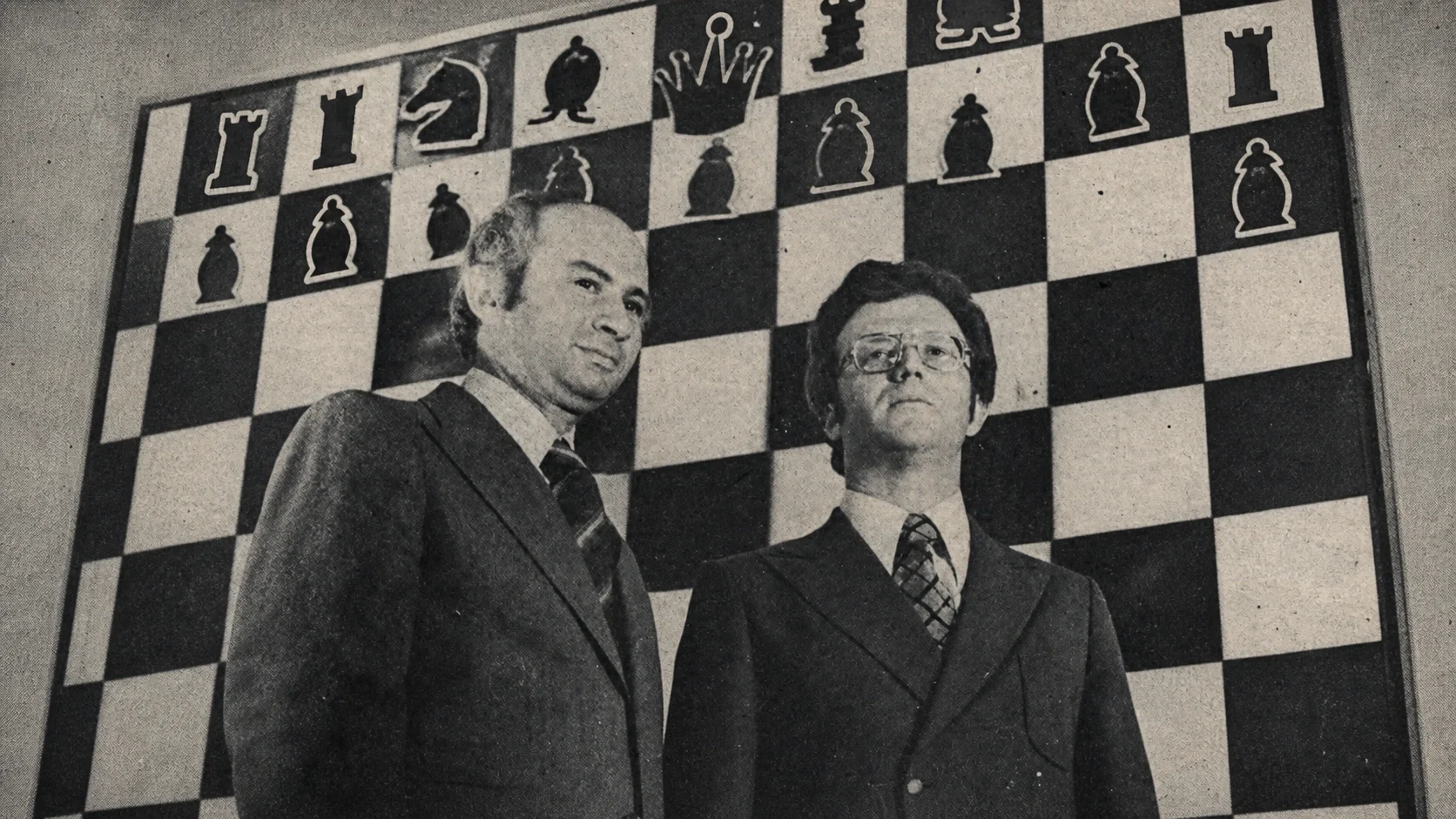
Krapto, CC BY-SA 4.0 <https://creativecommons.org/licenses/by-sa/4.0>, via Wikimedia Commons
Boris Franzevich Gulko occupies a singular place in chess history. He is the only player to win both the USSR Chess Championship and the United States Chess Championship, a distinction that would be impressive in purely sporting terms and extraordinary when placed inside the political history of Soviet chess. His career passed through three different worlds: the state-supported chess culture of the USSR, the persecuted life of a Jewish refusenik, and the immigrant chess culture of the United States. Gulko’s story is therefore more than a record of tournament results. It is a study in chess excellence under pressure, moral resistance inside an authoritarian sporting system, and the transfer of Soviet chess knowledge into American chess education.
Early Life, Education, and Formation
Gulko was born on February 9, 1947, in Erfurt, in Soviet-occupied Germany, where his father was serving in the Soviet army after the Second World War. His family later returned to the Soviet Union and settled in the Moscow region. A Russian Chess Federation profile, translated from Russian, notes that Gulko received a university education before choosing professional chess, and the Jewish Standard’s long interview-based profile adds that he studied psychology at Moscow University and worked for several years as a psychologist before turning fully to chess.
Gulko later recalled that he was introduced to chess by a boy at a children’s camp, a small detail that has the quality of origin myth: no famous coach, no institutional discovery, simply a child encountering a game that would become his life. In the same U.S. Chess Trust interview, he said that he began playing actively during the era of Mikhail Tal, whose rise shaped Gulko’s own chess imagination.
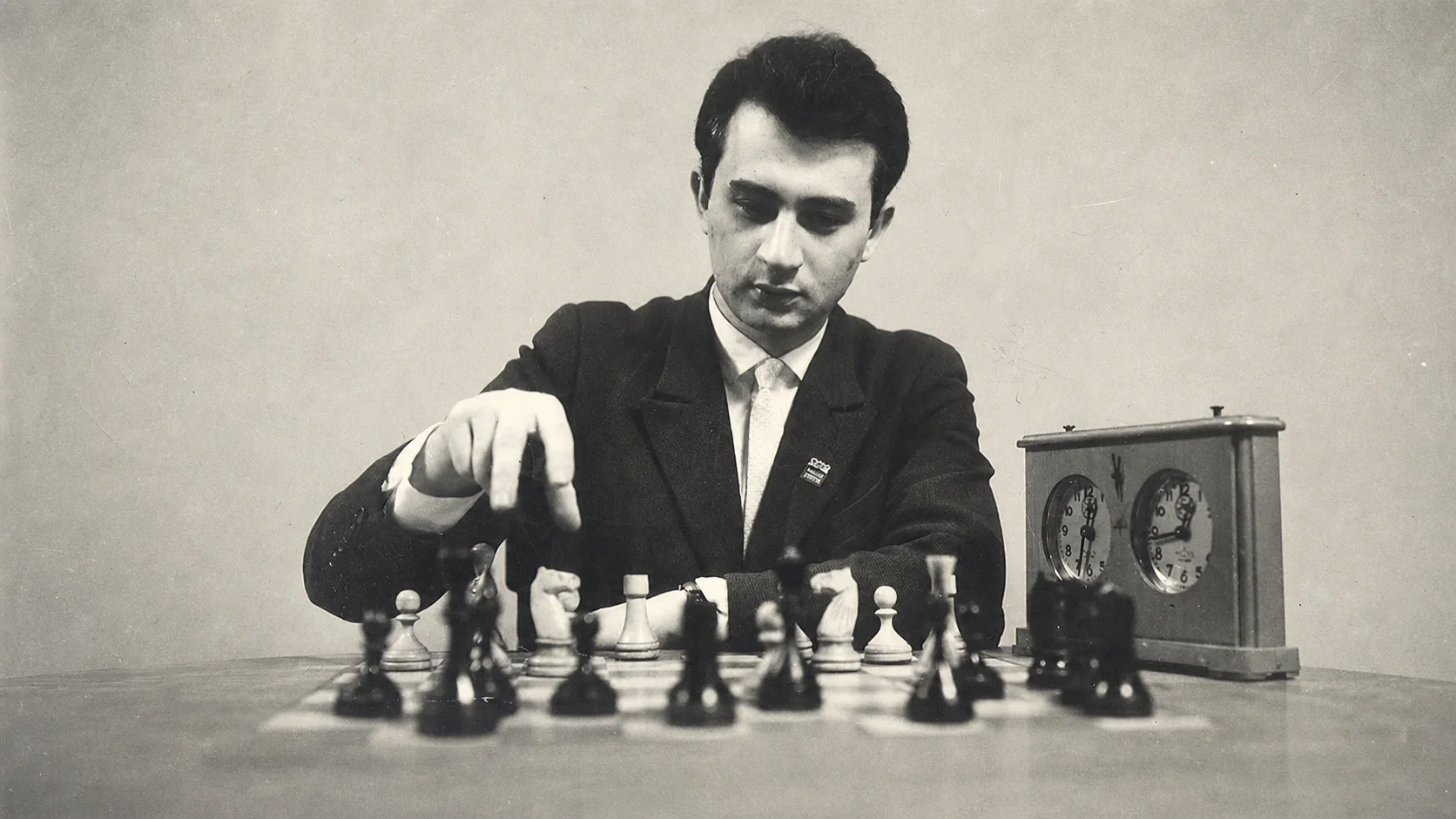
His early development took place within the Soviet chess machine, where youth training, club play, university competition, and state patronage created a deep competitive structure. The Russian Chess Federation records that Gulko was part of Soviet student teams that won world student championships in 1966 and 1967. FIDE lists him as an International Master in 1975 and a Grandmaster in 1976.
Rise in Soviet Chess
By the mid-1970s, Gulko had entered the elite of Soviet chess. In the 1975 USSR Championship at Yerevan, he remained in contention deep into the event before sharing second through fifth places behind Tigran Petrosian. ChessBase also notes that he won the 1975 zonal tournament in Vilnius, qualified for the 1976 Biel Interzonal, finished second at Yerevan 1976 behind Oleg Romanishin, and won the Capablanca Memorial in Havana.
His defining Soviet result came in the 45th USSR Championship, held in Leningrad from November 28 to December 22, 1977. OlimpBase records that the event had 16 players, including 13 grandmasters, and that Gulko and Iosif Dorfman finished tied first with 9½ points from 15 games. The field included former world champions Petrosian, Tal, and Smyslov, as well as Lev Polugaevsky, Efim Geller, Oleg Romanishin, Yuri Balashov, and other major Soviet masters.
The title was not settled immediately. Gulko and Dorfman played a six-game playoff in Moscow in January 1978, which ended 3-3. OlimpBase notes that the Soviet Sports Committee declared both players champions after the tied match and cancelled the sudden-death phase. This decision made Gulko a Soviet champion at age 30 and placed him among the last major figures of the classical Soviet championship era.
The result had deeper meaning because of the opposition he faced. In his U.S. Chess Trust interview, Gulko explained the difference between Soviet and American chess in the 1980s by pointing simply to the list of Soviet Championship opponents: Tal, Petrosian, Smyslov, Polugaevsky, and Geller. The statement was modest, but it captured the density of Soviet chess strength. To win that championship meant surviving one of the hardest national events ever created.
Refusal, Protest, and the Loss of Prime Years
Gulko’s chess ascent was interrupted by politics. His trouble with the Soviet chess authorities intensified after Viktor Korchnoi defected in 1976. Leading Soviet grandmasters were pressured to sign a collective denunciation of Korchnoi. Gulko refused. The Russian Chess Federation profile states that his independent character did not fit the Soviet “system of coordinates,” and specifically notes his refusal to sign the anti-Korchnoi letter before he and his wife, Anna Akhsharumova, applied to leave for Israel.
Anna Akhsharumova was herself a major chess figure, a Soviet women’s champion who later became U.S. women’s champion. Their marriage made them one of the most remarkable chess couples of the late Soviet period. After applying to emigrate, they were denied permission and became refuseniks, Soviet Jews who sought to leave the country and were punished through professional exclusion, surveillance, harassment, and administrative limbo.
The years of refusal damaged Gulko’s career at precisely the moment when he should have been playing abroad, improving, and competing for a place in the world championship cycle. The U.S. Chess Federation profile states that he and Anna were barred from top-level competitions for several years, sometimes limited to events inside the USSR, and that Gulko was briefly jailed and beaten for his beliefs. Gulko later described those years as a “serious blow” to his chess career, while adding that he did not regret them.
The Gulko family’s struggle was not passive. In interview-based accounts, Gulko described hunger strikes, public demonstrations, arrests, and daily confrontations with the KGB. The Jewish Standard profile records three hunger strikes, including one in 1982 that lasted 37 days, and a month of demonstrations in Arbat Square in 1986, during which the Gulkos were arrested repeatedly and then released after several hours.
One striking episode came after Gulko won the 1981 Moscow Championship. At the closing ceremony, he produced an open letter from himself and Anna demanding that Soviet authorities allow Korchnoi’s wife and son to leave the USSR. The Jewish Standard account, relying on Gulko’s recollection and citing a New York Times report by Serge Schmemann, says that Soviet press coverage failed to report Gulko’s victory, even though the event included many strong players.
The Gulkos were finally allowed to leave on May 29, 1986. They first went to Israel and then moved to the United States, where Gulko rebuilt a chess career that Soviet authorities had tried to contain.
The American Career
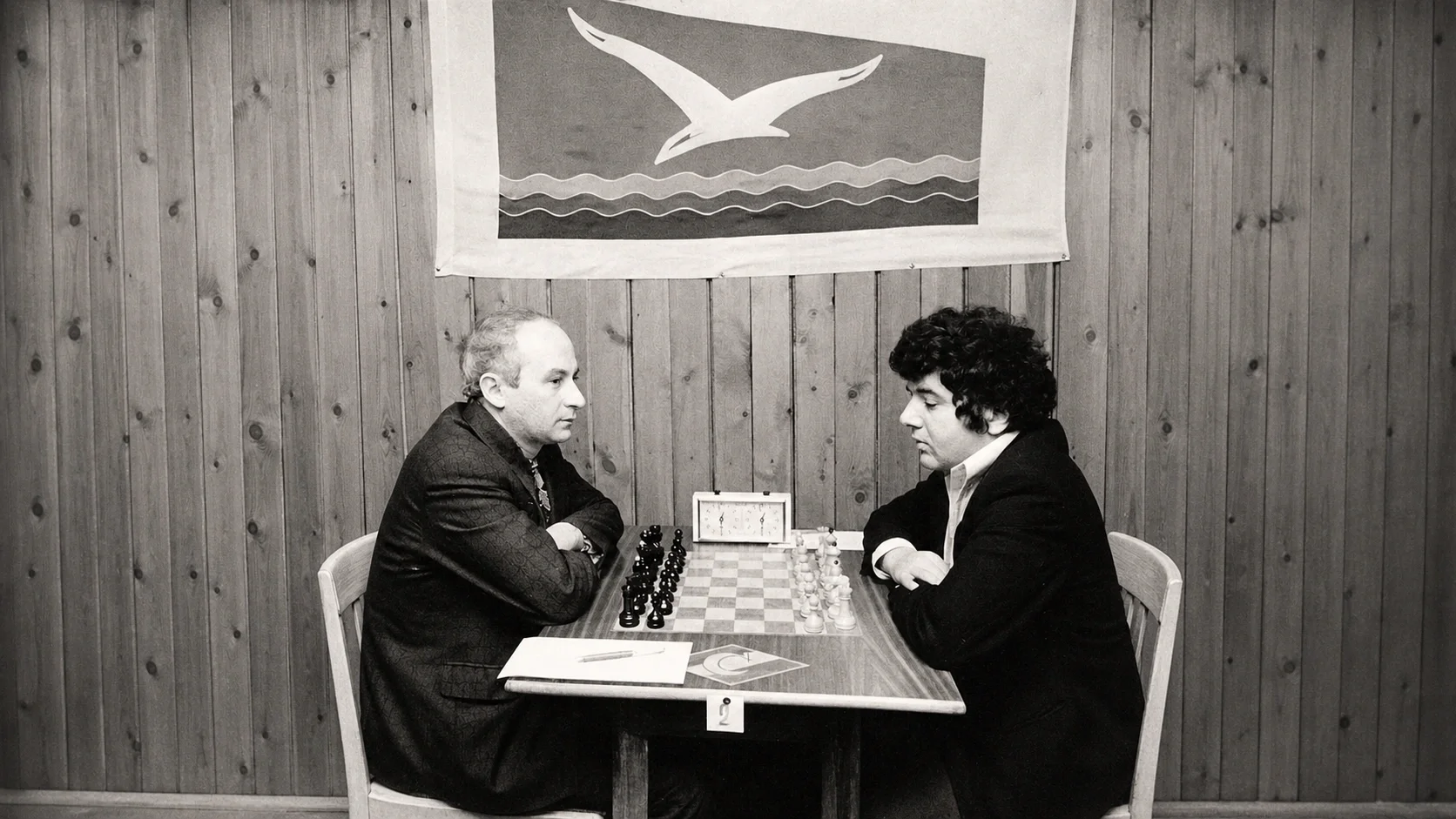
Gulko’s American career is one of the great second acts in modern chess. He arrived in the United States at an age when most elite players are already past their peak. Yet he quickly became one of the strongest players in the country. The Jewish Standard profile notes that after arriving with very little money, he spent time in Silver Spring and Boston, where he became grandmaster-in-residence at Harvard, before settling in New Jersey.
He won the U.S. Championship in 1994. The Week in Chess reported that he took the title undefeated with 9½/13, and that the result qualified him for the FIDE Interzonal alongside other leading American players. The official US Chess champions list confirms Gulko as U.S. Champion in both 1994 and 1999.
His 1999 title came in Salt Lake City in a knockout-style format. The Week in Chess reported that Gulko survived a playoff against Yasser Seirawan in the semifinals and defeated Gregory Serper 2½-½ in the final. The result confirmed that his 1994 title was not a late-career anomaly.
Gulko also remained active in world championship competition. ChessBase records that he qualified for the 1994 PCA Candidates Matches after finishing third in the Groningen qualifier, then lost a very close quarterfinal match to Nigel Short in New York after playoff games.
His Olympiad record reflects the unusual shape of his life. He played once for the Soviet Union, at Buenos Aires 1978, where the USSR finished second behind Hungary, then represented the United States nine times between 1988 and 2004. ChessBase notes that during this American Olympiad career he won two team silvers and one team bronze, and that he also played for the U.S. team in World Team Championships, including the gold-medal team at Lucerne 1993.
Playing Style and Chess Identity
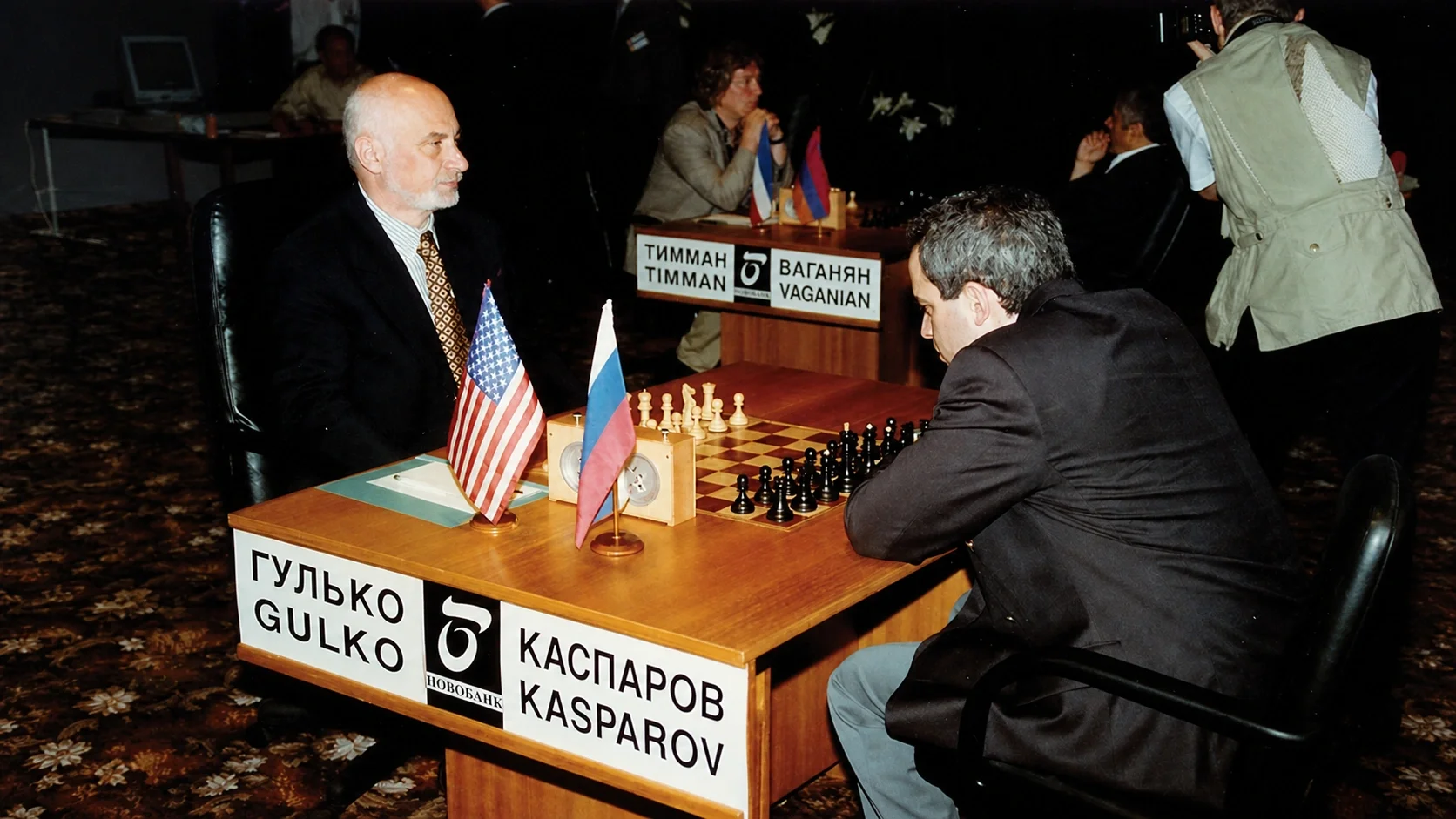
Gulko’s style is often described as solid, positional, and difficult to break down. The U.S. Chess Federation profile calls him a strong middlegame positional player with a solid style and notes that he was one of the few players with a plus score against Garry Kasparov, given there as +3, -1, =4.
That description can sound too dry unless one understands what “solid” means at elite level. Gulko’s chess was not passive. It was based on deep strategic pressure, psychological steadiness, and a willingness to fight in structures where small advantages could be nursed for many moves. In his own teaching, he emphasized studying well-annotated grandmaster games as the path toward positional understanding.
His opening choices also reflect this profile. A 365Chess database summary lists, among his most common white openings, the English Four Knights, King’s Indian structures, Nimzo-Indian positions, and the closed Catalan. As Black, his frequent openings include Queen’s Pawn systems, the Pirc Defense, and the French Tarrasch. This repertoire suggests a player comfortable with flexible pawn structures, strategic imbalance, and positions where psychology and long-term planning carry real weight.
His plus score against Kasparov has become one of the most frequently repeated facts about him. It should not be exaggerated into a claim that he was stronger than Kasparov overall. The significance lies elsewhere: Gulko’s style, discipline, and resilience made him unusually capable of withstanding Kasparov’s pressure and, in several games, turning that pressure back against him. The record became a symbol of Gulko’s competitive character.
Teacher, Author, and Transmitter of Soviet Chess Knowledge
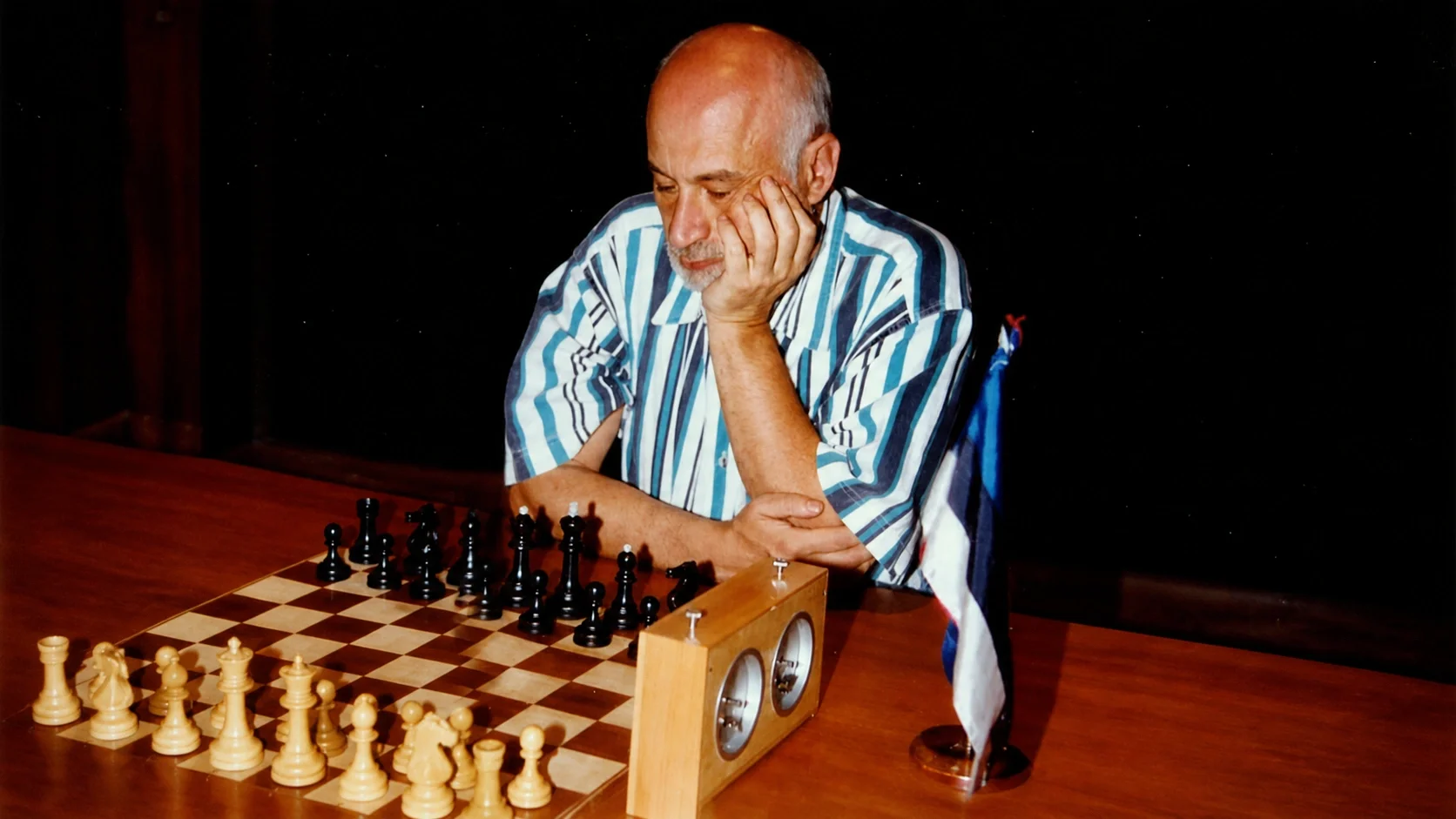
Gulko’s influence in America extends beyond titles. He became part of the generation of Soviet-trained émigré grandmasters who raised the level of American chess through tournament play, coaching, writing, and example. In his U.S. Chess Trust interview, he said that American culture and science had long benefited from immigration, and he explicitly connected that broader American pattern to chess.
FIDE lists Gulko as a FIDE Senior Trainer with a lifelong license, awarded in 2004. ChessBase also states that since 2004 he has worked as a coach and written regularly, including for Russian-language Jewish publications. The Russian Chess Federation profile adds that he has written books, articles, and essays on chess, philosophy, and religious themes.
His best-known instructional work is the Lessons with a Grandmaster series, written with Dr. Joel R. Sneed. The official publisher page describes the first volume as a series of conversations between Gulko as teacher and Sneed as student, built around Gulko’s own games, with attention to strategy, tactics, and psychology.
The format is important. Rather than presenting games as monuments, Gulko and Sneed present them as guided investigations. The student asks questions that a club player might actually ask. Gulko responds from the perspective of a grandmaster trained in Soviet chess culture and hardened by decades of elite competition. US Chess’s review of the third volume praised the series for making high-level strategic ideas understandable and for using exercises to make the learning process interactive.
This teaching work is a major part of his American legacy. Gulko did not simply bring Soviet chess knowledge to the United States as a player. He translated that knowledge into a form that ambitious amateurs, masters, and teachers could study. His background in psychology gave his instruction an additional layer, visible in his repeated concern with decision-making, fear, patience, calculation, and the opponent’s intentions.
Political Witness and Later Writing
Gulko’s life after emigration did not become detached from politics. His co-authorship of The KGB Plays Chess, with Viktor Korchnoi, Yuri Felshtinsky, and Vladimir Popov, placed him among the major witnesses to the darker side of Soviet chess politics. In his U.S. Chess Trust interview, Gulko said that he completed his part of the book around the moment of his immigration from the USSR, adding that many significant events followed afterward.
In 2004, Gulko again confronted political exclusion in chess when the FIDE World Championship was awarded to Libya. The U.S. Chess Federation profile reports that Gulko had qualified and initially accepted the invitation, but withdrew after Muammar Gaddafi’s son declared that “Zionist enemies” would not be invited. Gulko wrote an open letter to FIDE President Kirsan Ilyumzhinov objecting to the prospect of a world championship from which Jewish players would be excluded.
That episode linked two parts of Gulko’s life: the Soviet refusenik struggle and the ethics of international chess governance. For Gulko, chess could never be separated completely from human dignity, because his own career had shown how easily chess institutions could be used to punish, exclude, or silence.
Legacy
Boris Gulko’s legacy rests on several foundations. As a player, he was Soviet champion in one of the strongest chess cultures in history and later twice American champion. As a competitor, he remained dangerous for decades, including against Kasparov, Short, Seirawan, Kamsky-era American elites, and the émigré generation that transformed U.S. chess. As a teacher, he became one of the leading transmitters of Soviet chess understanding into American instructional culture.
His life also complicates any romantic image of Soviet chess. The Soviet system produced extraordinary players, coaches, tournaments, and schools. It also punished dissenters, restricted travel, and tied sporting opportunity to political conformity. Gulko’s career contains both realities. He was formed by Soviet chess, crowned by Soviet chess, damaged by Soviet power, and then renewed in American chess.
For SovietChessHistory.org, Gulko belongs in the archive as a champion, teacher, witness, and survivor. His story shows what Soviet chess could create and what Soviet authority could destroy. His later American career shows how much was still possible after exile, lost time, and political persecution. Few chess lives connect the board, the state, the classroom, and the conscience with such force.
