Alexander Chernin (Олександр Чернін)
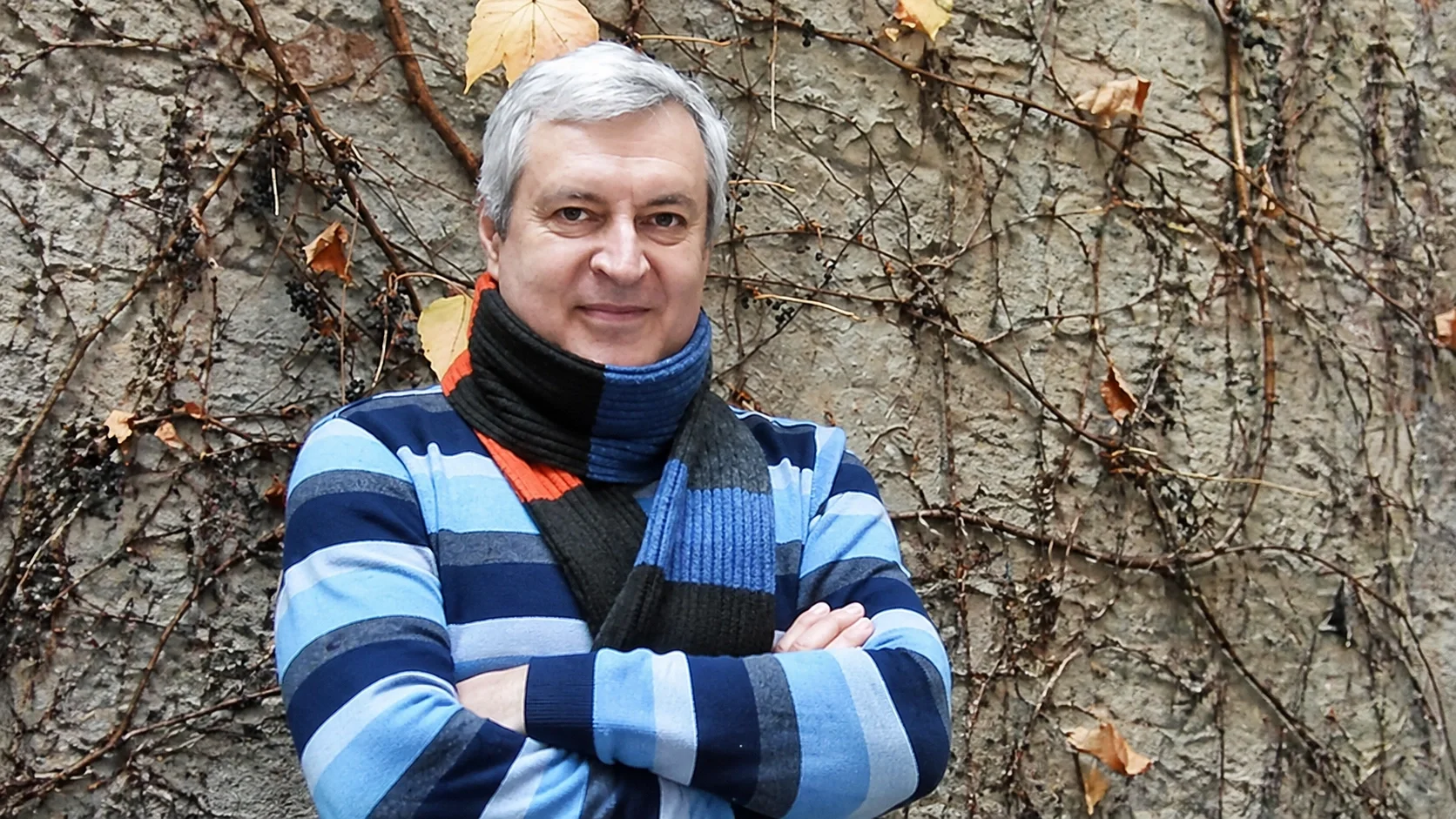
Alexander Mikhailovich Chernin (born 6 March 1960 in Kharkiv, Ukrainian SSR) was one of the USSR’s top grandmasters of the 1980s and later became a leading coach in the post-Soviet era. A product of the Kharkiv chess school (mentored by Savon and Dvoretsky), he quickly rose through youth championships to win the 1979 European Junior title. He earned the IM title in 1984 and the GM title in 1985. In 1985, he tied for first in the USSR Championship (Riga), becoming USSR co-champion with Viktor Gavrikov and Mikhail Gurevich. That same year, he qualified in the Interzonal at Montpellier and then won a Candidate–Eliminator match against Gavrikov (3.5–2.5) to reach the Candidates (1986).
Chernin’s peak rating of 2645 (achieved in the mid-1990s) placed him among the world’s top 30 players. He competed for the FIDE World Championship in knockout events (1997, 2000). In team play, he was part of the USSR’s youth and senior squads, winning gold medals (for example, at the USSR Spartakiad and World Student Championships).
After 1992, Chernin emigrated to Hungary (becoming a Hungarian citizen) but continued to work internationally. As a coach, he became head coach of the Kasparov Chess Foundation Young Stars program, seconding top players like Alexandra Kosteniuk (women’s world champion) and training prodigies such as Fabiano Caruana. He co-authored books on openings (e.g., Pirc Alert! with Lev Alburt) and wrote many articles on strategy and endgames. His legacy is as both a very strong player of the Soviet era and one of its foremost trainers.
Chernin was also a composer of endgame studies and a noted chess journalist. His style was resourceful and hypermodern, favoring dynamic defenses (his books on the Pirc and Modern defenses were influential) and often leading to complicated middle games. Though never a world championship finalist, he left a mark by helping shape later generations.
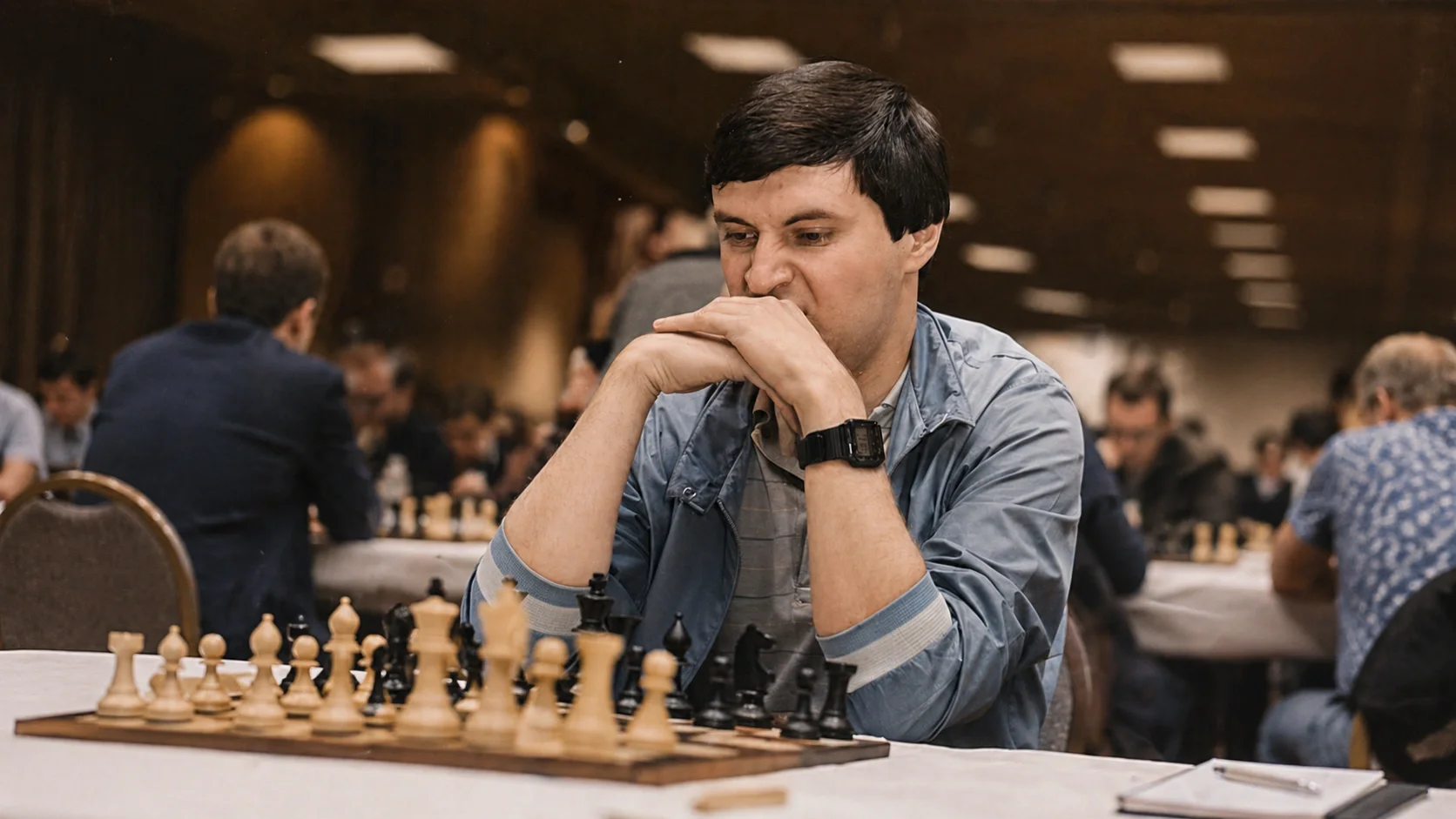
Biography and Career Timeline
1960 – Born on March 6 in Kharkiv, Ukraine (then USSR). He learned chess at a young age and joined the Kharkiv chess school. His early coaches included Vladimir Savon and, later, Mark Dvoretsky and Boris Postovsky.
1979–1980 – European Junior Champion. As a young master (under-20 category), Chernin won the European (World) Junior Chess Championship (1979/1980).
Early 1980s – Active on the USSR championship circuit. He was often among the top 10 Soviet players; in 1983, he shared first place at the Soviet Students’ Olympiad.
1984 – Became an International Master (IM).
1985 – Earned the Grandmaster (GM) title after a strong performance in the Interzonal tournament. He tied for first in the 52nd USSR Championship (Riga 1985) with Viktor Gavrikov and Mikhail Gurevich (all 11/19). (This was also a World Championship Zonal; Chernin qualified for the Candidates by tying for first.) At the 1985 Interzonal in Montpellier, he advanced to the Candidates matches.
1986 (Candidates) – In the quarterfinal Candidates (Montpellier 1985 match) Chernin defeated Viktor Gavrikov by 3½–2½. In the semifinal Candidates (Paris 1986), Chernin lost to Grandmaster Andrei Sokolov, ending his run towards the world title.
Late 1980s – Peak of playing career. During this period, Chernin often placed in the top 3 at the USSR Championships and other international events. For example, he won (tied for 1st) the European Championship (Pfäffikon 1989) and placed well in Interzonals. His 1990 FIDE rating peaked around 2645.
1992 – With the Soviet collapse, Chernin relocated to Hungary (a move followed by some other Soviet players). He won the Hungarian Championship in 1992 and became a prominent figure in Hungarian chess.
Mid-1990s – Continued as a top grandmaster. He was Hungarian champion again (1992–94) and won international tournaments (e.g., Dos Hermanas 1992). He played for Hungary in the 1992 and 1996 Chess Olympiads.
1997 & 2000 – Competed in the FIDE World Championship knock-out cycle (Las Vegas 1997 and New Delhi 2000). He reached the later rounds (defeating strong GMs like Alexander Khalifman) but did not qualify for the Candidates.
Late 1990s–2000s – Transition to coaching: became chief trainer at the Kasparov Chess Foundation’s “Young Stars” academy in New Jersey, USA. Coached world-class juniors such as Fabiano Caruana and seconded Alexandra Kosteniuk during her 2008-2010 championship cycle. He also wrote books on chess strategy (e.g., Beating Unusual Chess Openings with Alburt and Pirc Alert! with Alburt).
2010s – Continued coaching and occasional tournament play. Served as a second/trainer for various players and was a frequent contributor to chess magazines.
Present (2026) – Remains an important figure in Soviet/post-Soviet chess history, known for both his tournament legacy and his influence as a trainer and author.
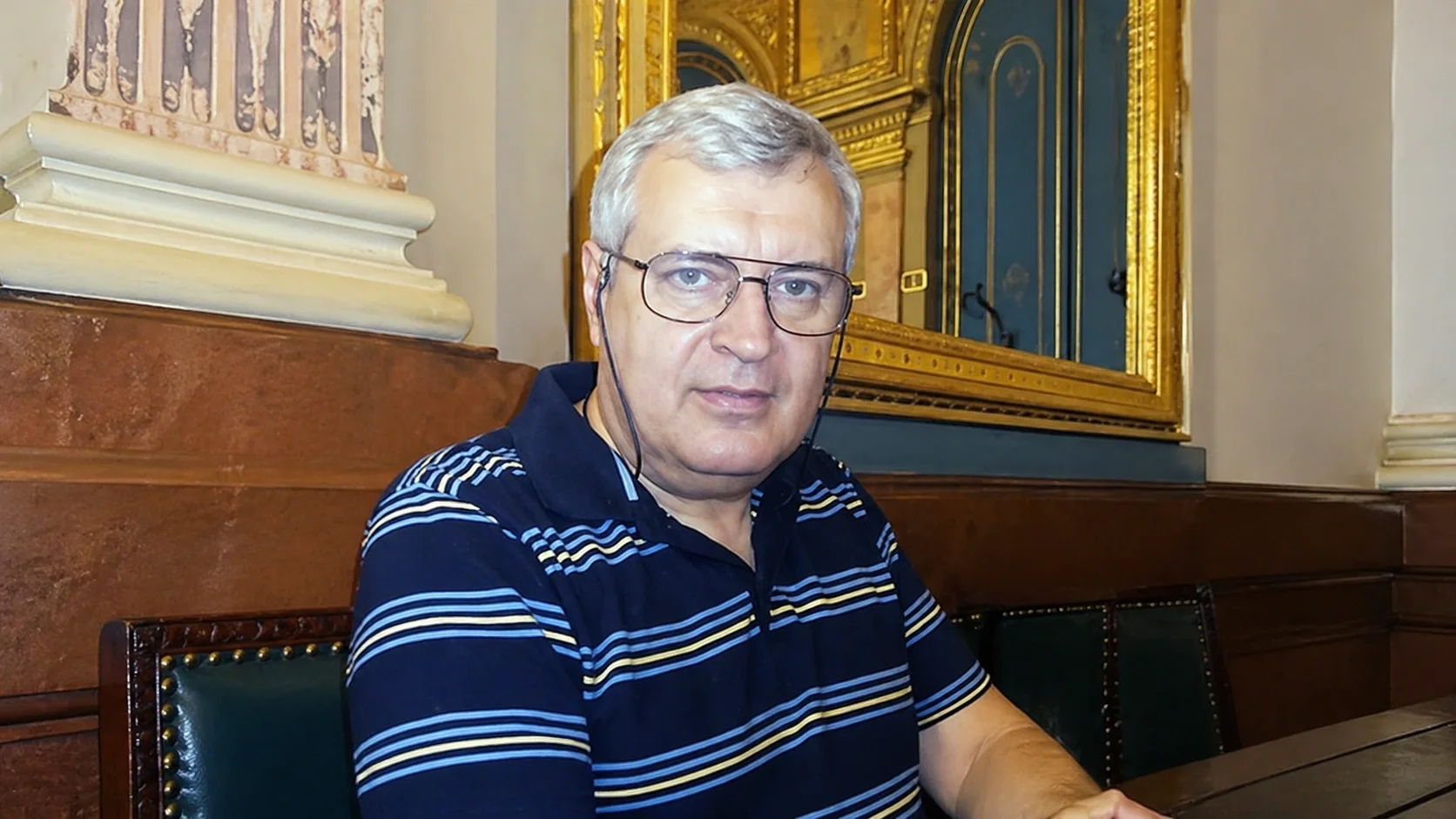
Tournament Record Highlights
Chernin’s tournament successes were numerous, particularly in the USSR Championships, European events, and national championships. Selected highlights are shown below. A more complete chronology is given in Table 1 (year, event, place, score, notable opponents).
USSR Championships: Chernin was a regular competitor. His best result was a tie for 1st at Riga 1985 (52nd USSR Championship). Other top finishes include 2nd–4th places in various USSR finals. For example, he shared 3rd–4th at Yerevan 1986 and 2nd–3rd at Leningrad 1987.
Interzonals and Candidates: 1985 was his peak: he tied first in the Montpellier Interzonal, then won a playoff match against Viktor Gavrikov (3½–2½). In the 1986 Candidates, he beat John Nunn and Nigel Short in the earlier rounds before falling to Sokolov in the semi-finals.
Hungarian Championships: After moving to Hungary, Chernin won the national title multiple times (notably 1992, 1993, 1994).
International Tournaments: He won or shared first at several events: Reggio Emilia (1983/84, 1985/86), Pfäffikon (1989), Hamburg Open (1991), Dos Hermanas (1992), among others. He scored well at Wijk aan Zee and other super-GM tournaments.
Team Events: As part of the Soviet team, he won gold in the 1983 USSR Spartakiad and the 1985 World Student Team Championship (board performance over 67%). For Hungary, he played on Olympiad teams in 1992 and 1996 (silver medal in 1992)
Opening Repertoire and Theoretical Contributions
Chernin’s playing style was flexible, but he had some favorite openings:
As White: 1.e4 was most frequent. He often employed aggressive anti-Sicilian lines (2.c3 or 2.c4) and English Attack setups in the Najdorf (e.g. 6.Be3, Qd2, h4). He also played 1.d4 with sharp Queen’s Indian or Nimzo lines when needed.
As Black: Chernin was known for playing hypermodern and somewhat offbeat defenses. His pet defenses were the Pirc/Modern Defense and the Sicilian Defense. Notably, he co-authored Pirc Alert! advocating the Modern/Pirc with 1…d6, 2…g6 setups. His games show deep preparation in the Pirc – the opening in Game 3 above is one such example. He also played the Caro-Kann and French, but often with a creative twist (fianchettoing his king’s bishop).
He contributed to opening theory by popularizing certain lines: for instance, he helped refine the Caro-Kann Panov-Botvinnik Attack for White, and various Sicilian Anti-Scheveningen ideas. His co-authored books with Lev Alburt (Beating Unusual Chess Openings, Pirc Alert!) indicate his interest in handling rare defenses and aggressive counterplay. While not a book author in Russian, he wrote articles (in 64 magazine and others) and columns analyzing modern ideas.
In terms of theory, Chernin’s games, especially from the 1980s, are sometimes cited in databases as exemplars of dynamic play. For example, his use of early f3 and Be3 in the Najdorf (English Attack scheme) was ahead of its popularization.
Role as Trainer, Second, and Author
In the 2000s, Chernin’s reputation shifted strongly to training. Key points:
Kasparov Chess Foundation (Young Stars program): As head coach, he trained dozens of young talents worldwide. His methods combined Soviet-style discipline with modern knowledge. Notably, he coached Fabiano Caruana from age 9 as part of this program, contributing to Caruana’s rise (Caruana later cited Chernin as an influence).
Second to Champions: Chernin was a second or consultant for grandmasters. He helped Alexandra Kosteniuk (women’s world champion) prepare for the 2008 and 2010 Women’s World Championship matches. He also worked with Ruslan Ponomariov (FIDE champion) and others.
Author: He co-authored several books: Winning with the Pirc (1995), Beating Unusual Chess Openings (1996), Pirc Alert! (2001) with Lev Alburt. These works reflect his deep opening knowledge and accessible teaching style. He also wrote many annotated games and articles for magazines such as New in Chess and Chess Informant.
Trainer in Russia/Hungary: Before the Kasparov project, Chernin coached in Hungary, fostering young Hungarian players and writing for the Hungarian chess press.
As a result of this work, Chernin was named FIDE Senior Trainer and was awarded the Order of Merit by the Hungarian Chess Federation. He was widely respected for his pedagogy, communication skills (often giving lectures internationally), and deep understanding of classical chess strategy.
Influence and Legacy
Chernin occupies a unique niche in Soviet/Post-Soviet chess:
Bridging Eras: He was among the last of the strong Soviet grandmasters who grew up entirely within the USSR system but then flourished internationally. His peak coincided with the final decade of Soviet chess supremacy.
Training the Next Generation: His work at the Kasparov Chess Foundation and as a personal coach means his influence extends to younger champions around the world (e.g., Chinese and American junior talents). Several of his students and seconders cite his strategic clarity and opening acumen.
Literary Contributions: His books, especially on offbeat openings, are still in circulation and referenced by modern authors. As a chess writer, he helped spread Soviet ideas about endgames and strategy to a global audience in English.
Honors: In 2014, Chernin won the “Trainer of the Year” award at the Russian Chigorin Memorial (St. Petersburg), recognizing his enduring impact. He is also recognized in the World Chess Hall of Fame and in Russian chess publications as a key figure of his generation.
