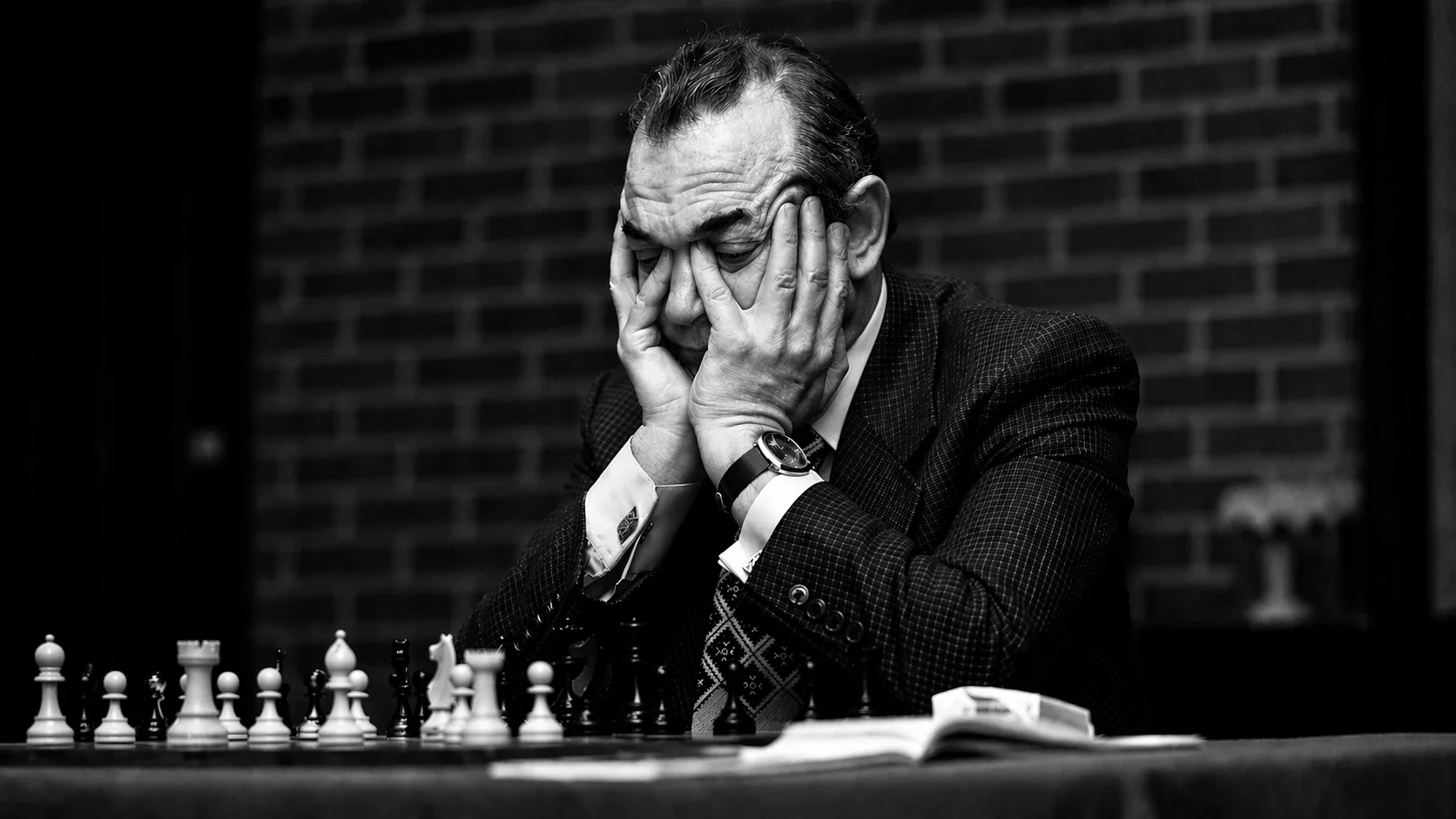
How the Early Soviet State Turned Chess Into a Tool
A look inside the origins of Soviet chess culture. These articles trace how early USSR institutions and political leaders transformed chess into a tool for education, discipline, and national development, setting the foundation for decades of dominance in world chess.
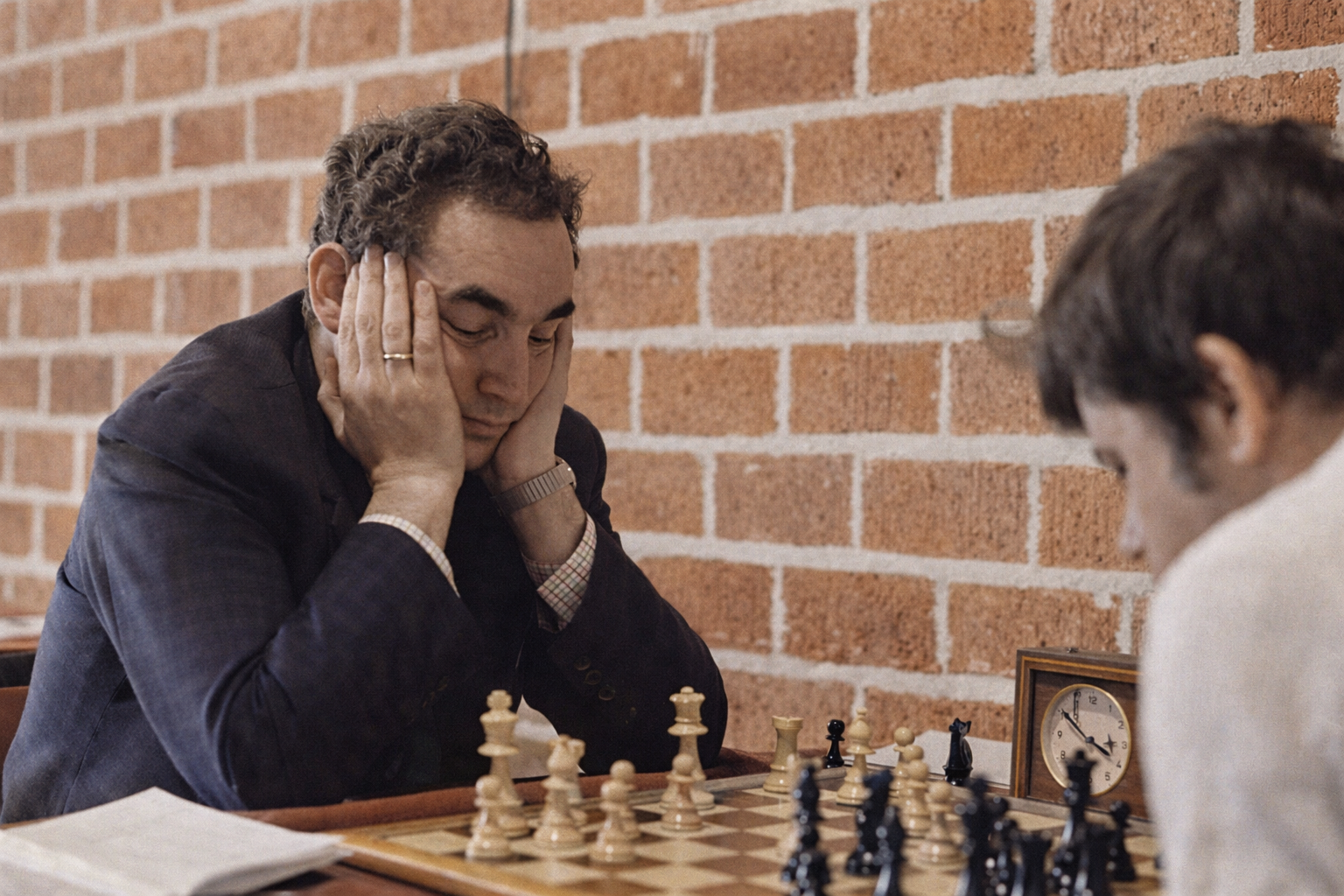
Mark Taimanov
Born in Tula on 12 August 1913, Alexander Kotov grew up in a gunsmith family and discovered chess only after learning draughts from his father. He studied at the Tula Mechanical Institute and moved to Moscow as an engineer in 1935; during World War II, he helped design new mortars and received the Order of Lenin for his defense work. Kotov’s late chess rise was striking: after earning master status in 1938, he finished second to Botvinnik in the 1939 USSR Championship, won the Moscow title in 1941, shared first in the 1948 Soviet Championship, and triumphed at the 1952 Saltsjöbaden Interzonal with an undefeated 16½/20. FIDE named him one of the inaugural International Grandmasters in 1950, and he later served as deputy chairman of the USSR Chess Federation and as chief arbiter at Olympiads. Beyond the board, he was a prolific writer whose works ranged from tournament books to fiction; his celebrated manual Think Like a Grandmaster introduced the candidate‑move method and analysis tree that became a staple of chess pedagogy. He co‑authored The Soviet School of Chess, rehabilitated Alexander Alekhine’s legacy through extensive research, and composed the novel White and Black (later filmed as White Snows of Russia). Kotov also conceived the televised program Shakhmatnaya Shkola, which taught chess to thousands across the USSR, and he balanced roles as journalist, organizer, broadcaster, and coach. Although later critics questioned the rigidity of his analytical prescriptions and the ideological tone of his histories, his methodological vocabulary and civic contributions continue to shape how players learn and think about chess.