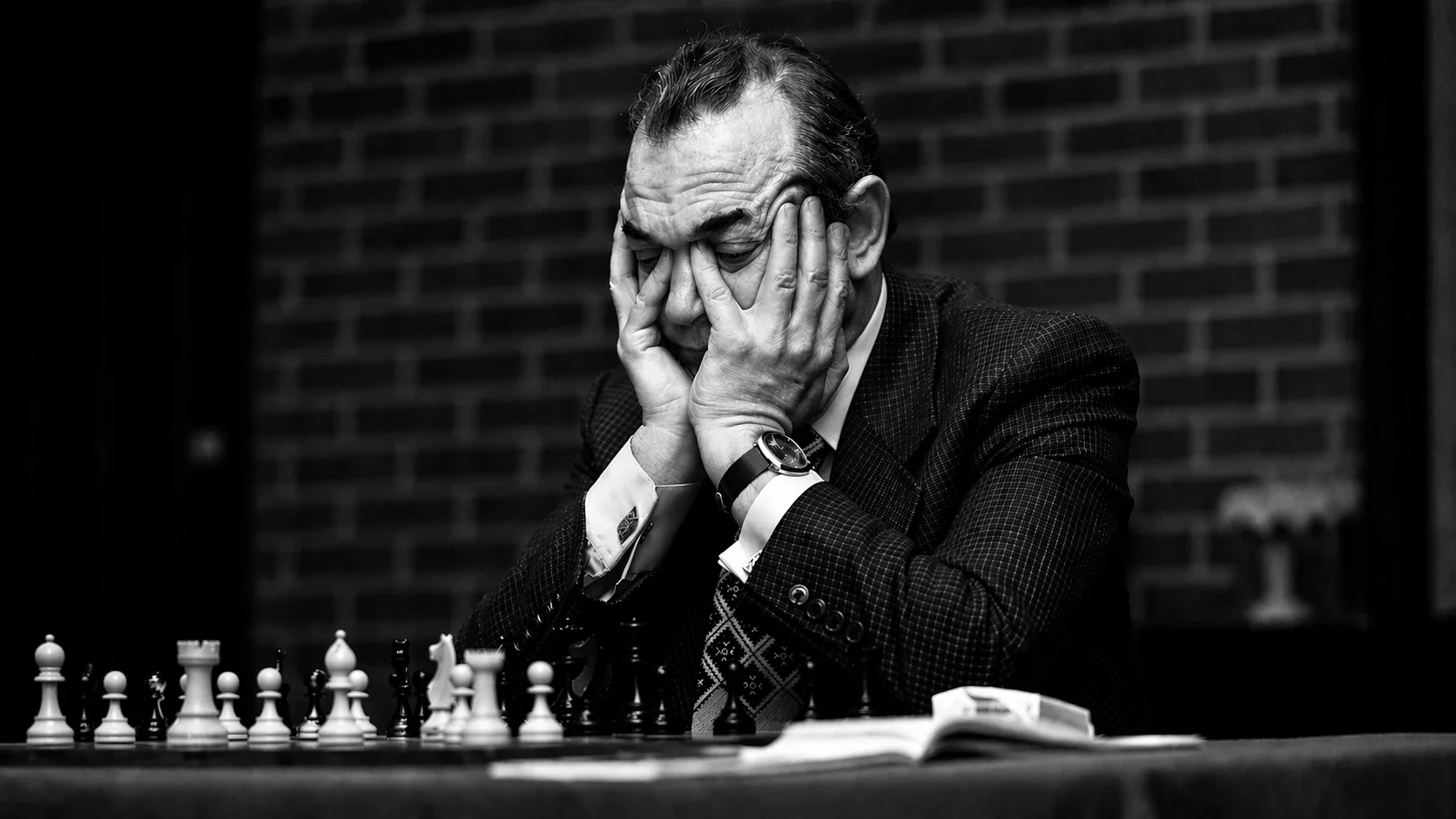
How the Early Soviet State Turned Chess Into a Tool
A look inside the origins of Soviet chess culture. These articles trace how early USSR institutions and political leaders transformed chess into a tool for education, discipline, and national development, setting the foundation for decades of dominance in world chess.
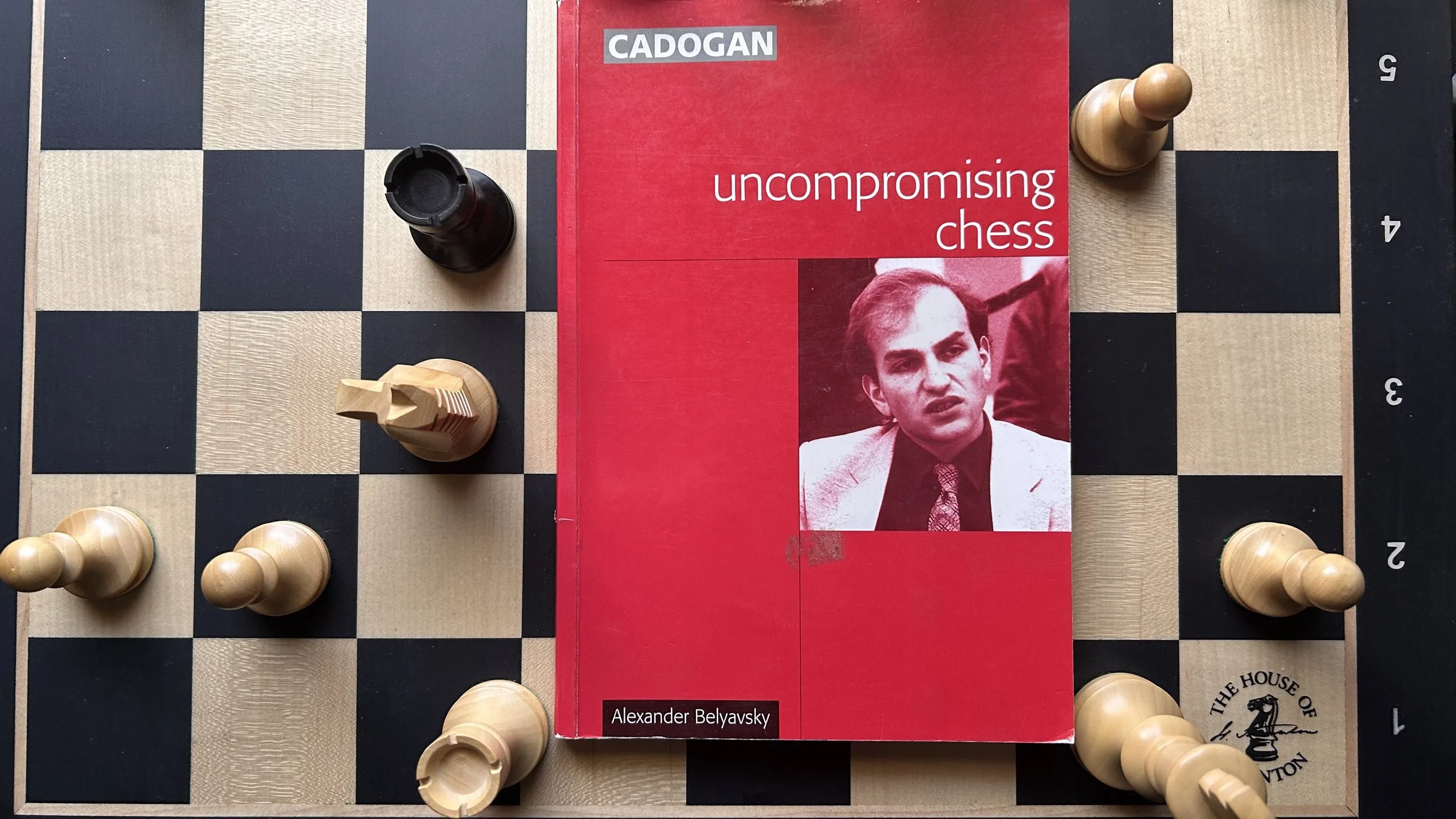
Alexander Beliavsky (Олександр Белявський)
Trained in Lviv under Viktor Kart, Alexander Beliavsky won the 1973 World Junior Championship and, a year later, shared the Soviet championship with Mikhail Tal. He went on to win four USSR titles and reached a peak world ranking of No. 3 in 1985. An uncompromising competitor renowned for his dynamic style, Beliavsky also wrote influential books such as Uncompromising Chess and contributed to opening theory in lines like the fianchetto Grünfeld. His career spans decades, and he has defeated nine world champions while later serving as a trainer, theoretician, and author.