How the Early Soviet State Turned Chess Into a Tool
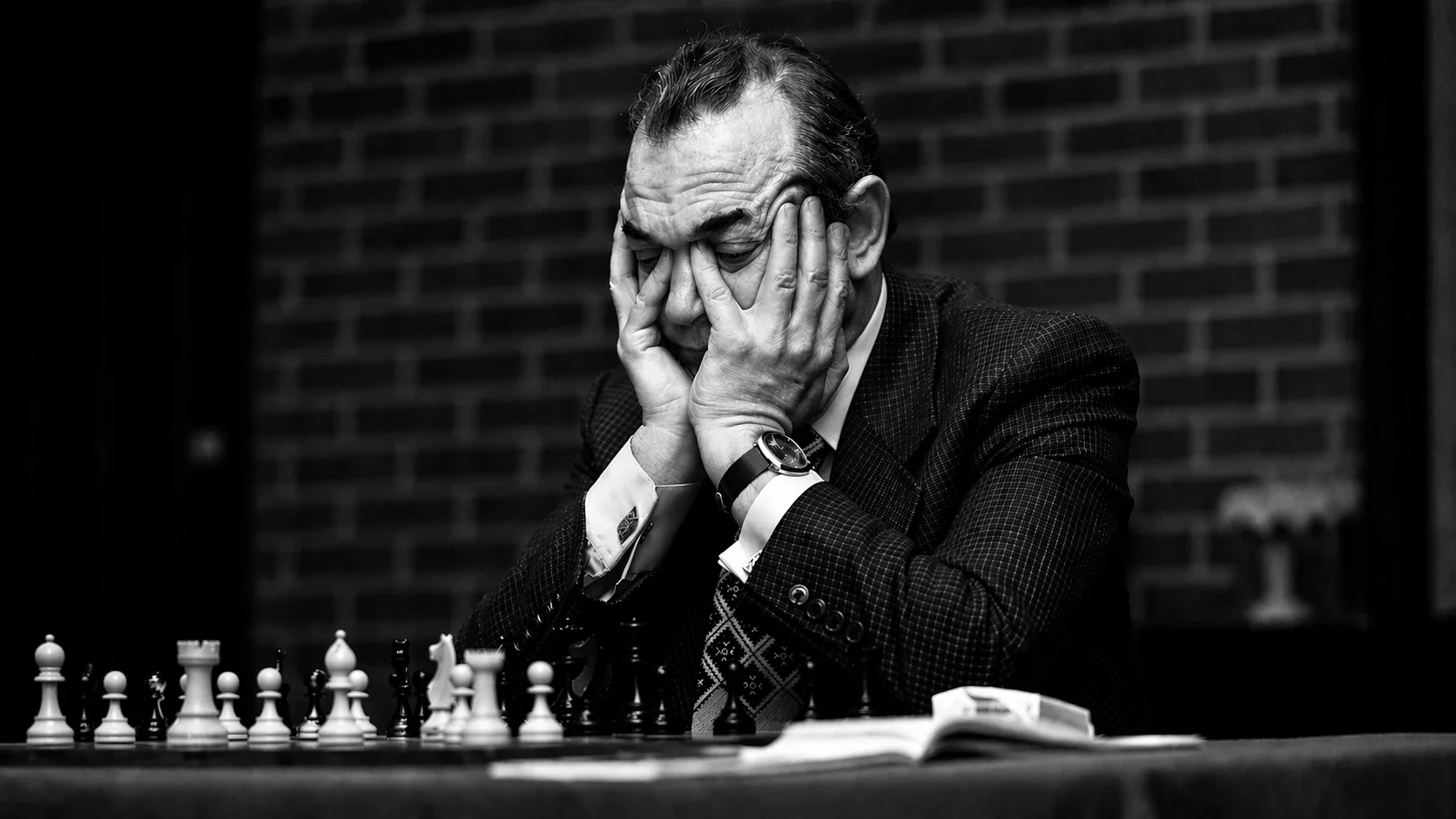
A look inside the origins of Soviet chess culture. These articles trace how early USSR institutions and political leaders transformed chess into a tool for education, discipline, and national development, setting the foundation for decades of dominance in world chess.
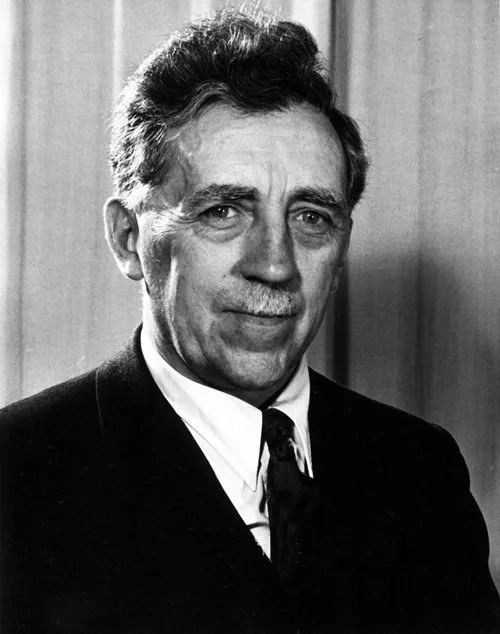
Fedir Bohatyrchuk (Фёдор Богатырчук)
Fedir Bohatyrchuk shared first place with Peter Romanovsky in the 1927 USSR Championship, then largely disappeared from Soviet narratives. A radiologist by profession and a strong positional player, he studied medicine in Kiev and combined a scientific approach with over‑the‑board success. His lifetime score against Mikhail Botvinnik was an astonishing three wins and two draws with no losses. After conflicts with Soviet authorities, he emigrated to Canada, where he taught radiological anatomy and represented the Canadian team at the 1954 Olympiad. The Soviet press subsequently erased his achievements, making his story a poignant example of how politics shaped chess memory.