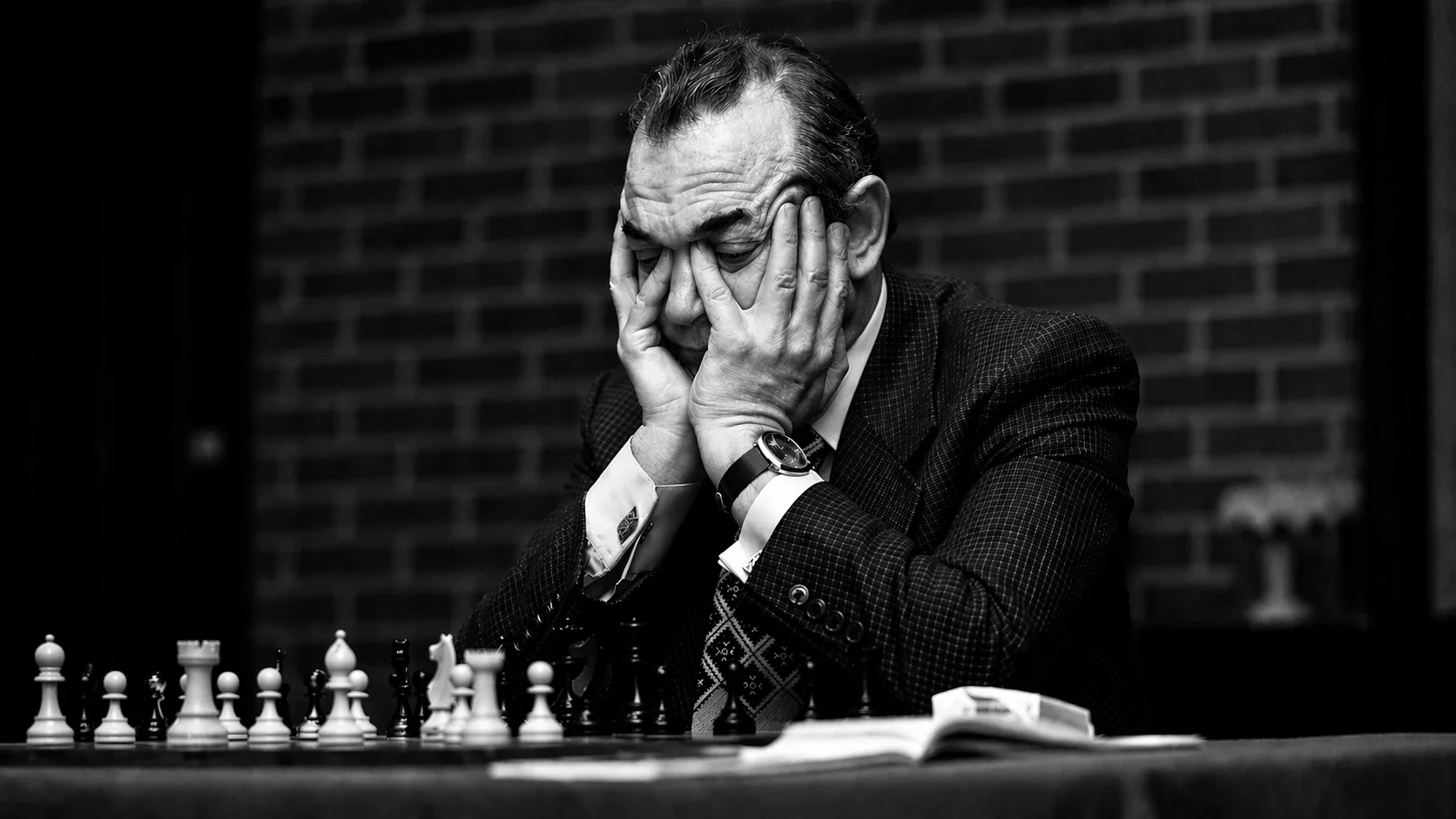
How the Early Soviet State Turned Chess Into a Tool
A look inside the origins of Soviet chess culture. These articles trace how early USSR institutions and political leaders transformed chess into a tool for education, discipline, and national development, setting the foundation for decades of dominance in world chess.
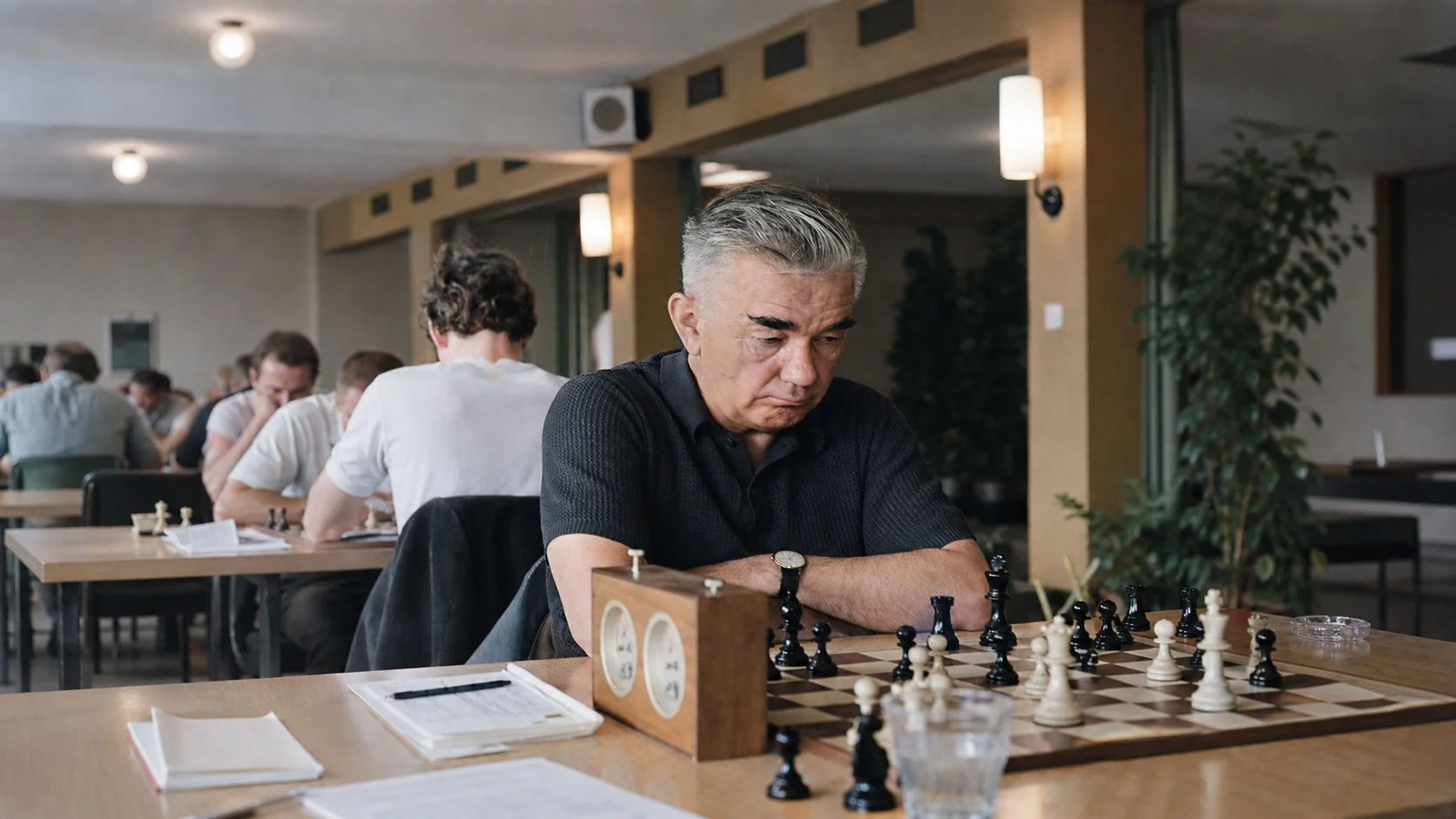
Alexander Kotov (Александр Котов)
Born in Tula on 12 August 1913, Alexander Kotov rose from an engineering background to become one of Soviet chess history’s most influential grandmasters, writers, and organizers. After moving to Moscow in 1935, he worked as an engineer and helped design mortars during World War II, earning the Order of Lenin. His chess career advanced rapidly: he became a master in 1938, finished second to Mikhail Botvinnik in the 1939 USSR Championship, won the Moscow title in 1941, shared first in the 1948 Soviet Championship, and dominated the 1952 Saltsjöbaden Interzonal with an undefeated 16½/20. Named one of FIDE’s inaugural International Grandmasters in 1950, Kotov later served in the USSR Chess Federation and as an Olympiad arbiter. His greatest legacy came through chess literature, especially Think Like a Grandmaster, which popularized candidate moves and the analysis tree. He also co-authored The Soviet School of Chess, researched Alexander Alekhine’s legacy, wrote the novel White and Black, and created the televised chess program Shakhmatnaya Shkola, helping bring chess education to thousands across the USSR.