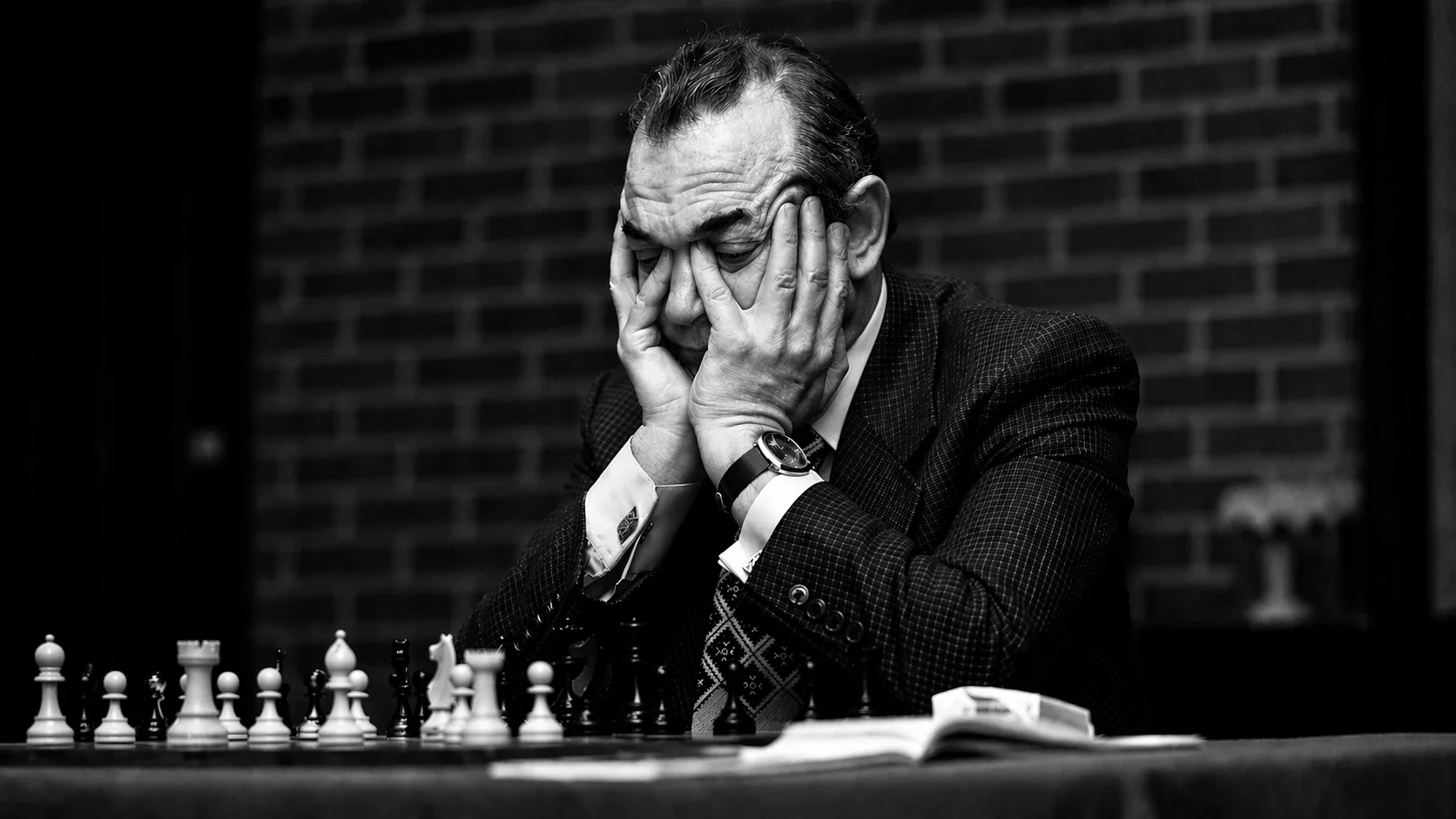
How the Early Soviet State Turned Chess Into a Tool
A look inside the origins of Soviet chess culture. These articles trace how early USSR institutions and political leaders transformed chess into a tool for education, discipline, and national development, setting the foundation for decades of dominance in world chess.
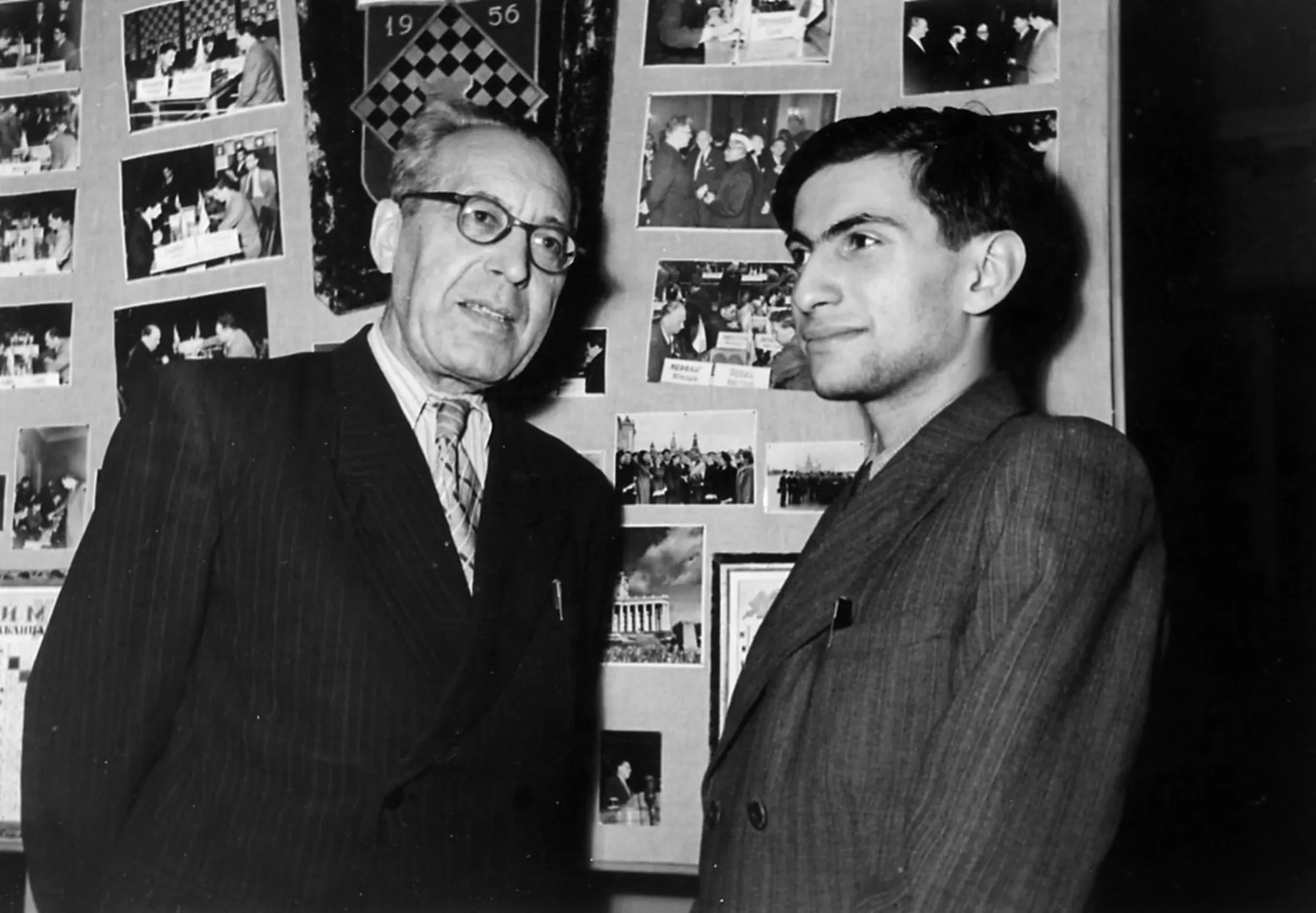
Grigory Levenfish (Григорий Левенфиш)
Grigory Levenfish (1889–1961) was a brilliant early master who learned chess in St Petersburg and by age twenty had won the city championship and competed at Carlsbad 1911. After World War I, he re‑emerged to win the Leningrad championships of 1922, 1924, and 1925, carrying the torch for the pre‑Revolution generation. His finest years came in the mid‑1930s: he tied for first in the 1934 Soviet Championship and then won the 10th championship outright in 1937. In a 1937 title match against the younger Mikhail Botvinnik, he took an early lead before eventually losing 6½–4½. Despite being ranked roughly world #9, he was denied a place at the 1938 AVRO tournament for political reasons. Levenfish later wrote that this exclusion felt like a “moral knock‑out,” and he gradually withdrew from top competition. His story is remembered for its mix of brilliance, resilience, and unjust neglect.