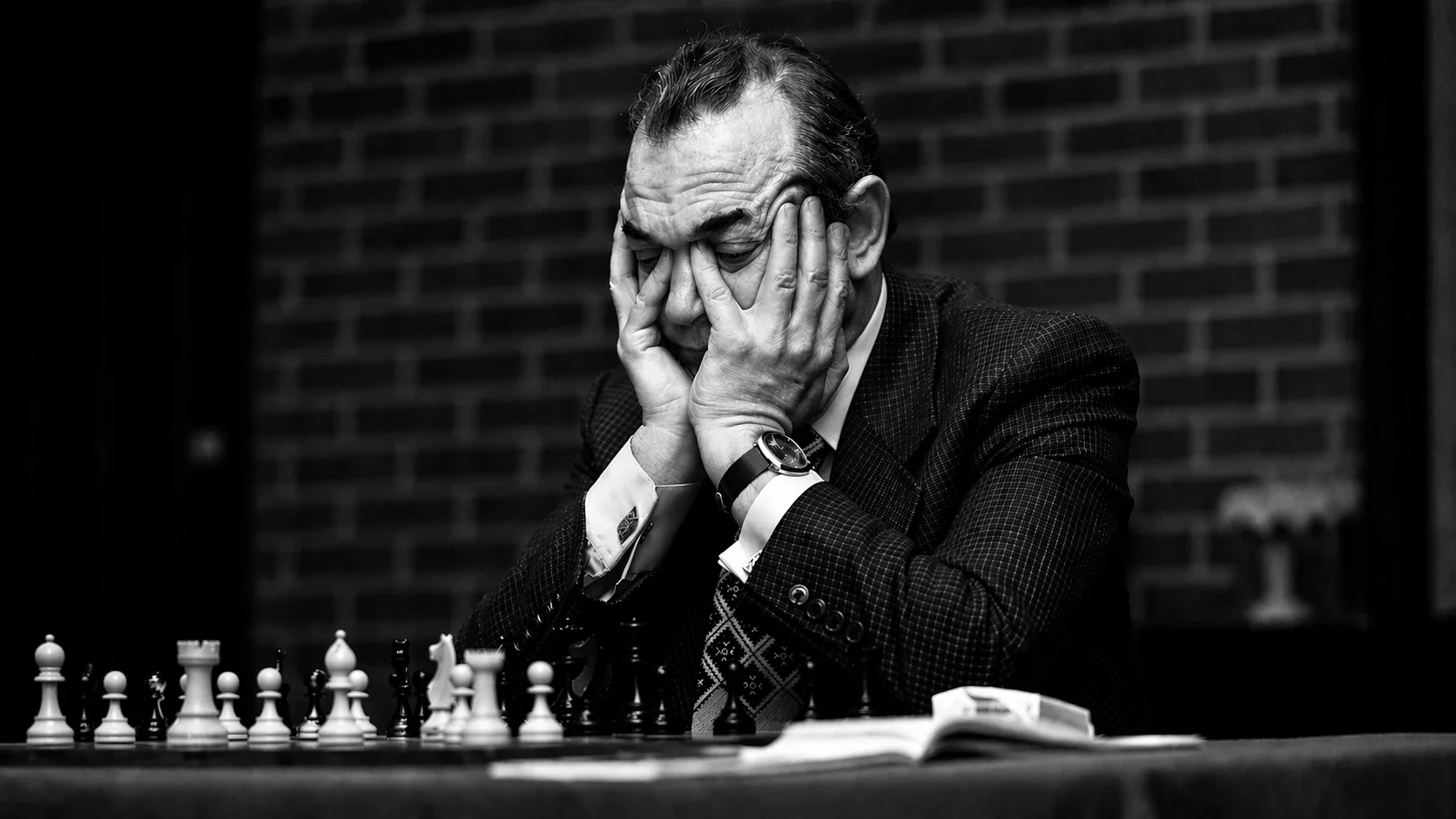
How the Early Soviet State Turned Chess Into a Tool
A look inside the origins of Soviet chess culture. These articles trace how early USSR institutions and political leaders transformed chess into a tool for education, discipline, and national development, setting the foundation for decades of dominance in world chess.
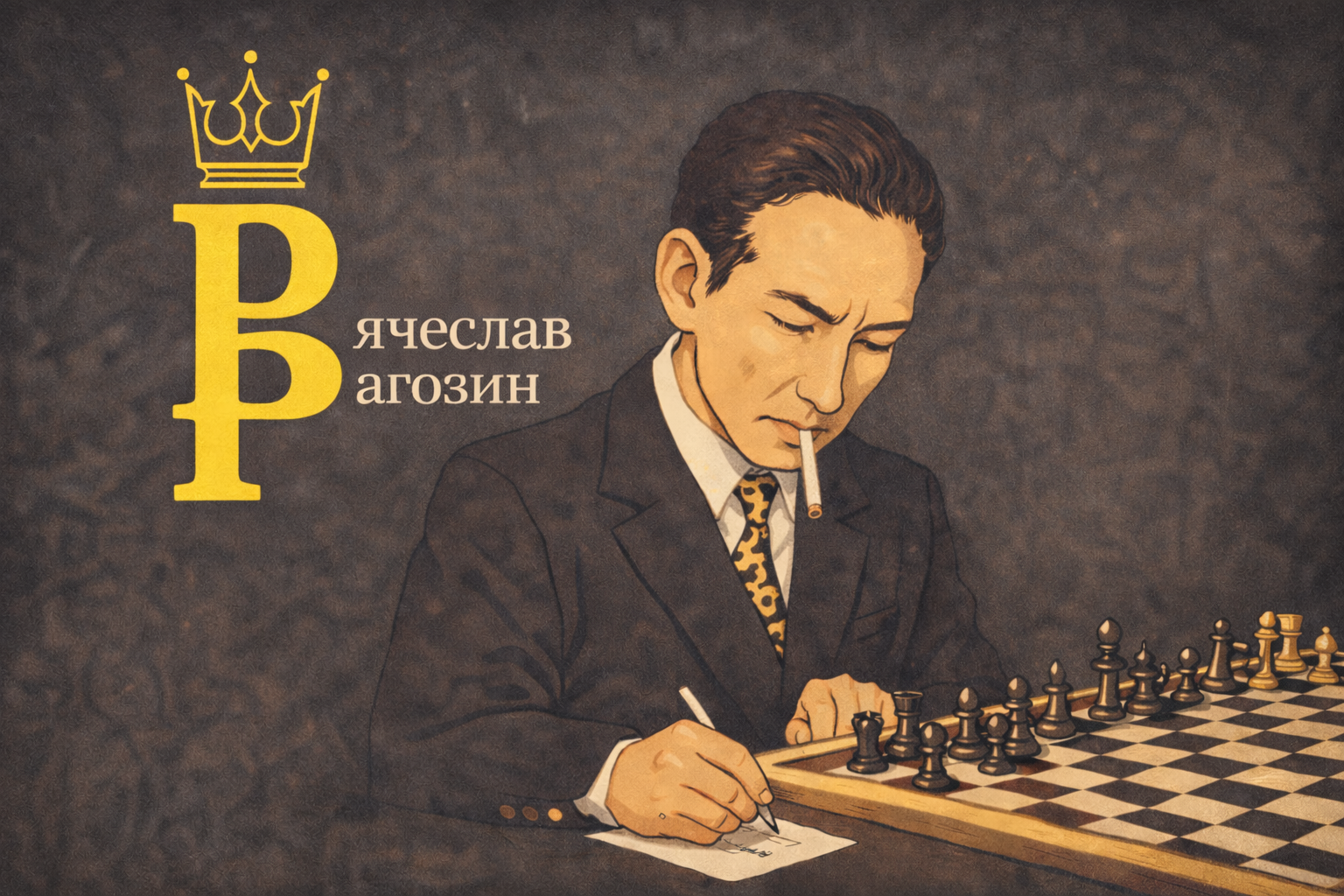
Vyacheslav Ragozin (Вячеслав Рагозин)
Vyacheslav Ragozin was a central figure in Soviet chess. A master and theoretician in the 1930s and 40s, he later won the inaugural world correspondence championship and worked closely with Mikhail Botvinnik as a trusted second. Ragozin’s name lives on in the Ragozin Defense (1 d4 Nf6 2 c4 e6 3 Nc3 Bb4), but his contributions were broader: he edited chess periodicals, composed endgame studies, and helped organize and arbitrate events. His varied roles strengthened the institutional fabric of Soviet chess and influenced opening theory for generations.