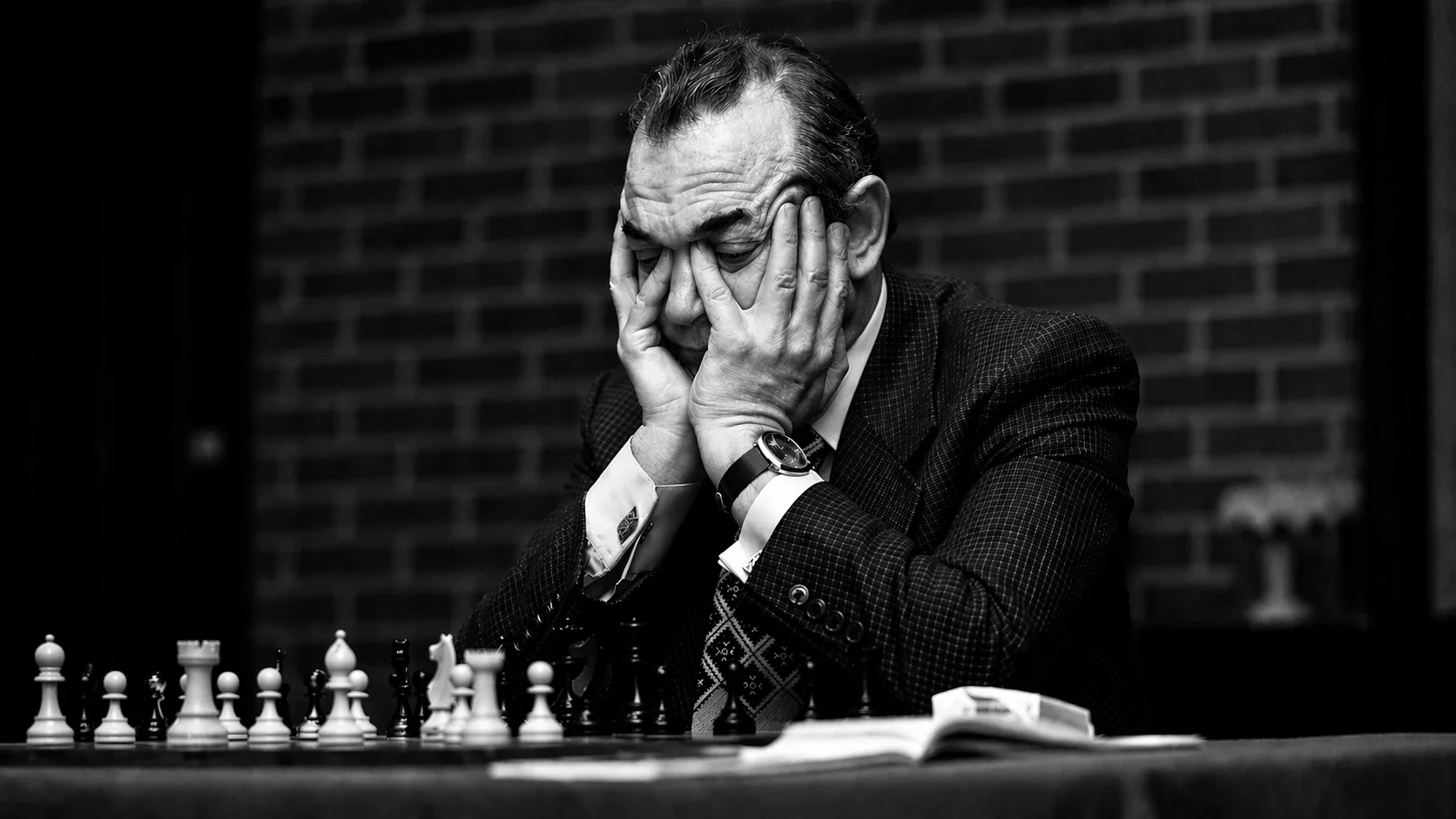
How the Early Soviet State Turned Chess Into a Tool
A look inside the origins of Soviet chess culture. These articles trace how early USSR institutions and political leaders transformed chess into a tool for education, discipline, and national development, setting the foundation for decades of dominance in world chess.
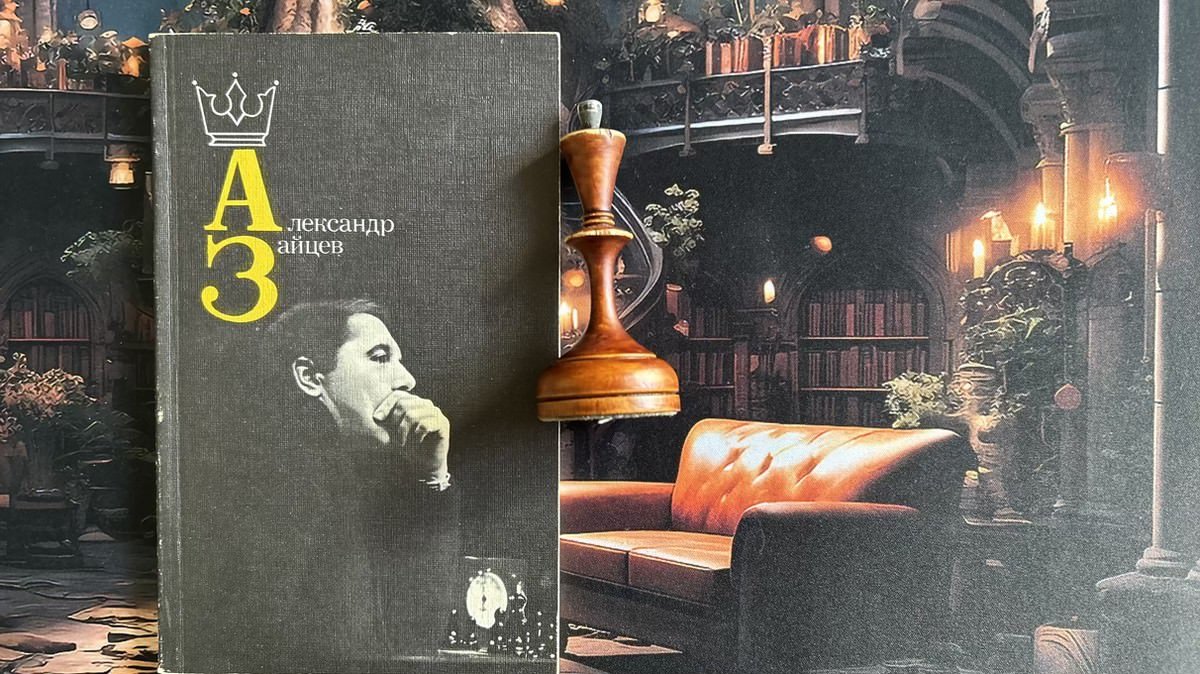
Alexander Zaitsev (Александр Зайцев)
Born in Vladivostok in 1935, Alexander Zaitsev taught himself chess at 14 and studied for up to 14 hours a day, rapidly progressing from novice to first‑category strength. He forged his talent in isolation, winning regional titles and the combined Siberia–Far East zonal tournament in 1958. The Soviet press admired his creative, non‑routine style; Mikhail Tal said Zaitsev’s games were always interesting and far from clichés. Under coach Vakhtang Karseladze, he refined his talent and tied for first at the 1967 Chigorin Memorial in Sochi, earning the FIDE grandmaster title – the first from the Soviet Far East and from Asia. In 1969, he shared first place in the USSR Championship with Lev Polugaevsky. Tragically, chronic leg pain led to a risky surgery in 1971, and he died from complications at age 36. Despite leaving relatively few games, his sparkling combinations and original ideas made him an insider’s genius.