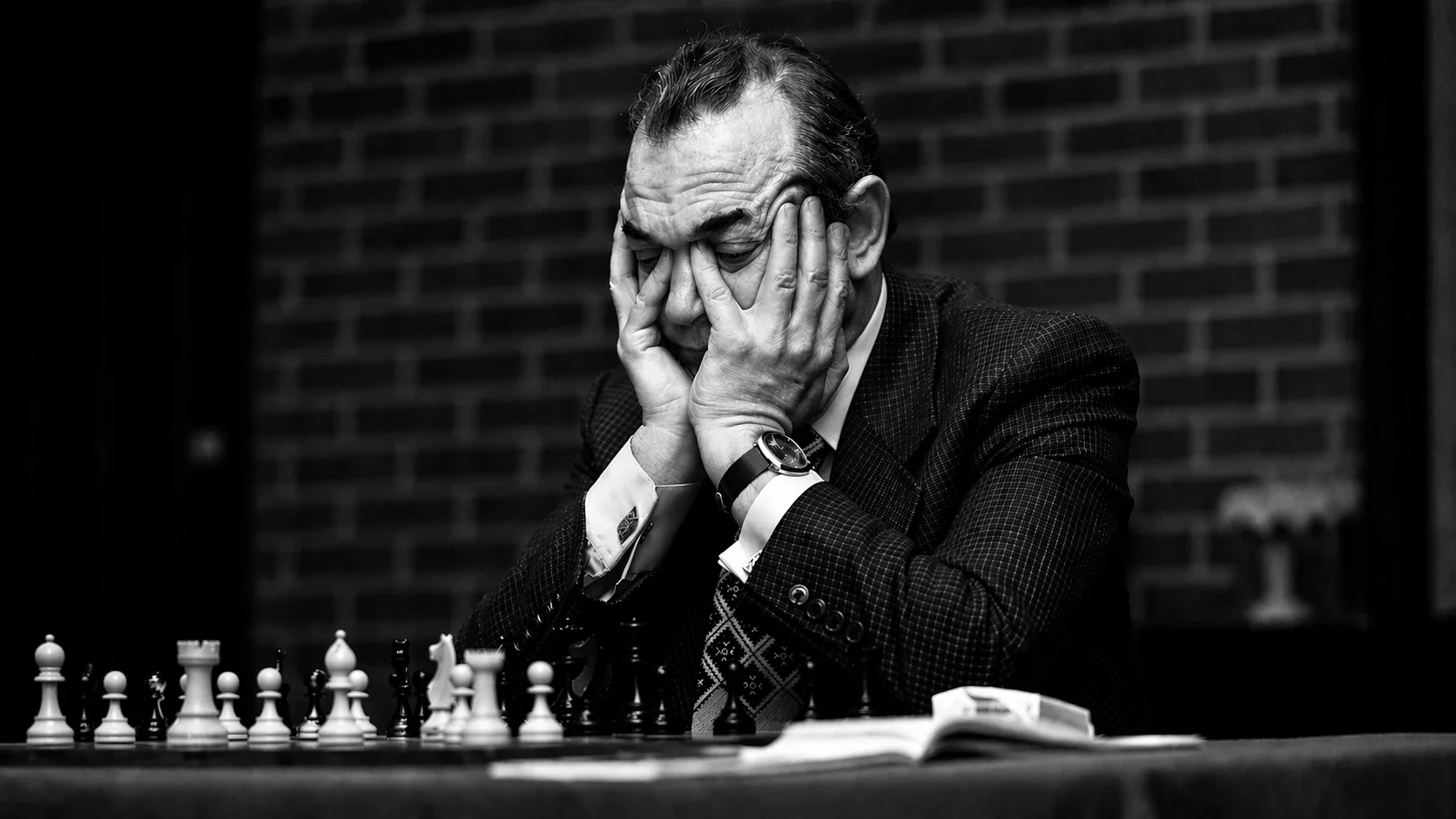
How the Early Soviet State Turned Chess Into a Tool
A look inside the origins of Soviet chess culture. These articles trace how early USSR institutions and political leaders transformed chess into a tool for education, discipline, and national development, setting the foundation for decades of dominance in world chess.
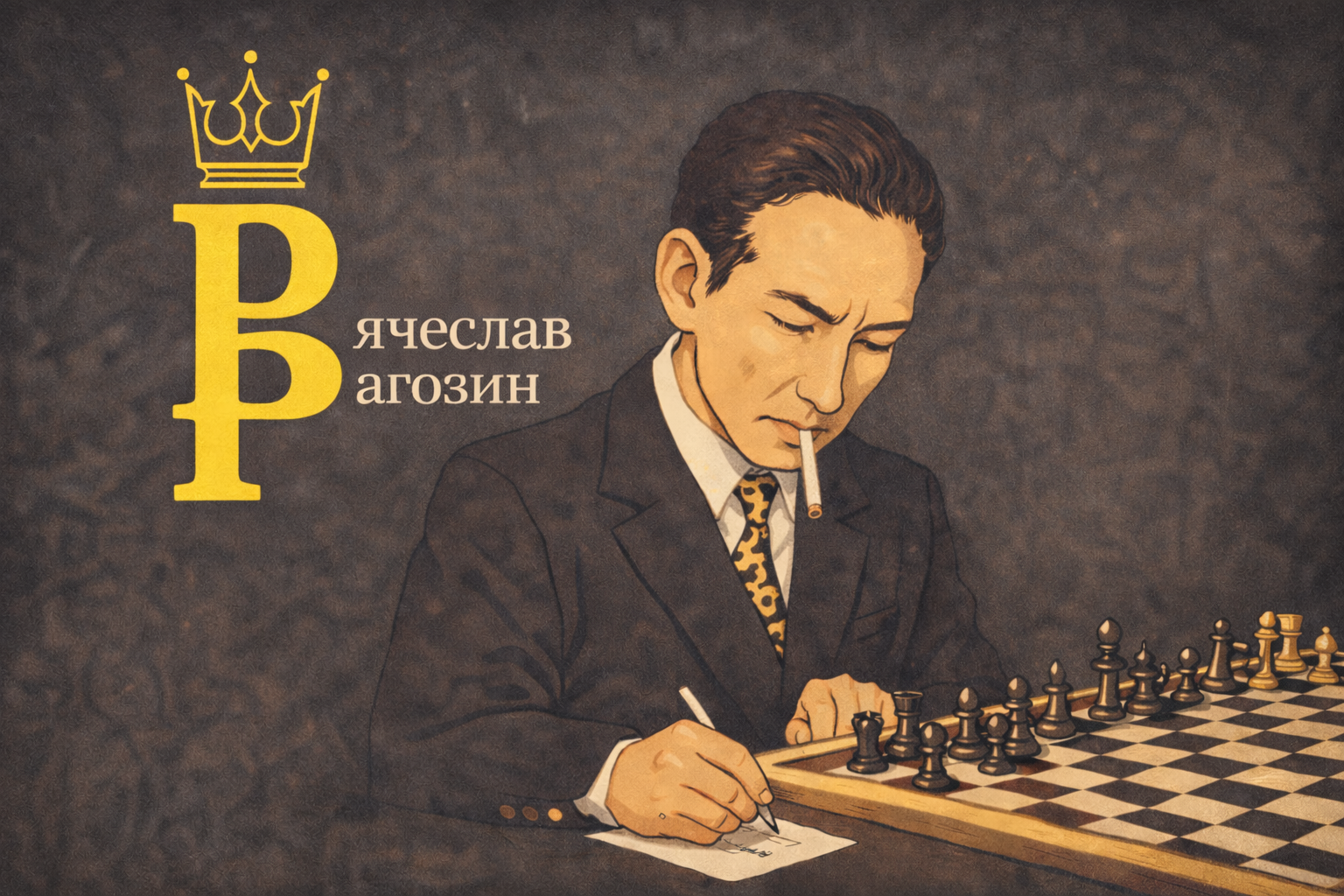
Vyacheslav Ragozin (Вячеслав Рагозин)
Vyacheslav Ragozin was a central figure in Soviet chess. A master and theoretician in the 1930s and 40s, he later won the inaugural world correspondence championship and worked closely with Mikhail Botvinnik as a trusted second. Ragozin’s name lives on in the Ragozin Defense (1 d4 Nf6 2 c4 e6 3 Nc3 Bb4), but his contributions were broader: he edited chess periodicals, composed endgame studies, and helped organize and arbitrate events. His varied roles strengthened the institutional fabric of Soviet chess and influenced opening theory for generations.
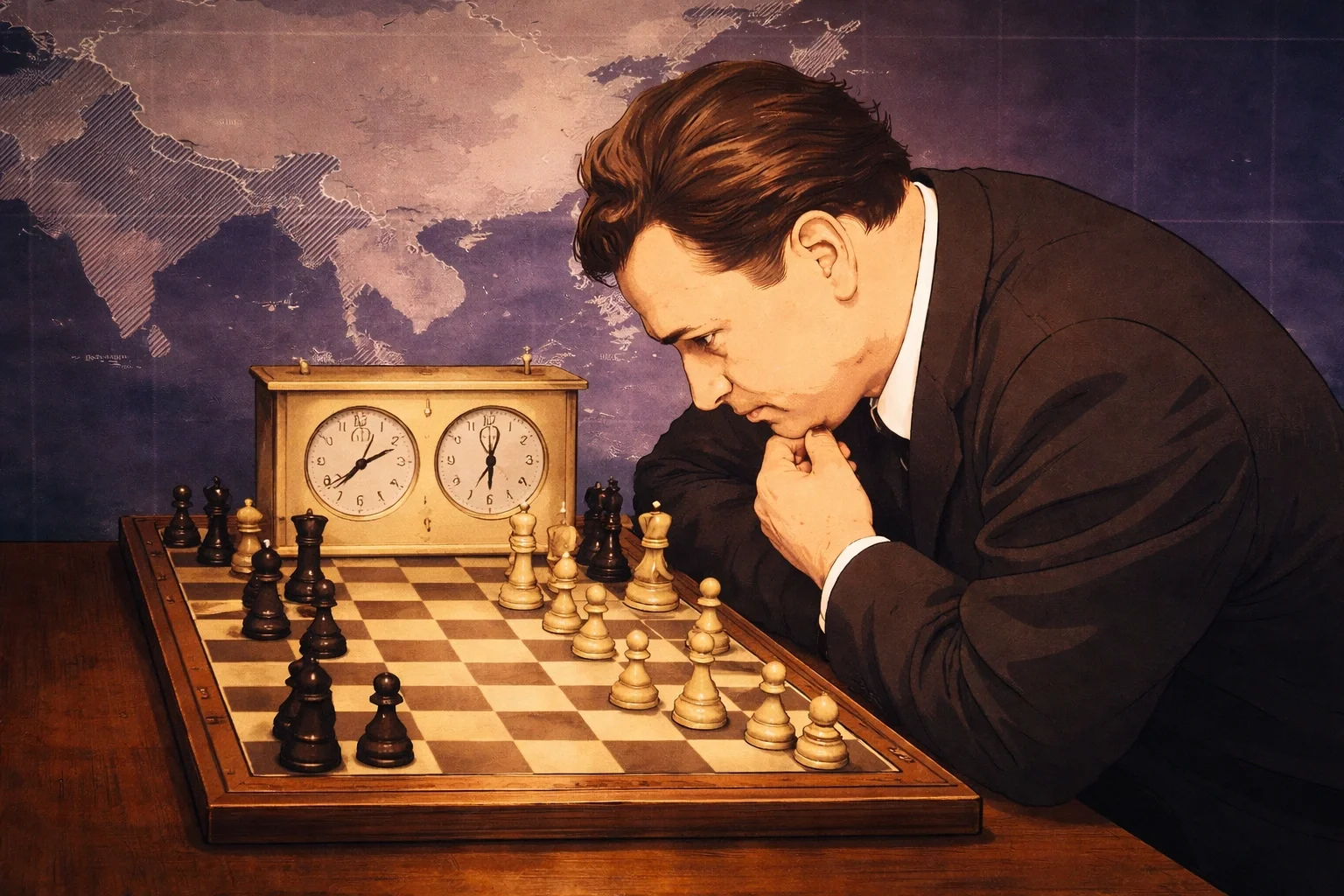
Ratmir Kholmov
Nicknamed “The Grandmaster in the Shadows,” Ratmir Kholmov emerged from a turbulent childhood—his father was arrested, and he grew up in labor colonies—yet he taught himself chess and rose to the Soviet elite. A consistent presence in USSR championship finals, he shared first place in the 1963 national championship and scored victories over stars like Tal, Korchnoi, and Spassky. Known for his sturdy defense and tactical originality, Kholmov remained near the top for decades despite political restrictions and limited foreign travel. His story shows how deep the Soviet talent pool was and why some brilliant players remained largely unknown.
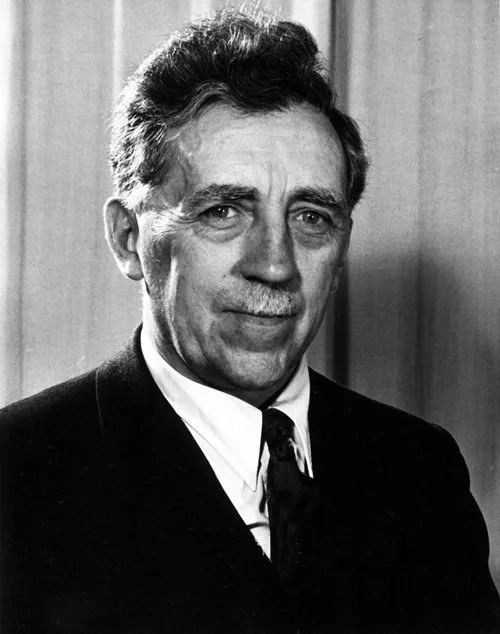
Fedir Bohatyrchuk
Fedir Bohatyrchuk shared first place with Peter Romanovsky in the 1927 USSR Championship, then largely disappeared from Soviet narratives. A radiologist by profession and a strong positional player, he studied medicine in Kiev and combined a scientific approach with over‑the‑board success. His lifetime score against Mikhail Botvinnik was an astonishing three wins and two draws with no losses. After conflicts with Soviet authorities, he emigrated to Canada, where he taught radiological anatomy and represented the Canadian team at the 1954 Olympiad. The Soviet press subsequently erased his achievements, making his story a poignant example of how politics shaped chess memory.
Gregory Kaidanov
Gregory Kaidanov grew up in Berdychiv, Ukraine, and Kaliningrad, where he learned chess from his father at age six and quickly fell in love with the game. By age eight, he joined the Pioneers’ House chess club, progressed rapidly through Soviet ranks, and overcame early setbacks thanks to a resilient passion for the game. His steady results in Soviet tournaments earned him the Master of Sport title, the International Master title in 1987, and the grandmaster title in 1988. Following the collapse of the Soviet Union, he emigrated to the United States in 1991, winning major tournaments such as the U.S. Open and World Open, representing his new country in Olympiads, and becoming a leading instructor based in Lexington, Kentucky. Today, Kaidanov bridges Soviet training discipline and American openness, blending clear instruction and patient mentorship to inspire generations of students.

Vasily Panov
Vasily Panov (1906–1973) combined practical playing strength with deep theoretical insight. He joined Moscow’s elite by the late 1920s, winning the 1929 city championship and later the 1950 International Master title. His autobiographical book Forty Years at the Chessboard underscored his stature in mid‑century Soviet chess. Panov enriched opening theory with the attacking setup against the Caro–Kann, known as the Panov–Botvinnik Attack, and made contributions to the Sicilian, Ruy Lopez, Alekhine, and Benoni defenses. As a journalist and author, he produced widely used texts such as Chess for Beginners, Course of Openings, and monographs on Alekhine, Capablanca, and Chigorin; these works shaped generations of Soviet players, including a young Anatoly Karpov.
Alexander Zaitsev
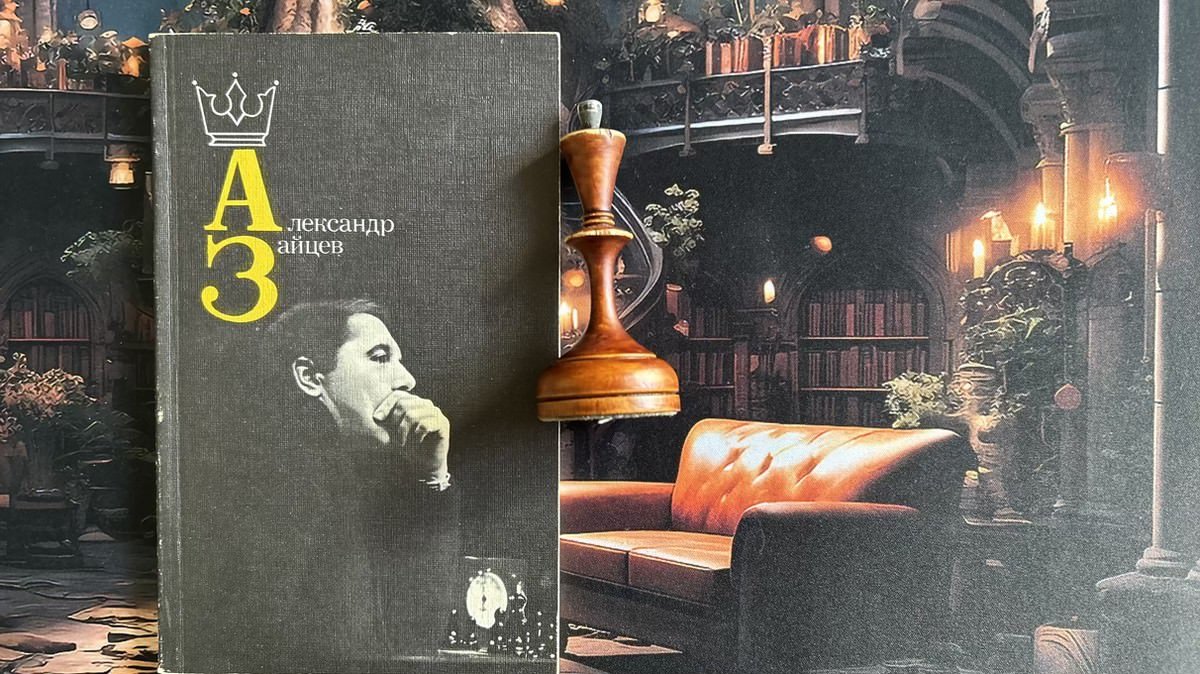
Born in Vladivostok in 1935, Alexander Zaitsev taught himself chess at 14 and studied for up to 14 hours a day, rapidly progressing from novice to first‑category strength. He forged his talent in isolation, winning regional titles and the combined Siberia–Far East zonal tournament in 1958. The Soviet press admired his creative, non‑routine style; Mikhail Tal said Zaitsev’s games were always interesting and far from clichés. Under coach Vakhtang Karseladze, he refined his talent and tied for first at the 1967 Chigorin Memorial in Sochi, earning the FIDE grandmaster title – the first from the Soviet Far East and from Asia. In 1969, he shared first place in the USSR Championship with Lev Polugaevsky. Tragically, chronic leg pain led to a risky surgery in 1971, and he died from complications at age 36. Despite leaving relatively few games, his sparkling combinations and original ideas made him an insider’s genius.
Grigory Levenfish (Григорий Левенфиш)
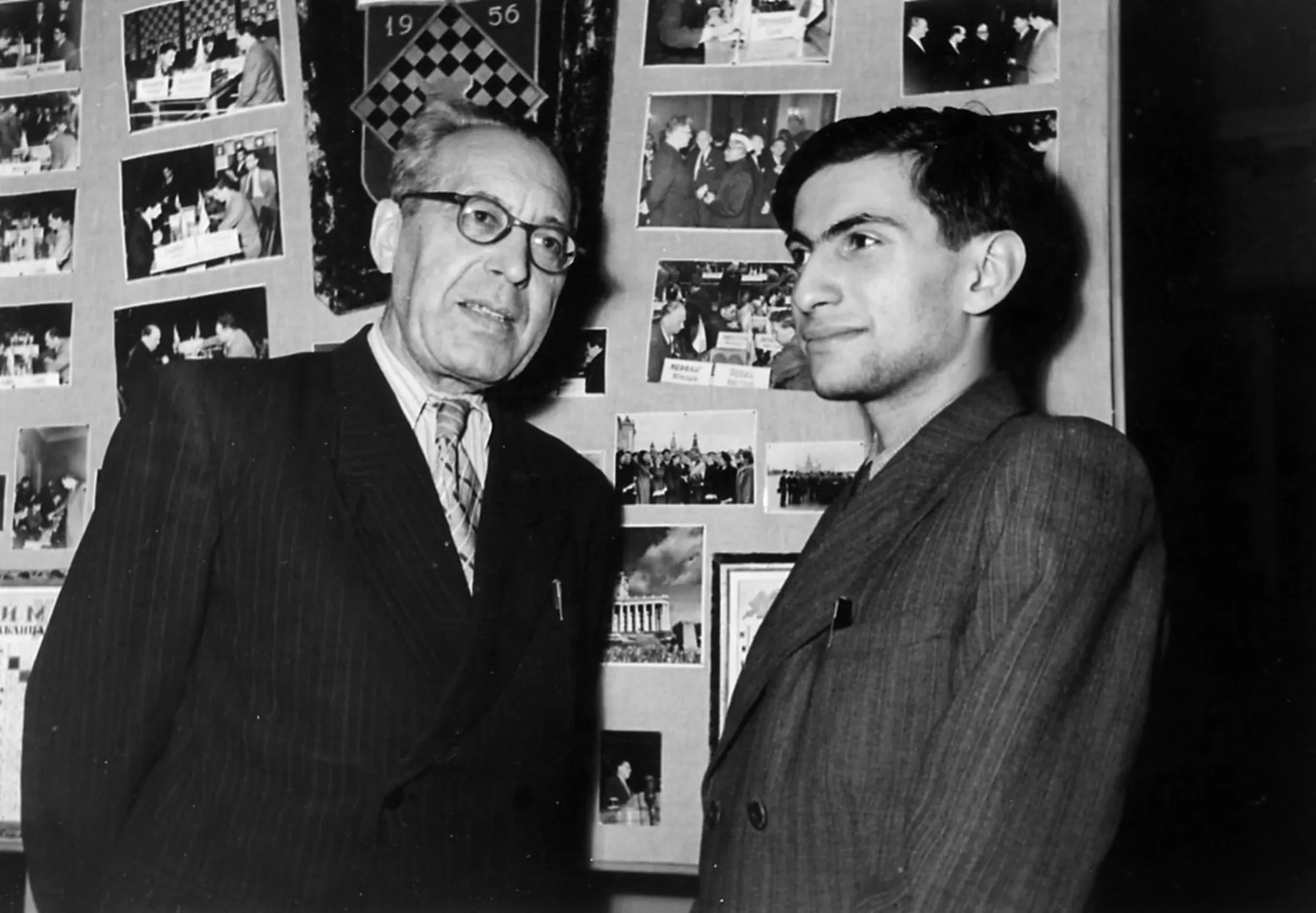
Grigory Levenfish (1889–1961) was a brilliant early master who learned chess in St Petersburg and by age twenty had won the city championship and competed at Carlsbad 1911. After World War I, he re‑emerged to win the Leningrad championships of 1922, 1924, and 1925, carrying the torch for the pre‑Revolution generation. His finest years came in the mid‑1930s: he tied for first in the 1934 Soviet Championship and then won the 10th championship outright in 1937. In a 1937 title match against the younger Mikhail Botvinnik, he took an early lead before eventually losing 6½–4½. Despite being ranked roughly world #9, he was denied a place at the 1938 AVRO tournament for political reasons. Levenfish later wrote that this exclusion felt like a “moral knock‑out,” and he gradually withdrew from top competition. His story is remembered for its mix of brilliance, resilience, and unjust neglect.
Efim Bogoljubow
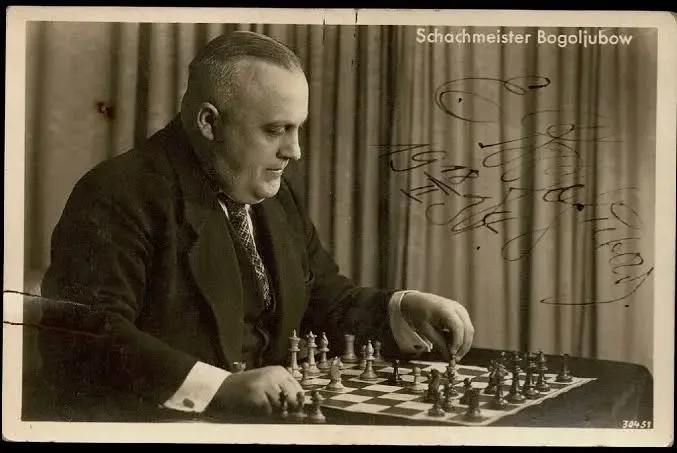
One of the most imaginative players of the early twentieth century, Efim Bogoljubov (Bogoljubow) represented both the Russian Empire/Soviet Union and Germany. His career pivoted at Mannheim 1914, where World War I broke out, and he and other Russian masters were interned; during this period, he honed his tactical vision through blindfold games with Alexander Alekhine and married a German schoolteacher. After the war, he settled in Germany and became a tournament star, winning Bad Pistyan in 1922 and then the Soviet championships of 1924 and 1925. In 1925, he won the Moscow International tournament ahead of former world champions Emanuel Lasker and José Raúl Capablanca and also captured the German championship, making him the only player ever to hold both titles simultaneously. Bogoljubov later became a German citizen and twice challenged Alekhine for the world championship (1929 and 1934) in matches celebrated for their fighting spirit. Though he never won the crown, he remained an active competitor and trainer, winning German events in the 1930s and coaching the national team; he faced discrimination under the Nazi regime and did not receive the grandmaster title until 1951. He died in Triberg in 1952, leaving behind dynamic games and a notable contribution to opening theory—most famously the Bogo‑Indian Defense.