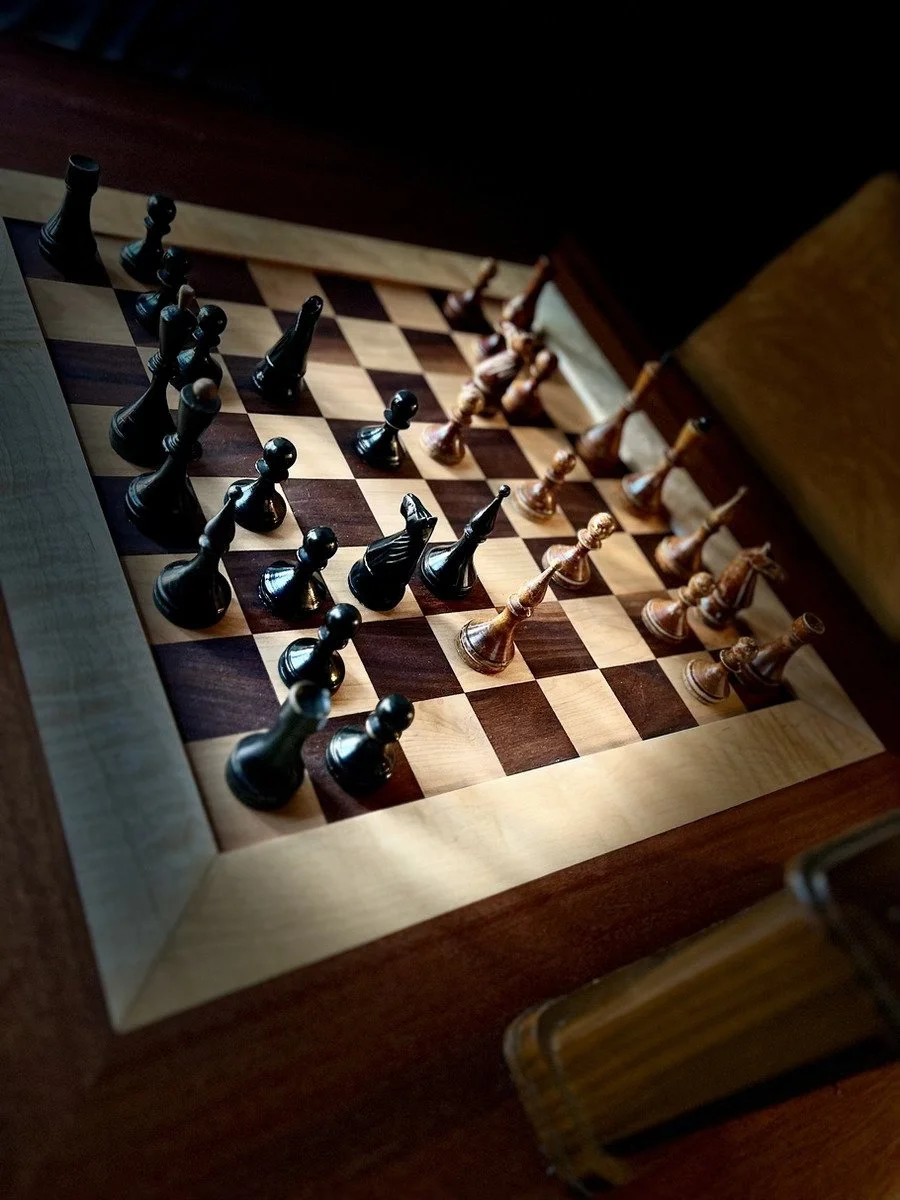
How the Early Soviet State Turned Chess Into a Tool
A look inside the origins of Soviet chess culture. These articles trace how early USSR institutions and political leaders transformed chess into a tool for education, discipline, and national development, setting the foundation for decades of dominance in world chess.
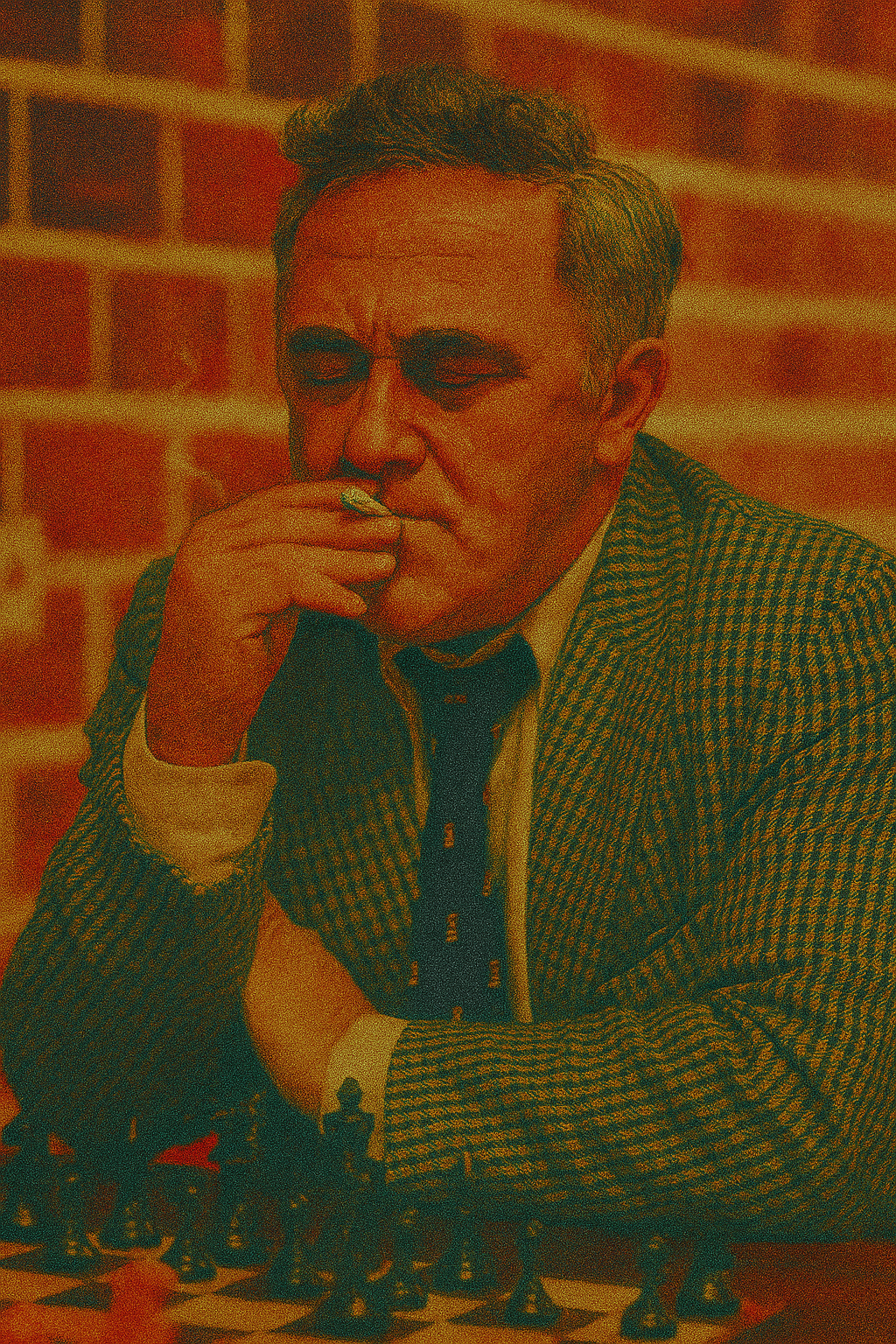
Efim Geller
This profile celebrates Efim Geller’s remarkable record: he twice won the Soviet championship, qualified for the Candidates six times and produced theoretical ideas that still shape modern openings. Along the way he defeated eight world champions in classical games.
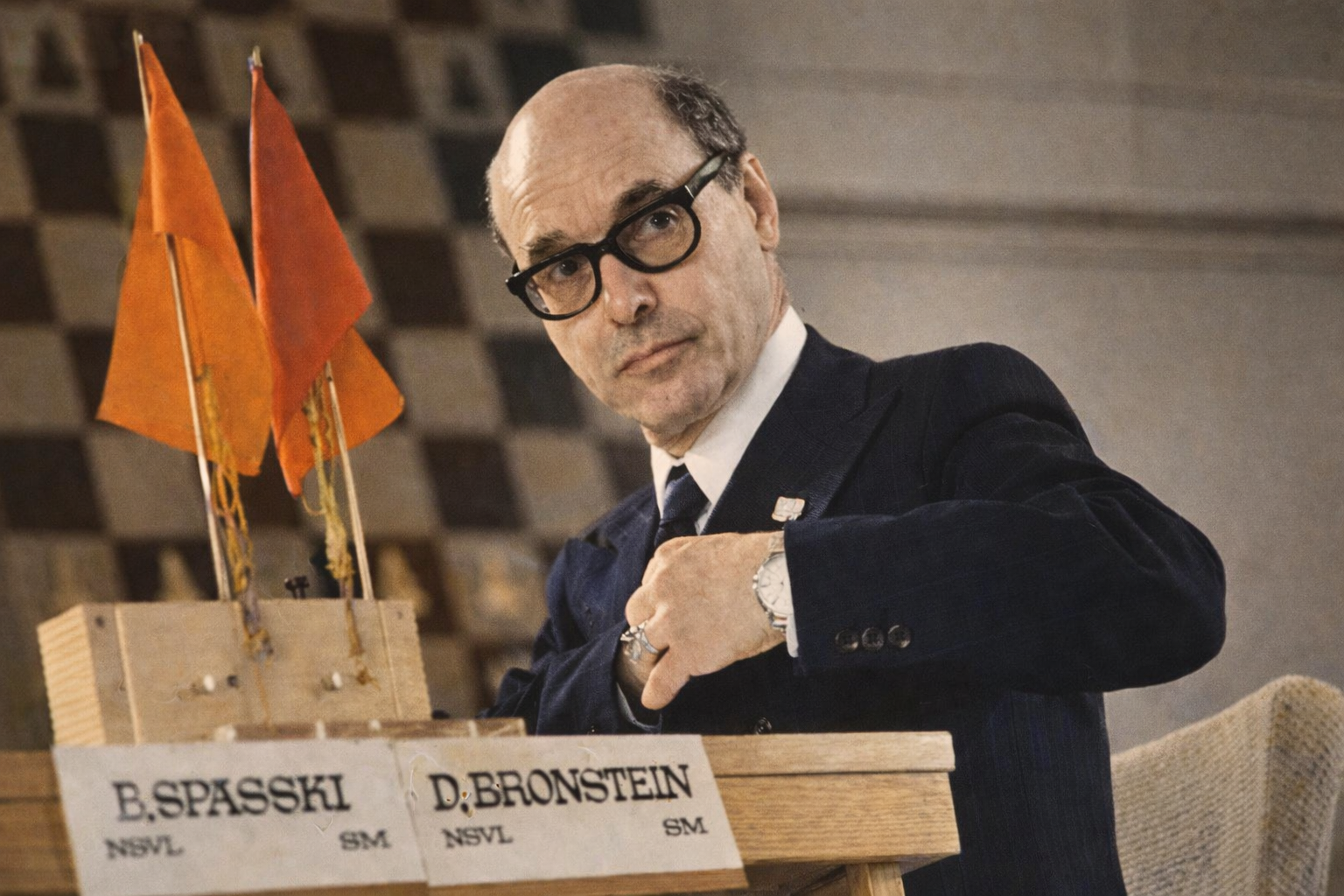
David Bronstein
David Bronstein was born on 19 February 1924 in Belaya Tserkov and grew up in Kyiv, where he learned chess at six and trained under master Konstantinopolsky. His early life was shaped by Stalin’s purges—his father spent seven years in the Gulag—which instilled resilience and independence. After World War II, Bronstein quickly became one of the Soviet Union’s brightest masters; he won the 1948 and 1949 USSR Championships and, after triumphing in the 1950 Candidates, challenged Mikhail Botvinnik for the world crown in a dramatic 1951 match that ended in a 12–12 tie. Famous for his creative, tactical style, he turned the once-doubted King’s Indian Defence into a feared weapon and introduced ideas such as the Bronstein–Larsen line in the Caro–Kann. His theoretical contributions extended to endgames and time-control rules: the “Bronstein delay” remains a standard feature of digital clocks. Alongside his innovations, Bronstein authored influential books—including Zurich 1953, The Sorcerer’s Apprentice and Bronstein on the King’s Indian—which convey his love of imaginative chess. A principled figure who sometimes defied Soviet authorities, he is remembered as perhaps the greatest player never to hold the world championship, yet his legacy endures through his games, writings, and the creative freedom he championed.
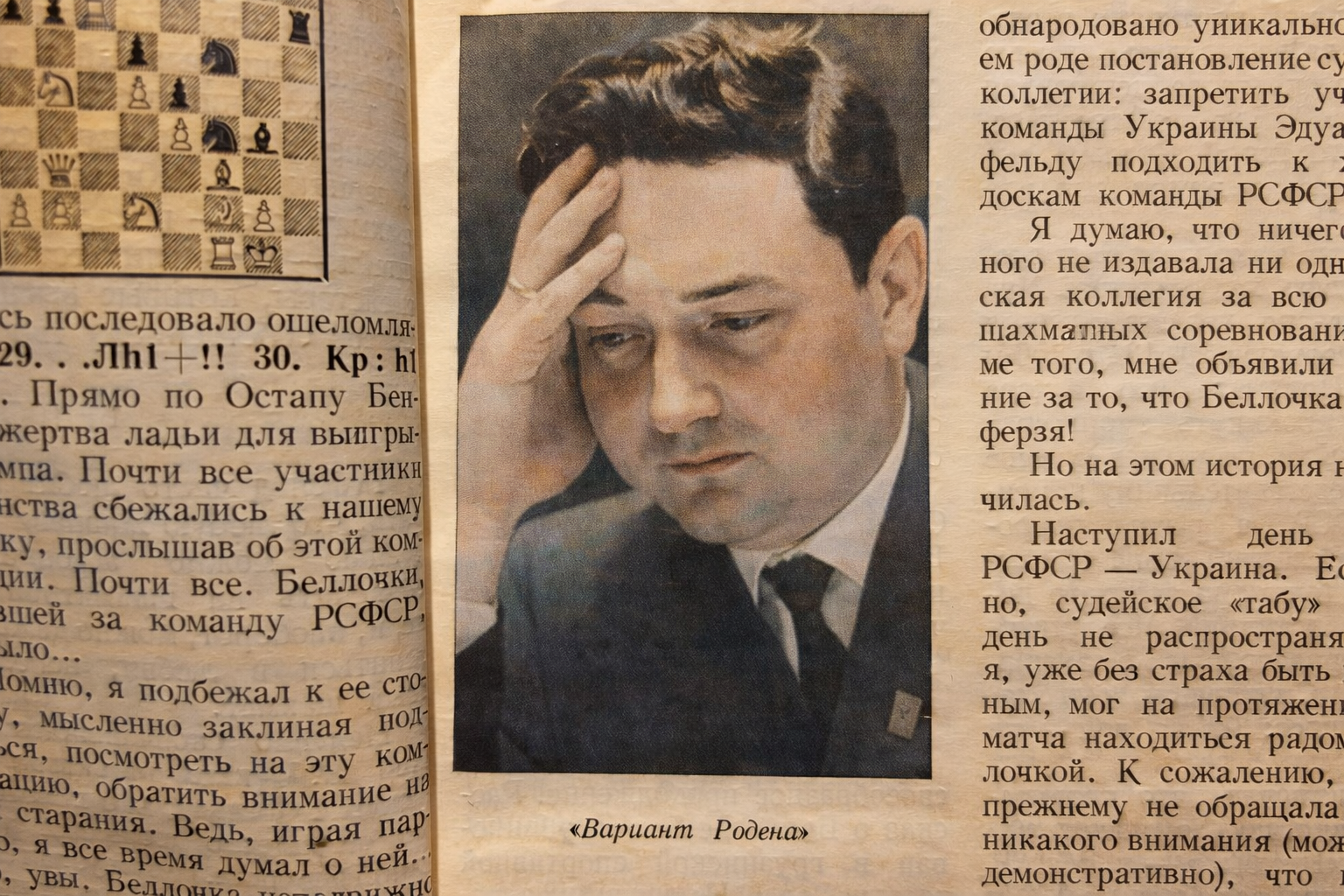
Eduard Gufeld
Eduard Gufeld is remembered here not only for his sharp King’s Indian attacks but also for his work as a coach, journalist, and ambassador of chess. The piece recounts his famous game against Bagirov, his love for the Dragon, and his mission to popularize chess as art.
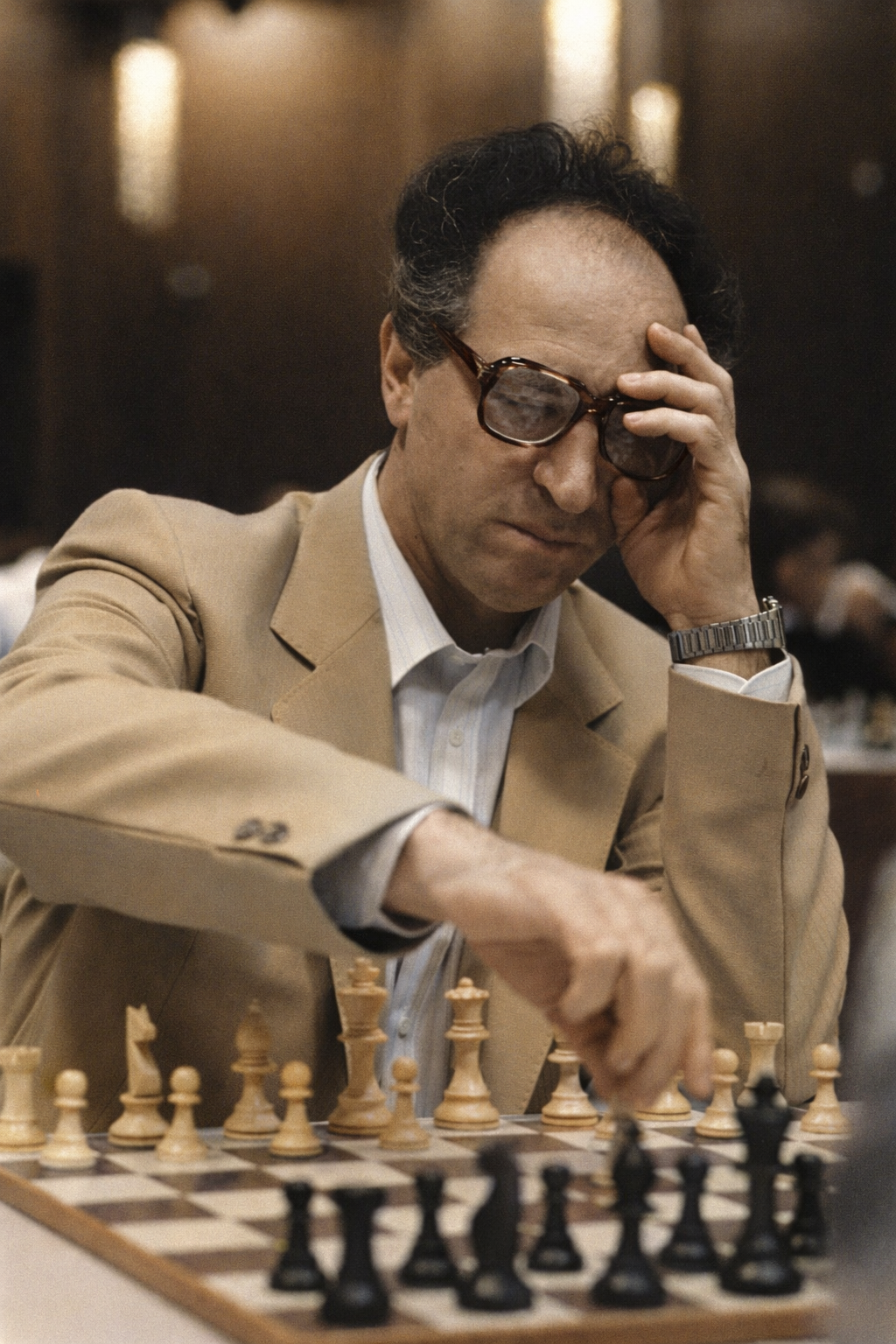
Lev Polugaevsky
This piece profiles Lev Polugaevsky as a player who married engineer‑like preparation with ferocious over‑the‑board play. It reviews his repeated appearances in world championship cycles and his lasting impact through the Polugaevsky Variation of the Najdorf.
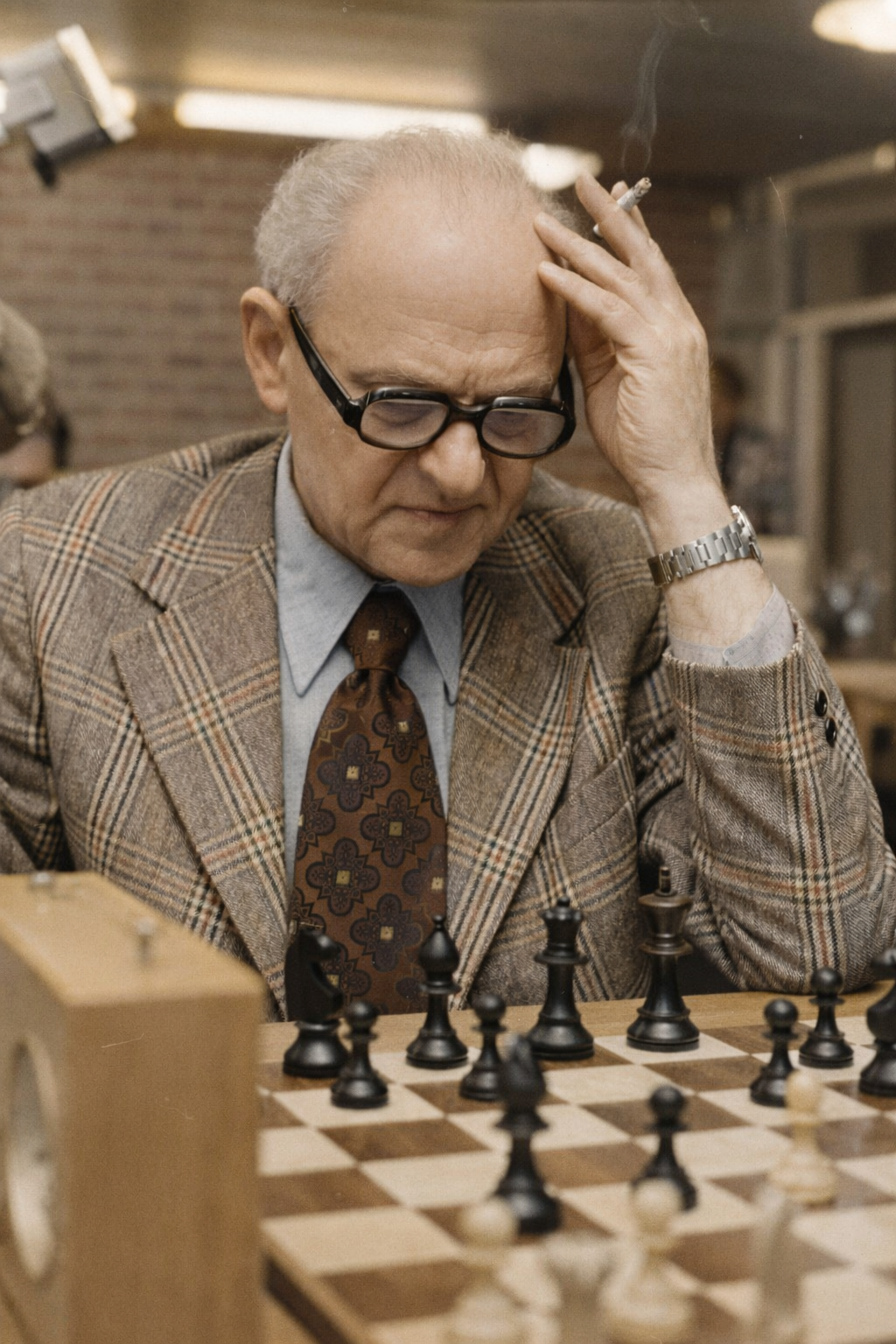
Semyon Furman and the Making of a World Champion
Semyon Furman’s career illustrates how a modest master became a key architect of world champions. This piece charts his own playing achievements and his crucial role as a mentor to Karpov, emphasizing his original analyses and his dedication to the Soviet team.
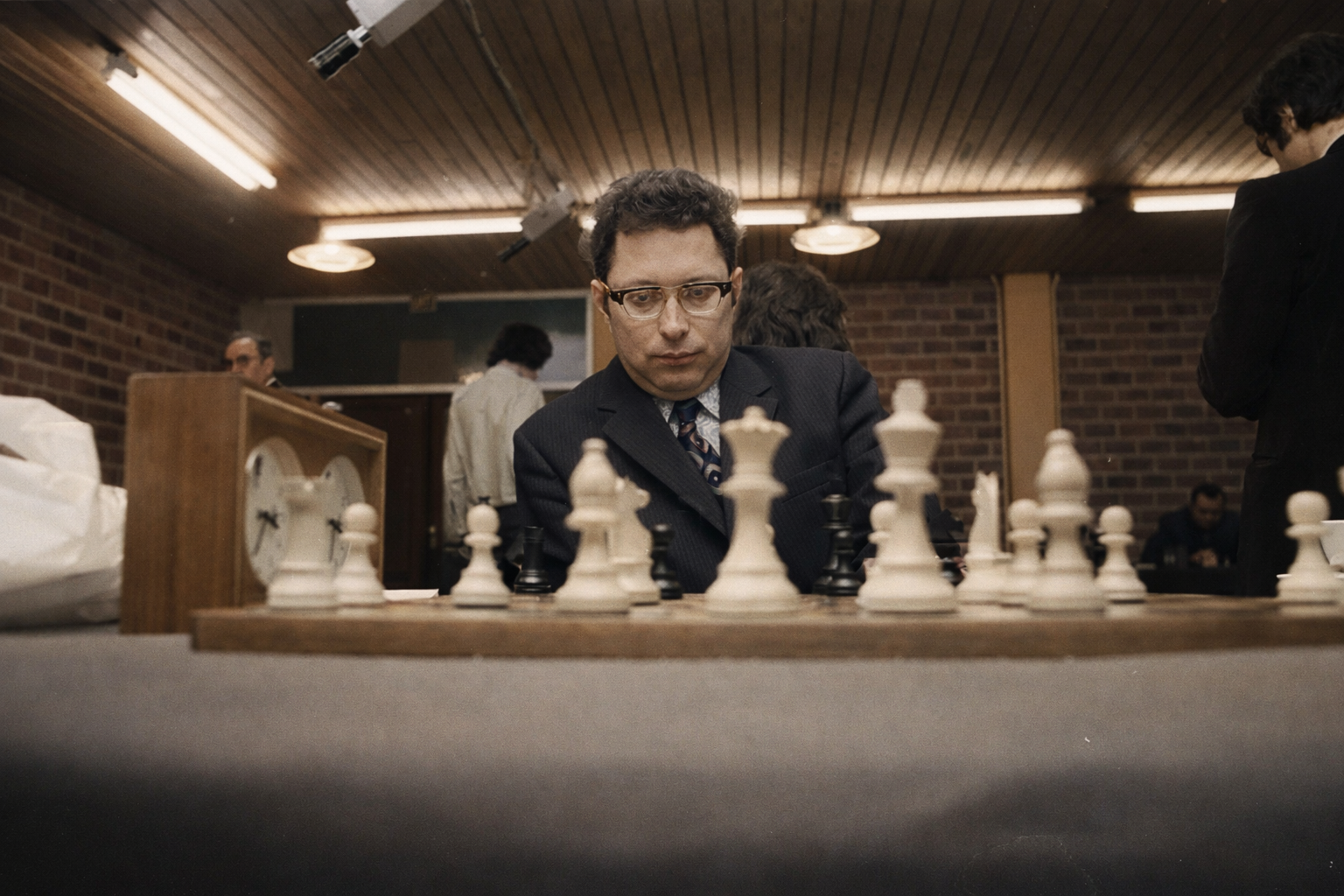
Evgeni Vasiukov
Evgeni Vasiukov is portrayed as a self‑made master whose attacking flair brought him major titles and international recognition. The article also notes his theoretical insights and his long service to Soviet chess as a trainer and analyst.

Alexander Nikitin
This article positions Alexander Nikitin as more than a second: he was a strategic thinker who helped shape world champions. Through his engineering background and analytical approach, he developed Kasparov and other talents while stressing the importance of preparation and structure.
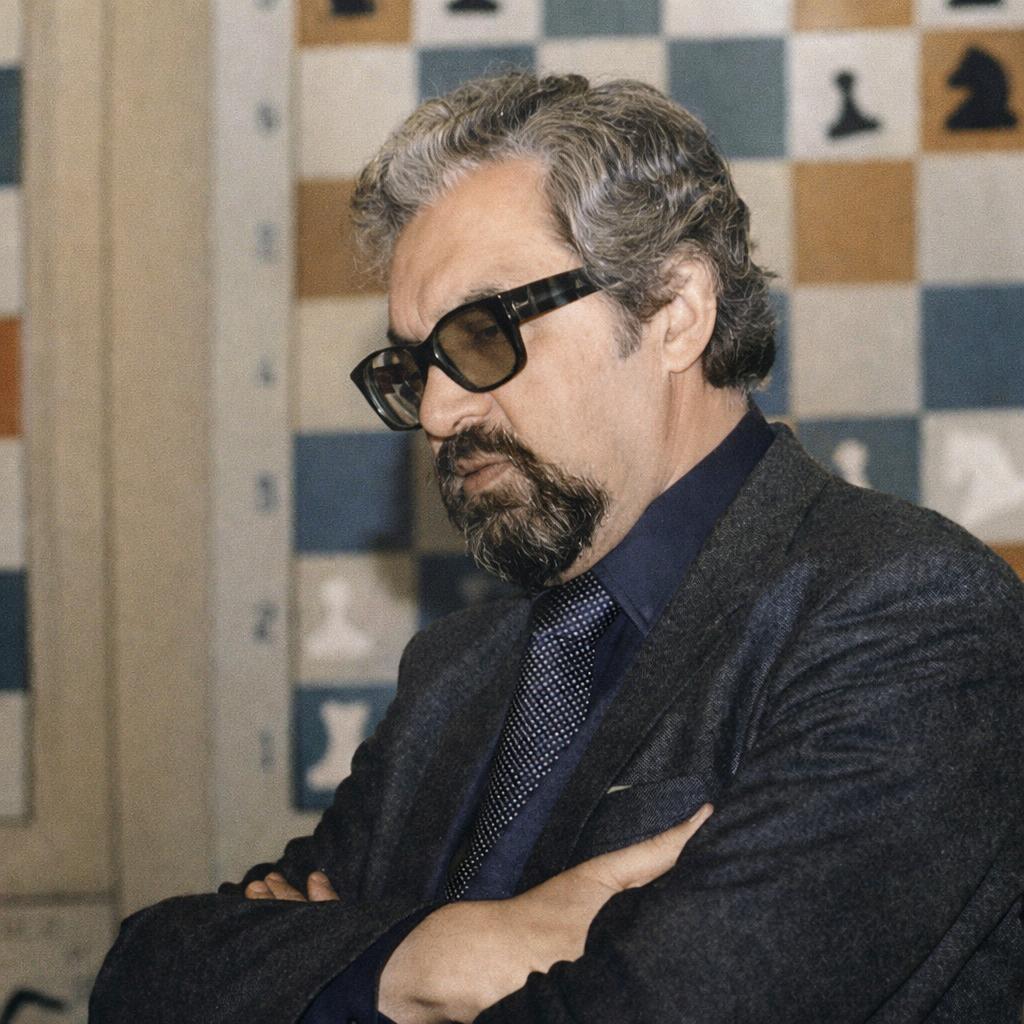
Vladimir Bagirov
Vladimir Bagirov may not have been a household name, but his deep tournament runs and meticulous opening work made him indispensable to Soviet chess. The piece underscores his roles as a player, second and theoretician, illustrating the depth of Soviet professional chess.
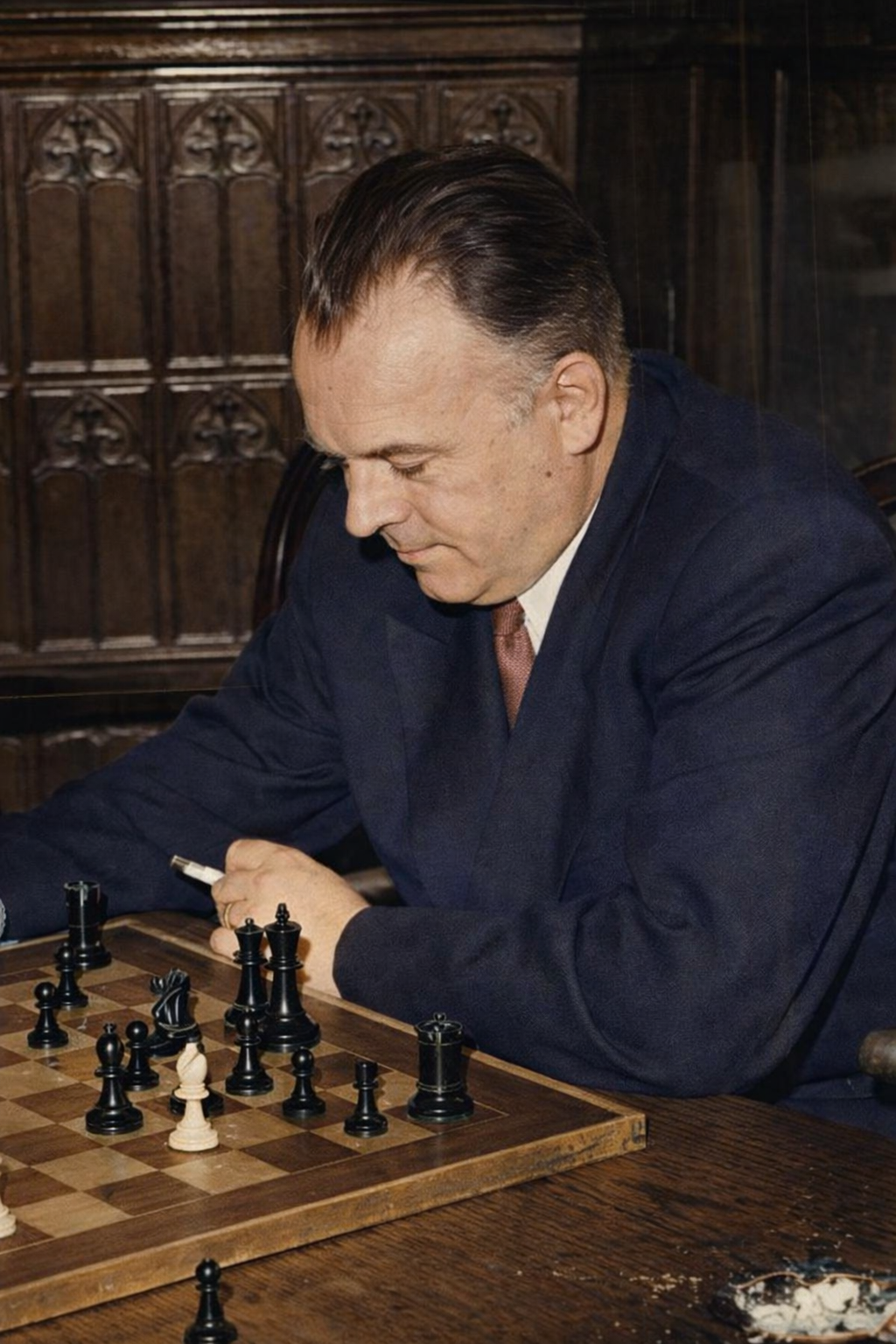
Alexander Tolush
Alexander Tolush was a creative force in Leningrad chess: an aggressive player, a prolific journalist, and the mentor who guided a young Spassky. The article relives his greatest games and his influence on Soviet chess culture.
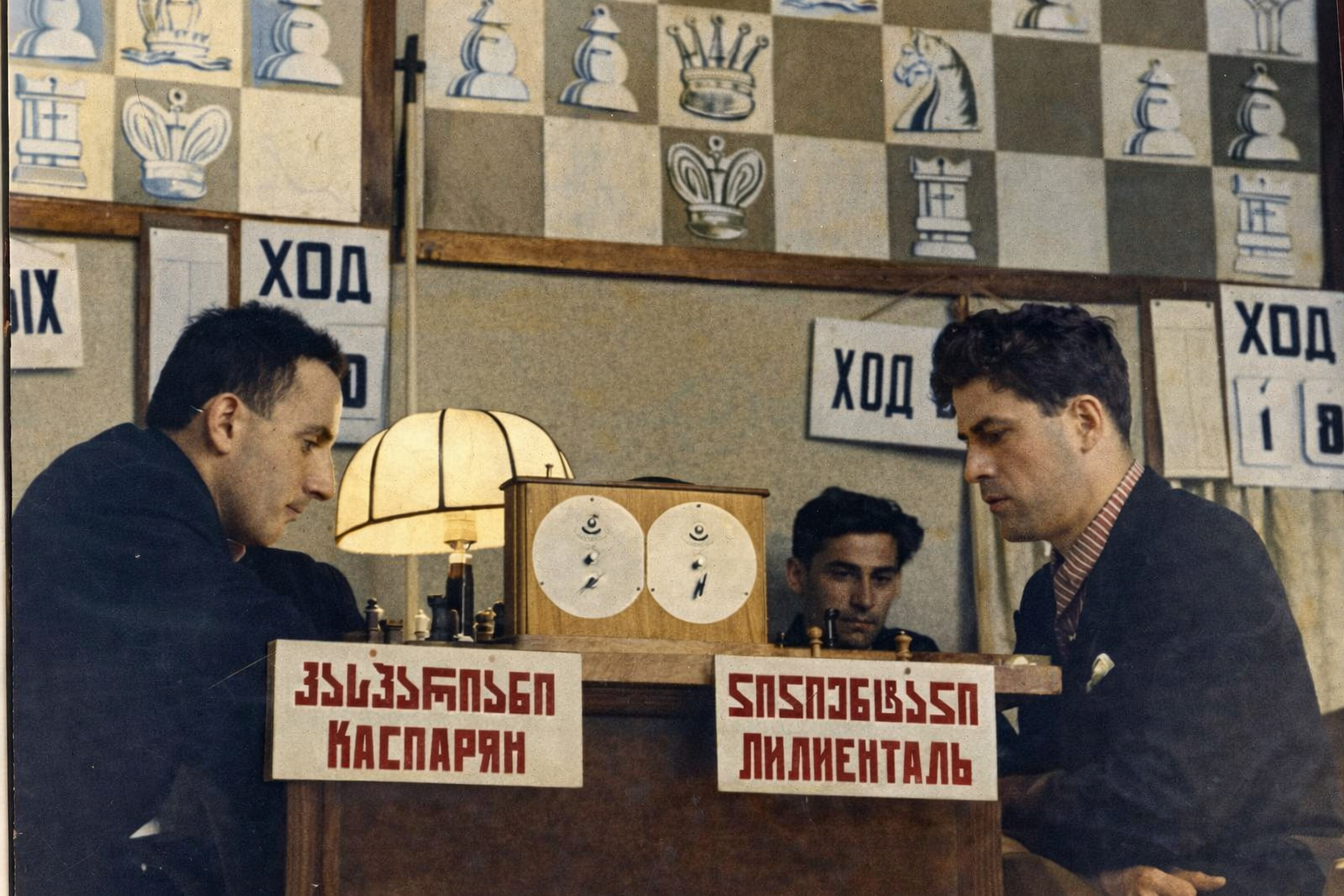
Genrikh Kasparyan
Genrikh Kasparyan forged a remarkable chess career from Tiflis to Yerevan, becoming Armenia’s first Soviet master and an acclaimed composer of endgame studies. This piece highlights his playing achievements and his lasting influence on endgame artistry.